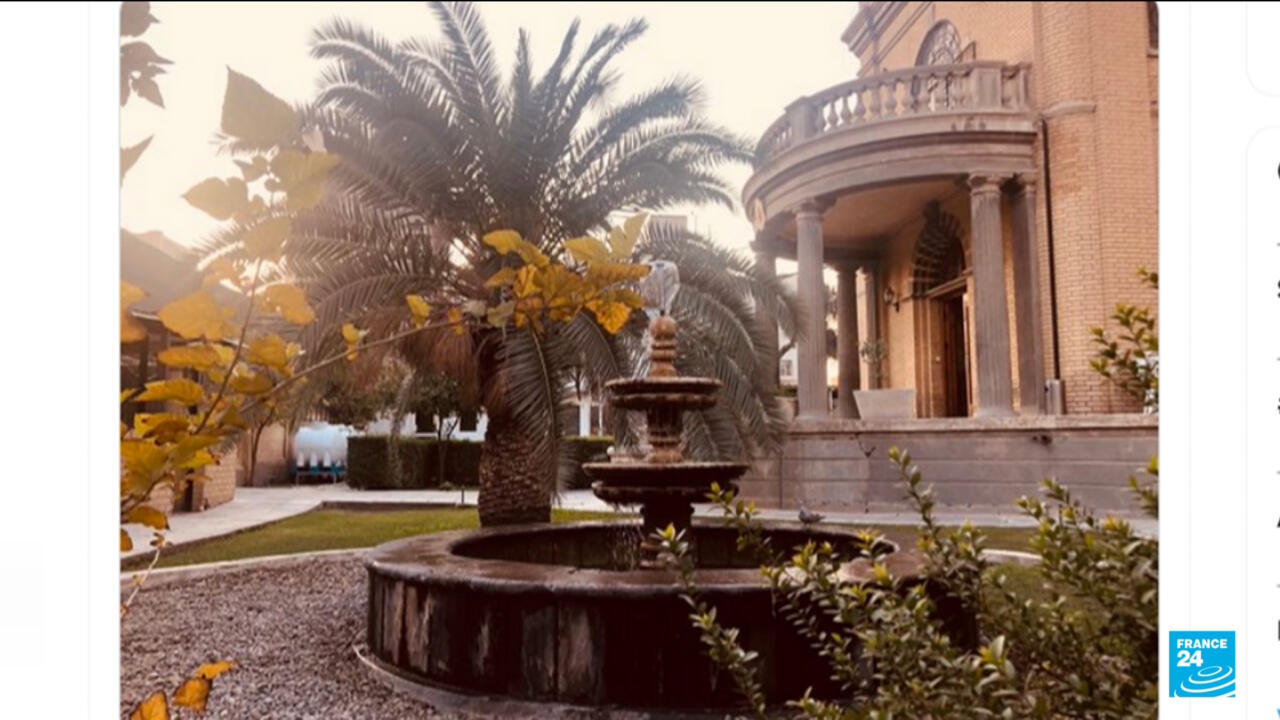
A Jewish family initiated legal proceedings against the French government in a dispute concerning the ownership and compensation for a property in Baghdad currently housing the French embassy. The family asserts that the property was unlawfully seized alongside other assets belonging to Iraqi Jews during the 1950s, demanding restitution or adequate rent payment for its continued use. This legal challenge brings an obscure historical asset dispute into the realm of contemporary international diplomacy.
France's primary defense rests on jurisdictional grounds, arguing that the matter pertains to Iraqi property law and must be adjudicated solely within Iraqi judicial structures. This position places the plaintiffs in a difficult position, as the family reportedly cannot safely travel to or engage with the Iraqi legal system due to extant prohibitions against Jewish presence in the country.
According to reports detailing the case, the property seizure occurred during a period of significant political upheaval in Iraq, which saw widespread nationalization and expropriation of assets, particularly those belonging to minority communities. The family is seeking to establish that the initial seizure violated international norms governing diplomatic property acquisition or was otherwise invalid under subsequent legal frameworks.
This case represents a notable instance where historical claims over property, often dormant for decades, are being resurrected through international courts or legal mechanisms outside the original jurisdiction. Such actions often test the limits of diplomatic immunity and the application of property rights across shifting political regimes.
If the plaintiffs succeed in establishing jurisdiction in the French courts, it could set a precedent for other diaspora communities seeking redress for assets confiscated during similar post-colonial or regime-change eras across the Middle East and North Africa. The implications extend beyond mere financial compensation to questions of historical accountability.
The French government’s reliance on Iraqi law highlights the diplomatic sensitivity of maintaining embassy premises, which are often protected under the Vienna Convention on Diplomatic Relations. Any ruling against France could complicate its operational status in Baghdad or necessitate complex bilateral negotiations with the Iraqi government regarding the status of the land.
What follows will likely involve significant legal maneuvering over the definition of sovereign immunity versus claims related to pre-existing property rights held before the current diplomatic lease or occupation began. The outcome will be closely watched by legal scholars specializing in international property law and sovereign claims.