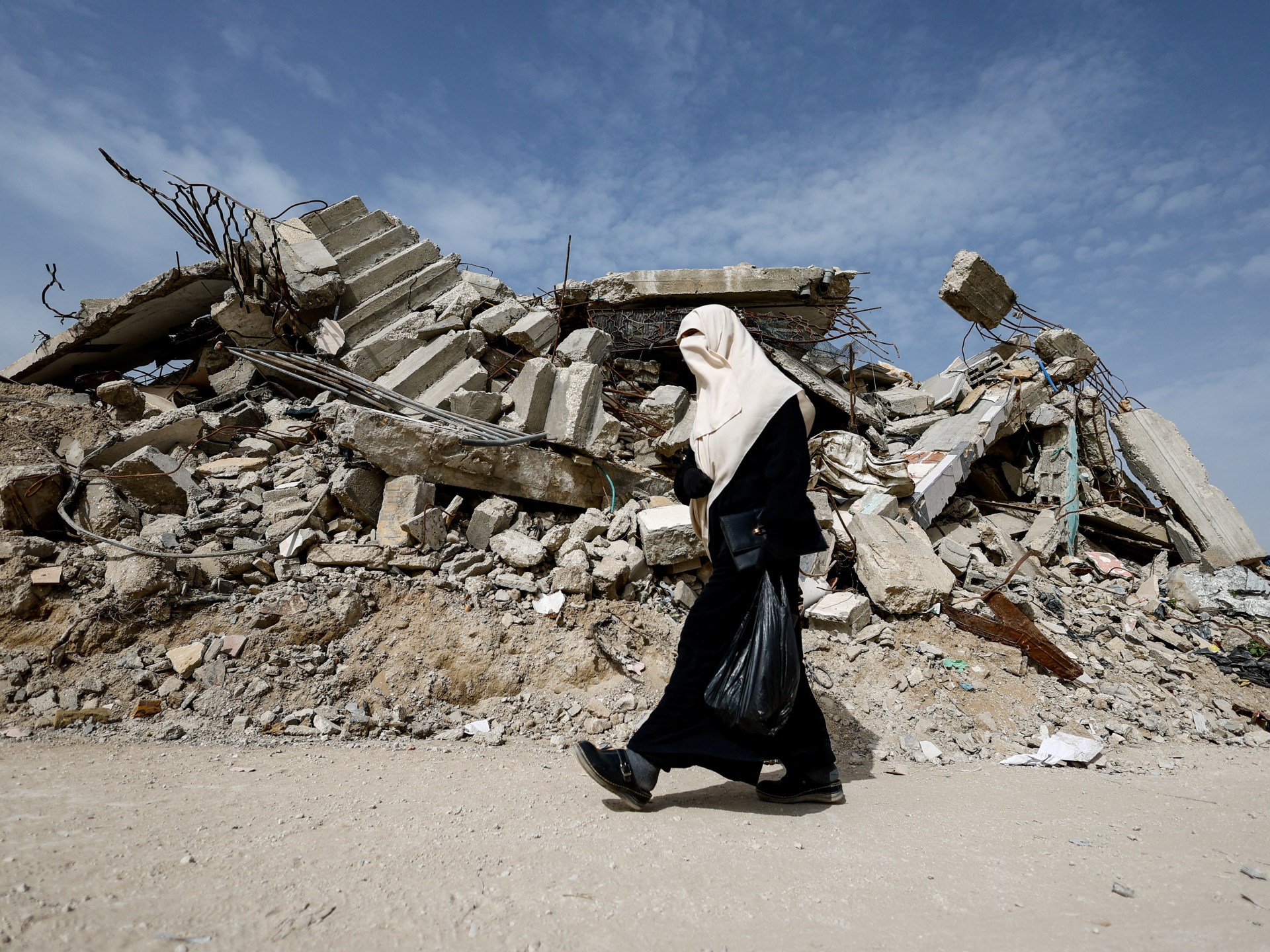
Israel's Supreme Court has granted the government a further extension to respond to a petition demanding independent press access to Gaza, continuing a prolonged information blockade. The delay comes as diplomatic efforts intensify for the second phase of a US-backed plan requiring Israeli troop withdrawal and Hamas demilitarization.
JERUSALEM – Israel’s Supreme Court has once again postponed a ruling on whether to grant foreign journalists independent access to the Gaza Strip, signaling a continued deferral of judicial intervention in the highly restricted information environment surrounding the enclave. The court has extended the government’s deadline until March 31 to address a petition filed by the Foreign Press Association (FPA).This latest postponement marks the ninth extension granted to the state since the FPA initiated legal action in September 2024. The existing policy effectively bars independent foreign correspondents from entering Gaza to report on conditions unless they embed with the Israeli Defense Forces (IDF), a condition critics argue compromises journalistic independence.During the Wednesday hearing, Supreme Court justices reportedly expressed frustration with the state’s justifications, which centered on unspecified security risks. Justice Ruth Ronen was quoted as stating that merely citing ‘security risks’ is insufficient without detailed substantiation, particularly given what she noted was a “very significant change on the ground” since the October 2025 ceasefire took effect.The FPA, representing 370 journalists across 130 media outlets, voiced significant concern over the closed-door nature of the proceeding. The association noted that its legal team was excluded from accessing materials presented to the judges, stating the process “offers no opportunity for us to rebut these arguments and clears the way for the continued arbitrary and open-ended closure of Gaza to foreign journalists.”This judicial deferral coincides with escalating international pressure regarding the implementation of the second phase of the US-backed proposal aimed at ending hostilities. Key to this phase is the withdrawal of Israeli forces, contingent upon the demilitarization of Hamas.At the United Nations Security Council, the United States unveiled details of an “internationally funded buyback” programme intended to facilitate the decommissioning of Hamas weaponry. US Ambassador to the UN, Mike Waltz, emphasized that “international, independent monitors will supervise a process of demilitarisation of Gaza.” However, the framework remains contentious, as Israeli Prime Minister Netanyahu has insisted demilitarization must precede further progress on a comprehensive ceasefire.Sources within Hamas have indicated to news agencies that the group has not yet received concrete, detailed disarmament proposals from mediators, suggesting significant hurdles remain in bridging the gap between security demands and ongoing conflict resolution efforts. The continued restriction on independent media access exacerbates challenges for international oversight of the evolving security and humanitarian situation in Gaza.Source attribution: Based on reporting originally published by Al Jazeera and subsequent analysis of court proceedings.