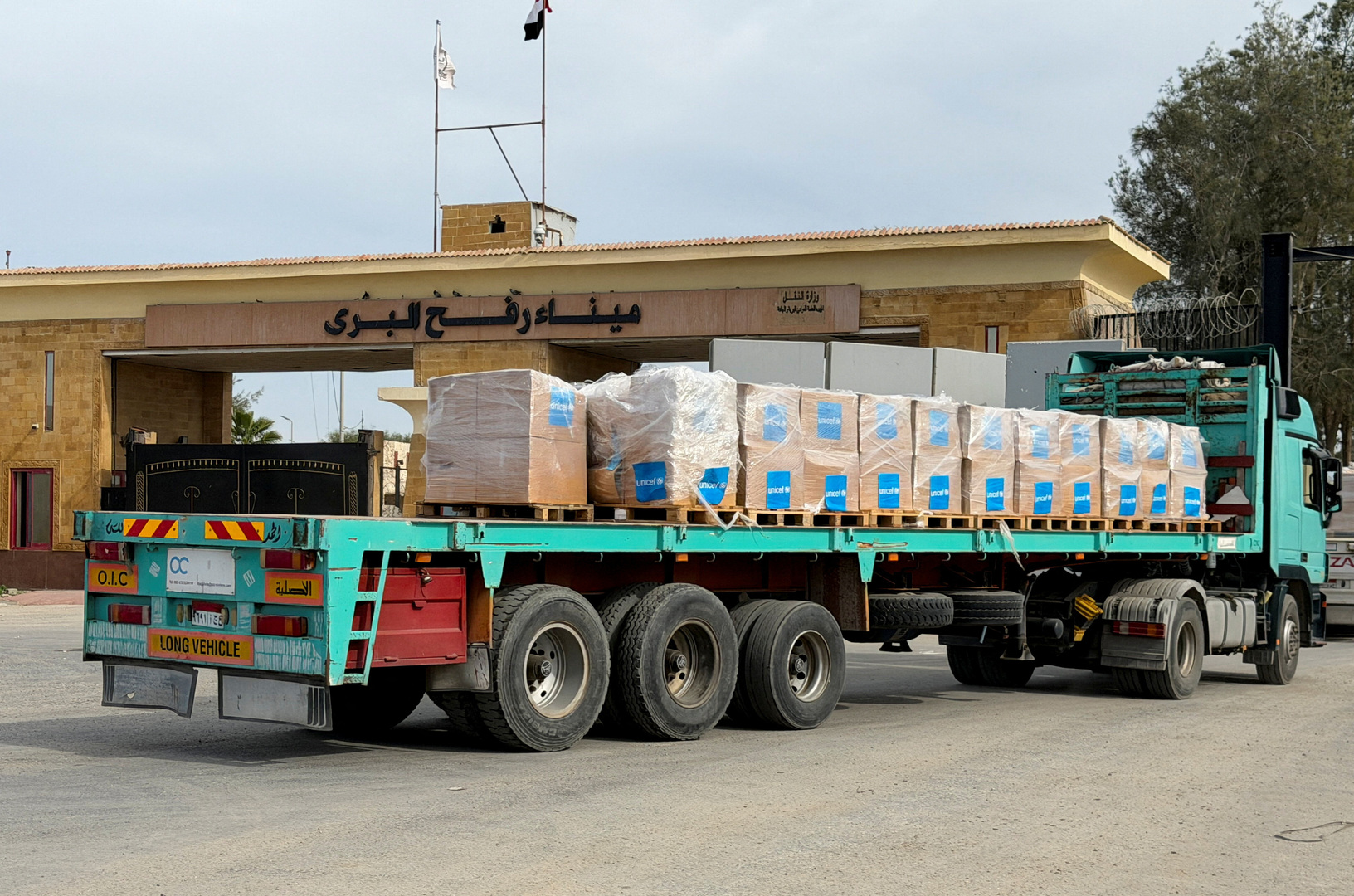
Israel stated it will reopen the Rafah border crossing on Sunday, marking a significant, albeit restricted, change in access after almost two years of closure. The reopening, however, is explicitly designated for the movement of people under tight security controls, according to reports.
Humanitarian aid flows into the area will continue to be barred, maintaining the existing blockade on essential relief supplies. This distinction between passenger movement and cargo passage highlights ongoing geopolitical tensions surrounding border control and immediate needs on the ground.
Al Jazeera correspondent Hani Mahmoud provided coverage from Rafah, emphasizing that Israeli authorities retain comprehensive security oversight of the crossing operations. The decision comes amid sustained international pressure regarding access restrictions to the region.
Data regarding the scale of personnel movement permitted remains unspecified, suggesting initial operations may be minimal or subject to unpredictable security assessments. The duration for which aid will remain prohibited is also undetermined by the announcement.
This development signals a tactical shift in border management rather than a comprehensive liberalization of entry points. Global economic analysts are monitoring the move for potential secondary effects on cross-border commerce and labor mobility.
Broader implications point toward continued friction over international oversight versus sovereign security concerns governing the corridor. Regional actors are evaluating the practical impact of limited personnel transit on localized stability.