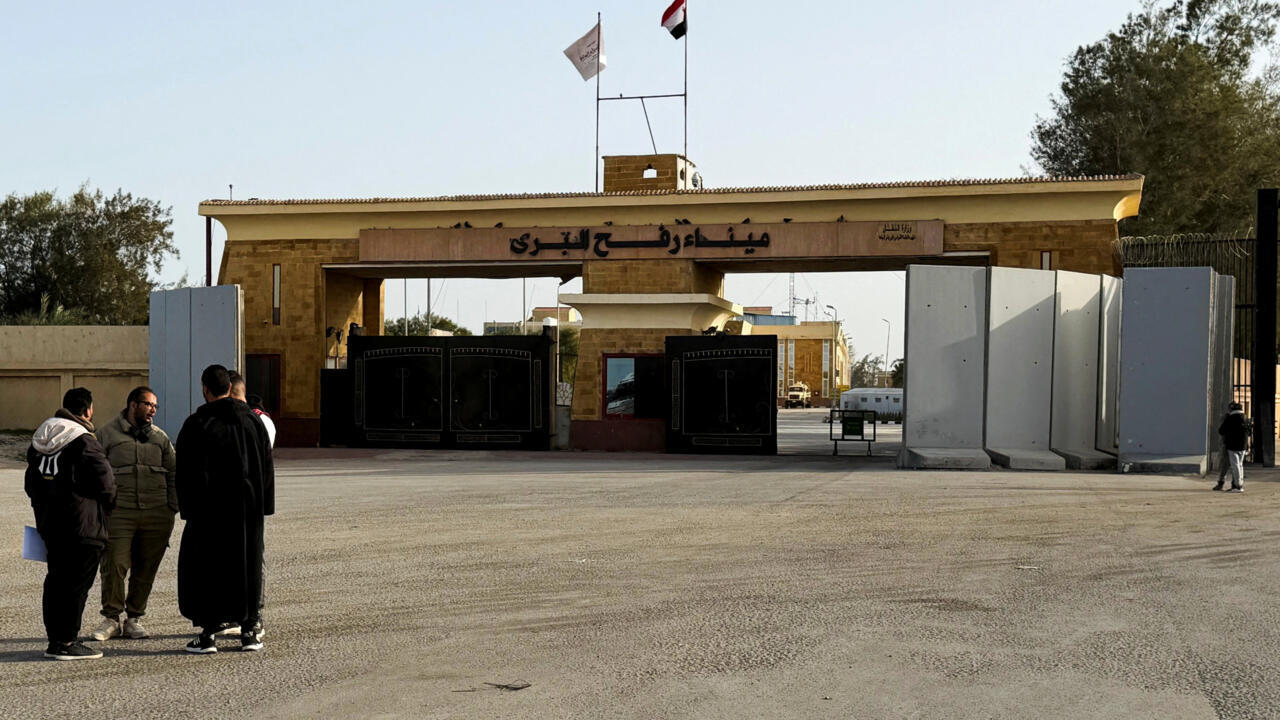
Israel confirmed Monday that the Rafah border crossing, Gaza's principal gateway, will resume operations for Palestinian passage after being largely shuttered for nearly two years. Preparations are reportedly underway at the crossing site, situated on the border with Egypt, as the enclave continues to navigate the humanitarian and economic fallout of sustained conflict.
According to Israeli directives cited by correspondents, the initial throughput will be strictly limited to about 150 individuals daily. Furthermore, the crossing will only permit passage by foot, imposing significant logistical constraints on the movement of people and potentially goods, should the scope expand later.
This reopening follows a period of heightened military activity and severe restrictions on movement in and out of the Gaza Strip, significantly impacting civilian life and commerce. The closure of major transit points has exacerbated internal economic pressures within the densely populated territory.
Details regarding the specific vetting procedures and the duration of this limited opening remain subject to ongoing coordination and security assessments. Noga Tarnopolsky, reporting from Jerusalem for FRANCE 24, provided initial details on the planned commencement of operations.
The geopolitical implications of controlling the Rafah crossing are substantial, as it represents the primary land corridor not directly controlled by Israeli authorities for civilian access to the outside world via Egypt.
Economically, while the initial pedestrian flow is minimal, any resumption of movement offers a slight, symbolic easing of the blockade's pressure on humanitarian aid delivery and essential travel needs.
Global observers will closely monitor adherence to the reported daily quotas and any subsequent announcements regarding the expansion of capacity or the inclusion of commercial traffic. The international community continues to press for sustained, unimpeded access for aid operations.