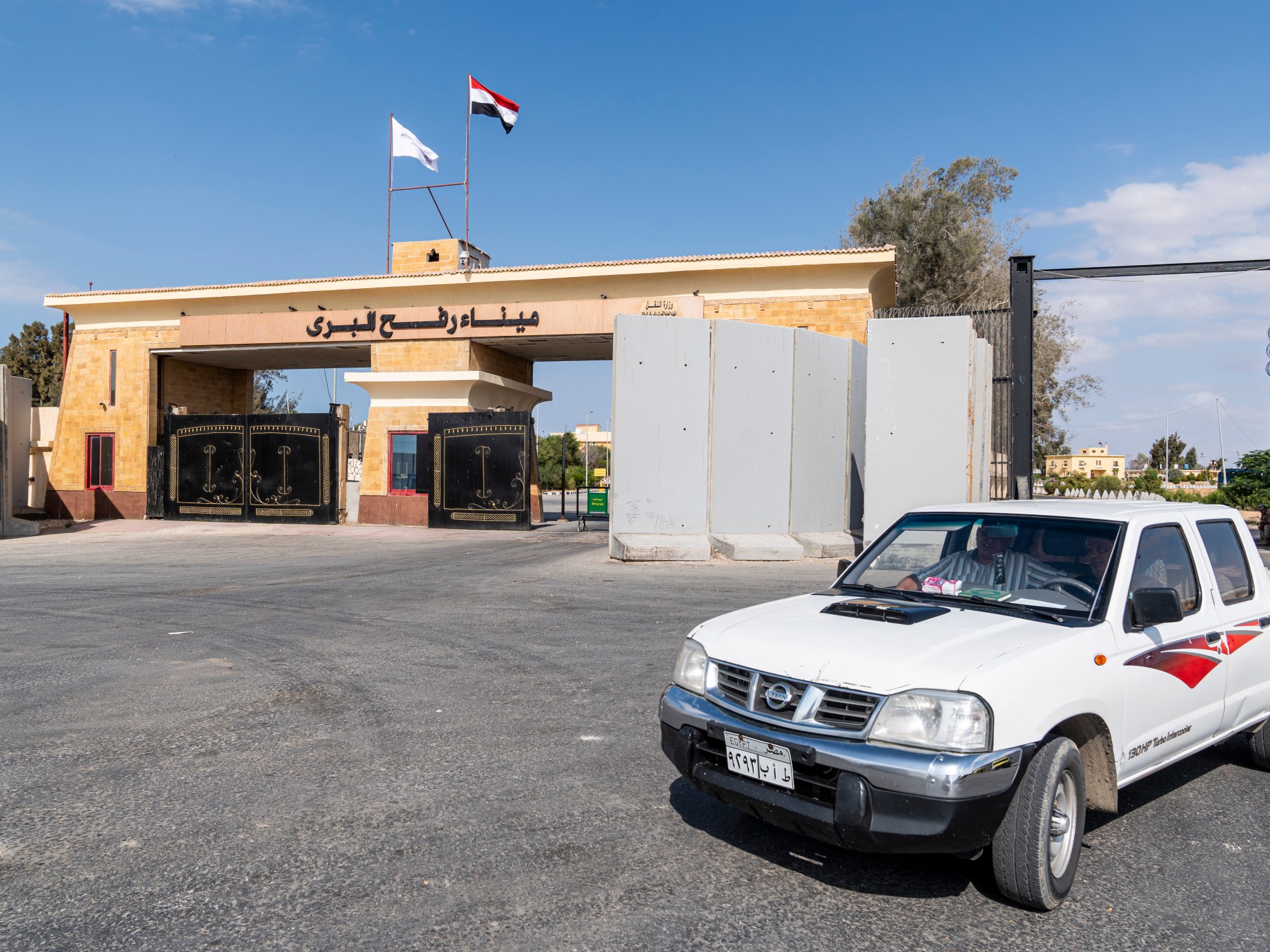
Israel confirmed on Friday that the Rafah border crossing, a vital link between Gaza and Egypt, will reopen on Sunday for limited movement of people, according to a statement from the Coordinator of Government Activities in the Territories (COGAT).
This limited reopening is a prerequisite of the second phase of the US-brokered ceasefire deal, which aims to secure a definitive end to hostilities between Hamas and Israel. The first phase concluded earlier this week following the return of the remains of the last Israeli captive held in Gaza.
Hamas had repeatedly called for the full and unrestricted reopening of Rafah in both directions as part of the agreement's implementation. The group further urged guarantors—Egypt, the US, Qatar, and Turkey—to pressure Israeli leadership to prevent obstruction of the fragile truce terms.
COGAT detailed that entry and exit will require prior Israeli security clearance for all individuals and coordination with Egyptian authorities. The mechanism mirrors procedures implemented in January 2025 and will occur under the supervision of the European Union mission.
International bodies, including the United Nations, have consistently advocated for the crossing's full reopening due to the severe humanitarian crisis affecting Gaza’s displaced population. The closure has severely restricted the flow of essential aid, including food, medicine, and shelter supplies, exacerbated by recent winter storms.
Despite the ceasefire framework, military operations persist, with Palestinian health authorities in Gaza reporting over 490 fatalities since the truce began. Israel maintains its operations target militant infrastructure, while Hamas accuses Israeli forces of ongoing violations.
The second phase of the truce also includes provisions for a recently appointed technocratic Palestinian committee to administer the territory, a step that remains contingent on the fulfillment of security and border access terms.