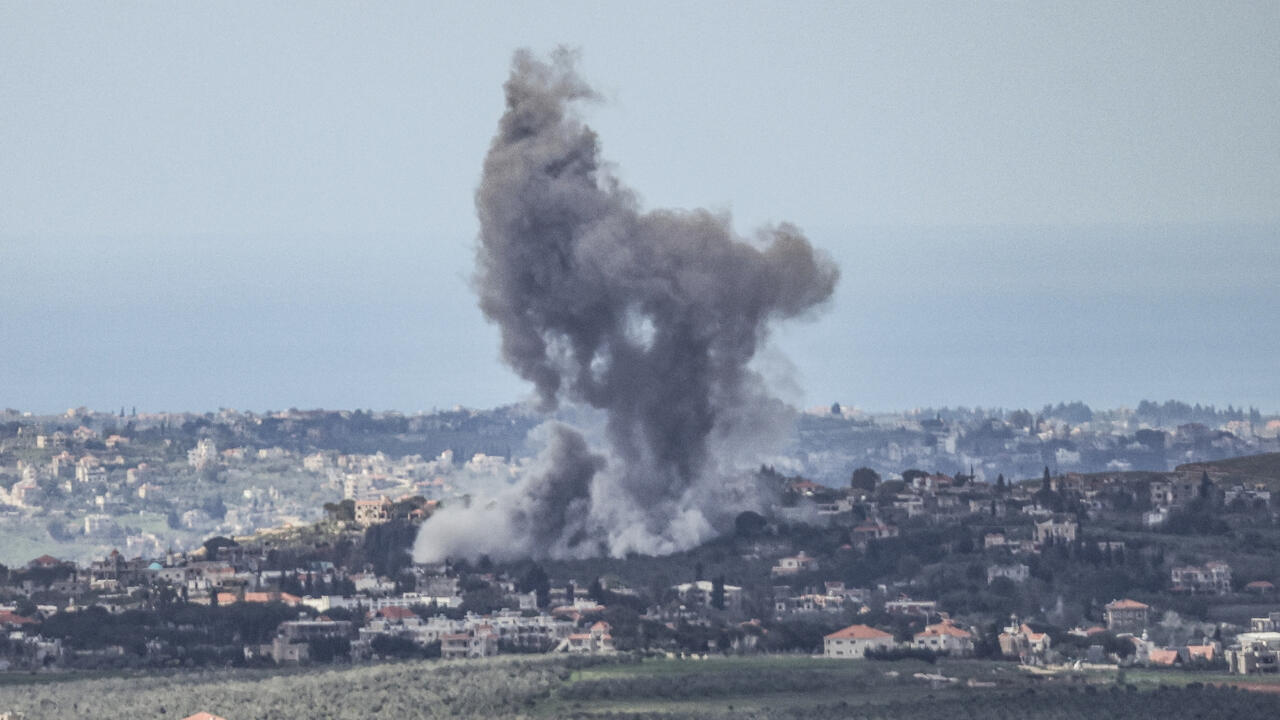
Israel announced plans to demolish all residential structures within a designated buffer zone in southern Lebanon on Tuesday. Defense officials state this measure aims to secure northern Israeli communities against cross-border threats from militant groups. The decision marks a significant escalation in the ongoing conflict between the two nations.
Demolition and Security Strategy
Security assessments indicate the region poses a significant risk to civilians living in the north following recent incursions. The strategy reportedly mirrors tactics used during military operations in Gaza over the past year. French media outlet France 24 reported the details based on comments from Jerusalem sources regarding the operation.
This operation involves the complete removal of housing units to create a wide safety perimeter for border settlements. Officials claim the destruction is temporary, though reconstruction remains uncertain for local populations currently displaced. The scale of the demolition suggests a fundamental shift in border security policy regarding Lebanese territories.
Legislative Changes in Military Courts
Concurrently, the Israeli parliament approved a controversial bill regarding military justice procedures for the occupied territories. The new law establishes the death penalty as the default sentence for Palestinians convicted of murdering Israelis. Legal experts warn this shift could intensify tensions within occupied territories and military courts significantly.
"We intend to inflict destruction comparable to that seen in Gaza to ensure a permanent safety perimeter," a defense official said.
Human rights organizations have criticized the measure as disproportionate and likely to fuel further unrest in the region. The move coincides with heightened military activity along the northern frontier and increased diplomatic pressure. France 24 correspondent Noga Tarnopolsky noted that the legislation has sparked debate among legal scholars and international bodies.
The displacement of 600,000 civilians represents a major humanitarian challenge for the region and neighboring states. Local villages face total erasure from the map to ensure long-term security for northern Israel residents. Residents currently in the area must evacuate immediately under the new orders issued by military command.
Neighboring countries monitor the escalation closely amid fears of broader regional involvement and potential escalation. Iranian-backed groups have threatened retaliation against Israeli security installations in response to the actions. Diplomatic efforts to de-escalate the situation face significant obstacles in the current geopolitical climate.
International observers question the long-term stability resulting from such aggressive security measures and the human cost. The financial cost of rebuilding infrastructure in the south could strain Israeli resources for years to come. Future negotiations may require addressing the status of the buffer zone explicitly to ensure lasting peace.
Washington and European allies have called for restraint while acknowledging Israel's security concerns regarding its northern border. The situation remains fluid as military operations continue to unfold on the ground in the contested zone. News organizations will continue to monitor developments regarding the humanitarian impact and legal implications.