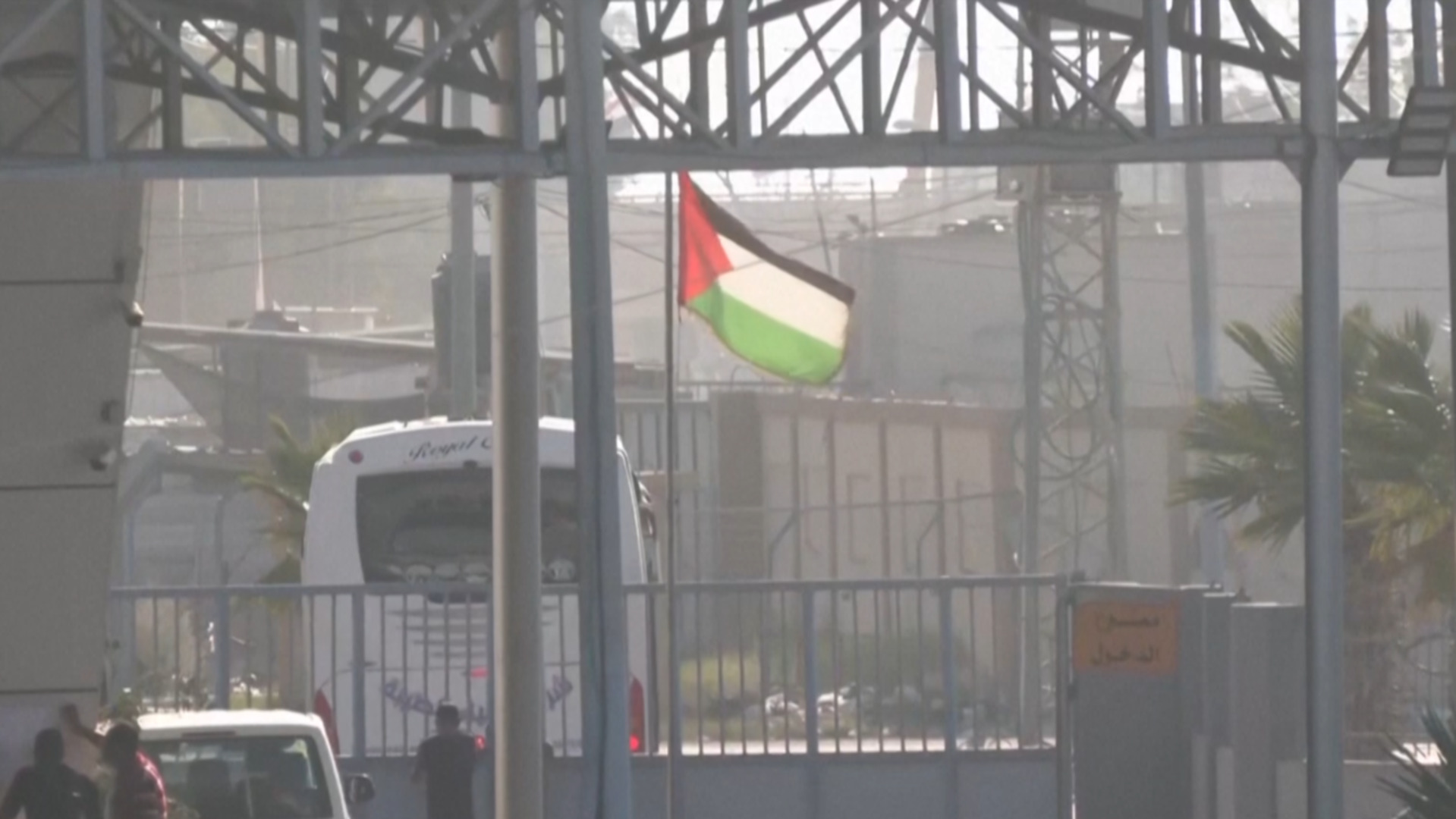
Israel initiated the partial reopening of the Rafah crossing on February second, an event that follows nearly two years of restricted access to the border terminal. This decision permits a maximum quota of 200 people to cross in either direction daily, according to reports from Al Jazeera.
This operational constraint has drawn immediate scrutiny from Palestinian representatives and humanitarian groups who view the small throughput as insufficient for genuine relief. Analysts suggest the calculated reopening aims to manage international pressure rather than facilitating broad mobility or substantial aid flow.
The limited capacity stands in sharp contrast to the ongoing needs of the population reliant on the crossing for essential travel and commerce. The restrictions immediately raise questions regarding the humanitarian effectiveness of the Israeli decision.
Reports indicate that official justifications for the limited scope centered on security assessments and operational constraints at the terminal itself. However, these assertions have been met with skepticism given the protracted closure period preceding this announcement.
Geopolitically, the move occurs amidst heightened international focus on border control mechanisms in the region. The decision may serve to temporarily de-escalate diplomatic tensions surrounding civilian transit access points.
For the broader economy of the affected region, even minimal movement through Rafah offers a slight, though heavily constrained, return to cross-border activity. Larger scale economic recovery remains contingent on significantly greater throughput capacity.
What comes next will depend on whether Israel maintains this strict daily ceiling or gradually increases the number of permitted crossings based on security evaluations. Global monitoring bodies are expected to closely track adherence to the stated operational parameters.