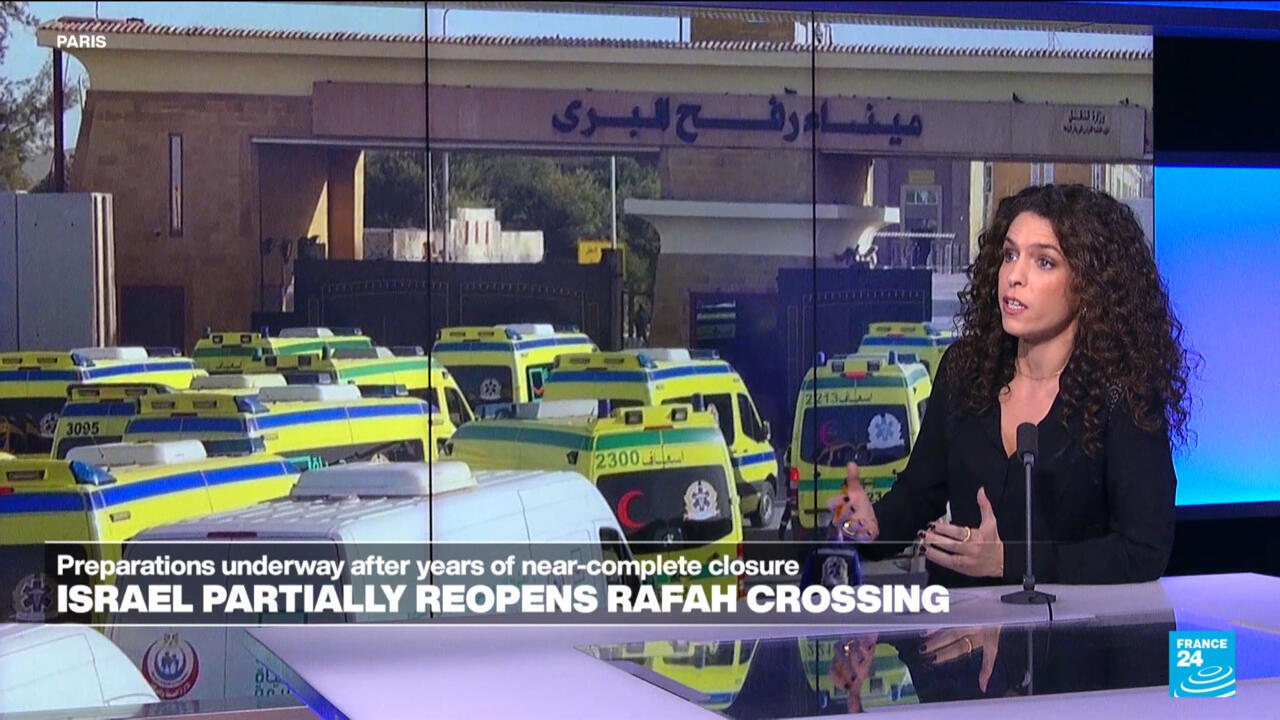
Israel partially reopened the Rafah crossing connecting the Gaza Strip with Egypt on Sunday, marking the first operational movement after a period of near-complete closure. This action follows months of intense lobbying from international aid agencies demanding greater access to the blockaded territory, as reported by FRANCE 24.
COGAT, the Israeli Ministry of Defence unit overseeing Palestinian civilian affairs, confirmed the pedestrian access but omitted any reference to facilitating the urgently needed surge in humanitarian supplies. The agency stated that the movement of individuals in both directions through the crossing is slated to begin on Monday.
International observers note that the current limited scope focuses exclusively on human transit, potentially circumventing broader demands for the unimpeded entry of essential goods and medical provisions. The status of commercial or large-scale aid convoys through Rafah remains undetermined following this announcement.
Prior to this partial resumption, the crossing had been largely closed, severely restricting the flow of people and materials necessary for the functioning of civilian life in Gaza. The closure has exacerbated the already dire economic and humanitarian conditions within the enclave.
This development occurs against a backdrop of increasing international pressure on all parties to establish more robust and reliable humanitarian corridors into the territory. The operational parameters established for this phase will be closely scrutinized by global governance bodies.
Details concerning the specific vetting procedures for pedestrians and the expected volume of daily crossings were not immediately provided by the Israeli authorities. Analysts expect clarity on these logistical constraints in the coming days.