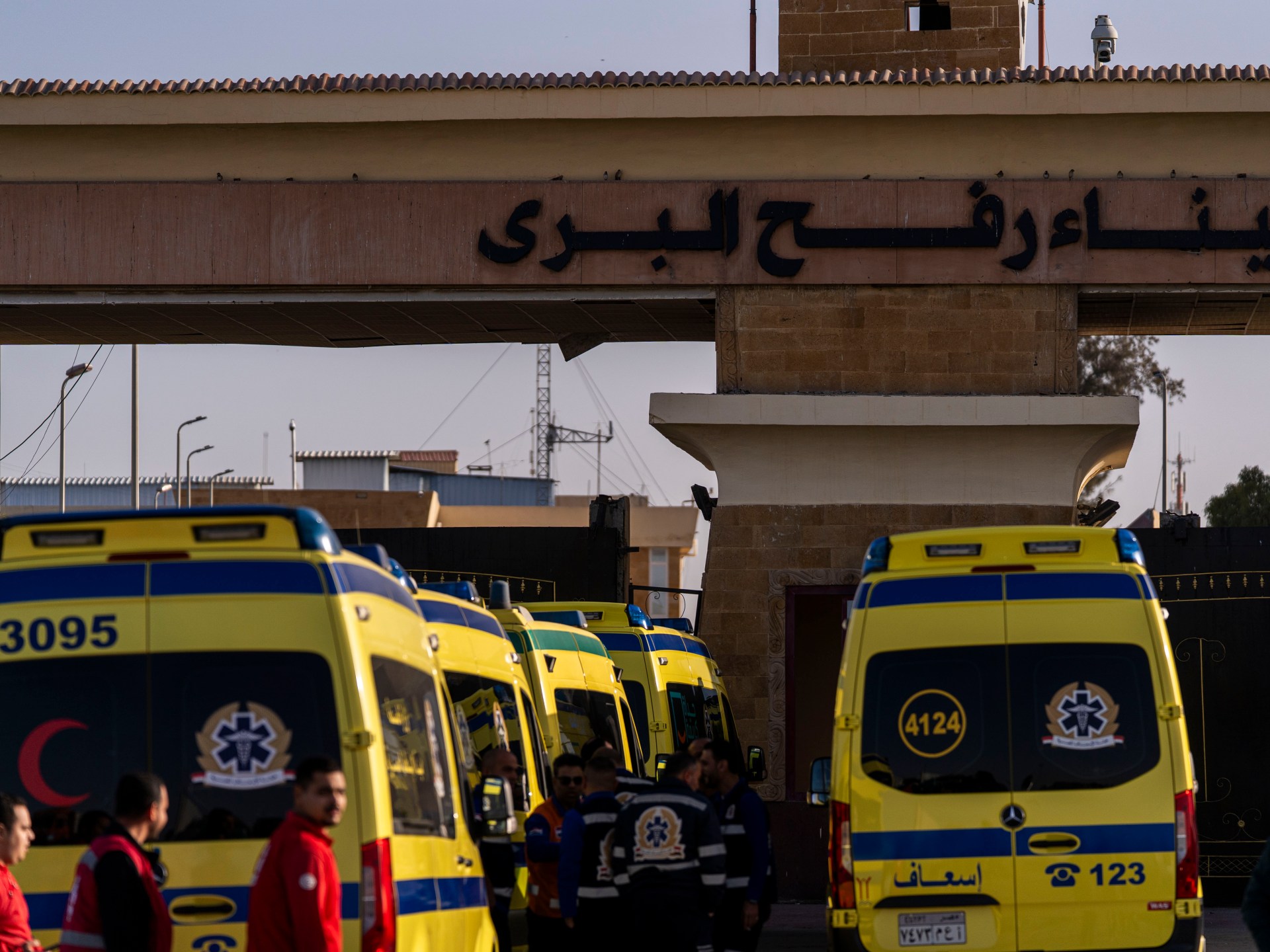
Israel confirmed Sunday that the Rafah crossing, Gaza’s sole access point not controlled by Israeli territory, will begin a limited operational trial on Monday for Palestinian movement, according to COGAT, the Israeli military liaison agency.
This initial phase is designed to test and assess the flow of residents in both directions, though movement will be restricted to pedestrians only, as reported by COGAT. The operation specifies coordination between Israeli authorities, Egypt, and the European Union, suggesting an external monitoring component for the limited transit.
Thousands of sick and wounded Palestinians require urgent medical attention abroad, a necessity exacerbated by the destruction of Gaza’s healthcare infrastructure during the conflict. An estimated 22,000 individuals are in dire need of leaving the enclave for treatment, according to Ismail al-Thawabta, director of Gaza’s Government Media Office.
Egyptian officials detailed to Reuters that approximately 50 patients would be processed initially, with daily transit expected to reach about 200 people—including accompanying family members—entering Egypt, and 50 returning to Gaza daily.
This reopening occurs amidst broader geopolitical friction, as Israel also terminated the operating license for Doctors Without Borders (MSF) due to the organization’s failure to submit required lists of local Palestinian staff. This action further complicates the humanitarian aid pipeline into the territory.
Palestinian officials expressed concern over the terms of departure, with reports indicating anxiety among residents about guaranteed re-entry after seeking medical treatment or education abroad. Approximately 80,000 Gazans who previously left during the conflict are currently seeking to return, Al Jazeera reported.
The limited reactivation of Rafah addresses one component of the ceasefire requirements, though substantial humanitarian aid delivery remains an unresolved issue, as Gaza requires an estimated 600 trucks of supplies daily, according to United Nations data.