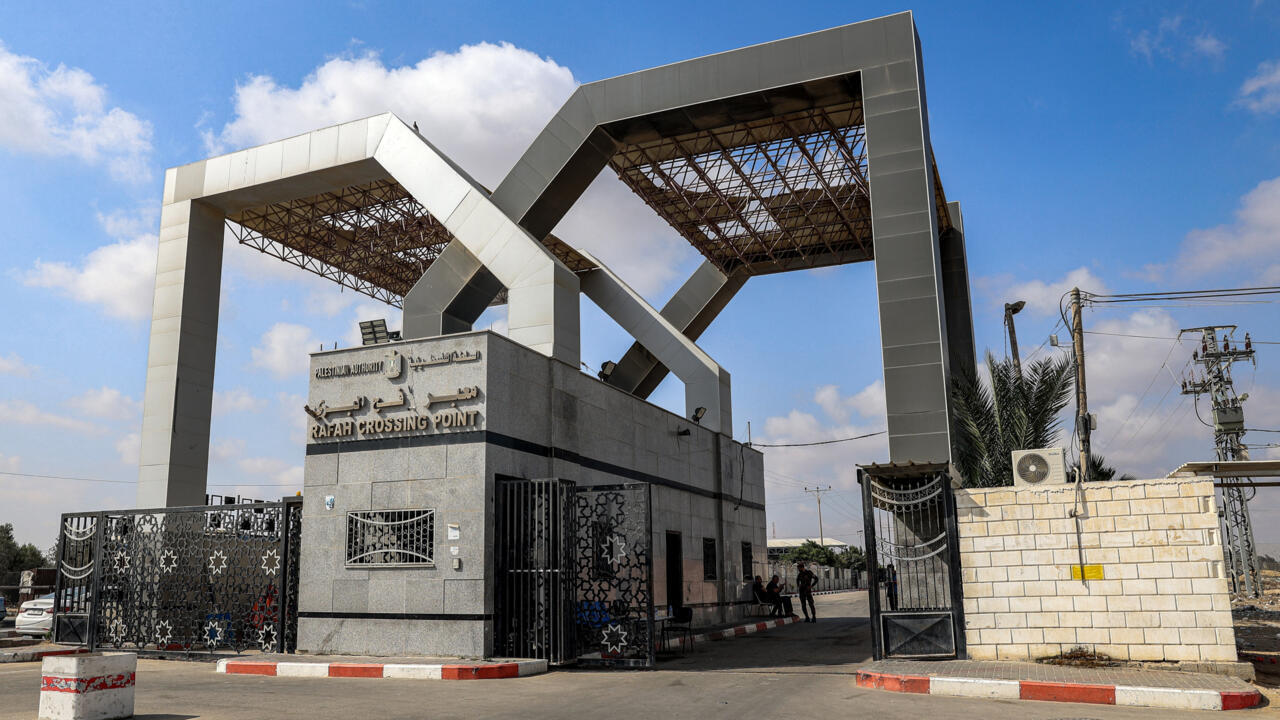
Israel partially reopened the Rafah crossing, the vital land link between the Gaza Strip and Egypt, on Sunday for the limited passage of residents only, according to a statement from COGAT, the Israeli defense ministry body coordinating Palestinian civilian affairs. This move adheres to provisions within the existing ceasefire agreement and follows the recovery of the remains of Israeli hostage Ran Gvili earlier the previous week.
The reopening for foot traffic is scheduled to occur under the supervision of the European Union mission, with entry and exit requiring prior security clearance from Israel and coordination with Egyptian authorities. However, the exact number of individuals authorized to cross daily has not been disclosed by Israeli officials, leaving ambiguity over the immediate humanitarian relief.
Sources at the border indicated that Sunday would be utilized primarily for logistical preparations, with a trial opening intended to facilitate passage for wounded individuals ahead of a broader scheduled reopening on Monday. Egypt reportedly plans to admit all Palestinians whom Israel sanctions to leave the besieged territory.
The crossing, located on Gaza's southern border, has been largely inaccessible since Israeli forces seized control in May 2024, aside from brief prior reopenings. The closure complicated the flow of essential aid and civilian movement, as Rafah is the sole crossing point not controlled by Israel.
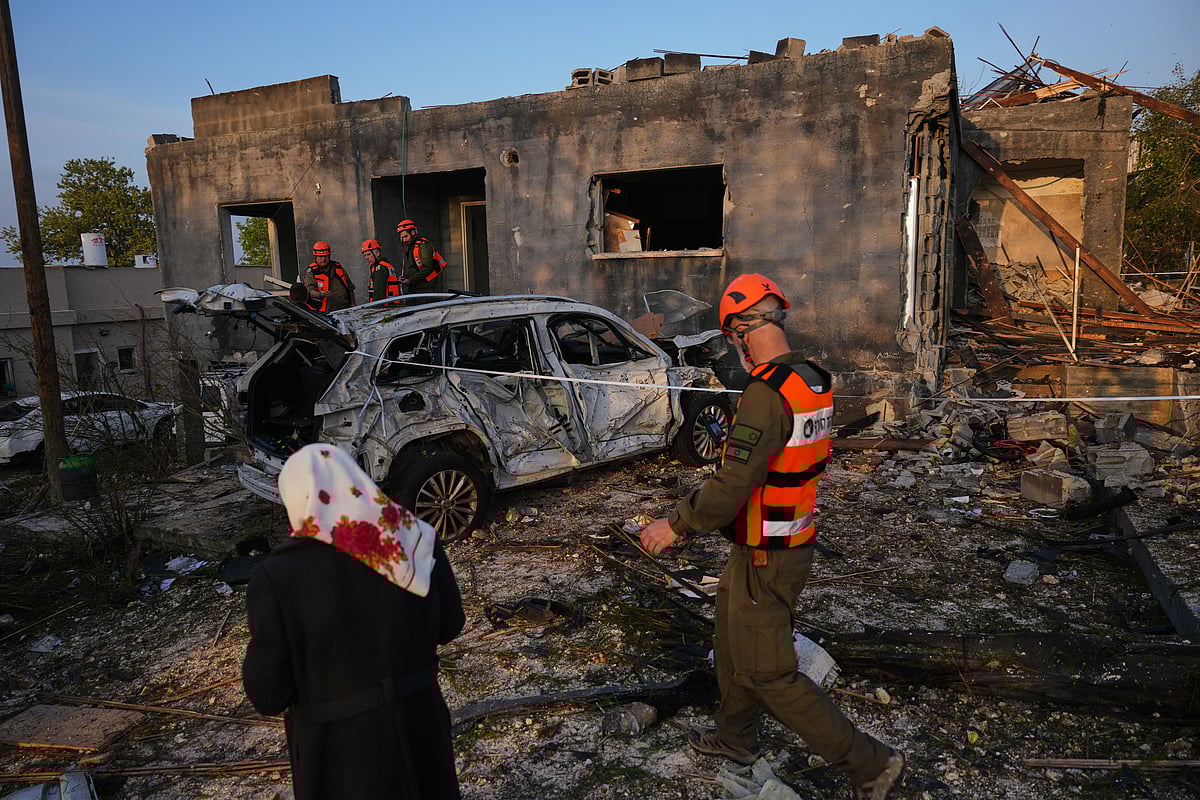
This development occurs amid continued localized military activity; Gaza’s civil defense agency reported numerous fatalities from Israeli strikes on Saturday, which the Israeli military stated were retaliation for alleged ceasefire violations by Palestinian fighters. The ongoing violence complicates the normalization of cross-border movement.
Market analysts suggest that sustained opening of Rafah is a precondition for the expected entry of a 15-member Palestinian technocratic body, the National Committee for the Administration of Gaza (NCAG), which is slated to oversee governance under the supervision of the 'Board of Peace'. The NCAG’s entry hinges directly on the operational status of the crossing.
Economically, the reopening may signal a slight easing of the blockade, potentially facilitating more predictable supply chains for reconstruction materials, though the focus remains strictly on personnel movement for now. The efficacy of the EU monitoring mission in ensuring compliance will be critical for sustaining this limited access.