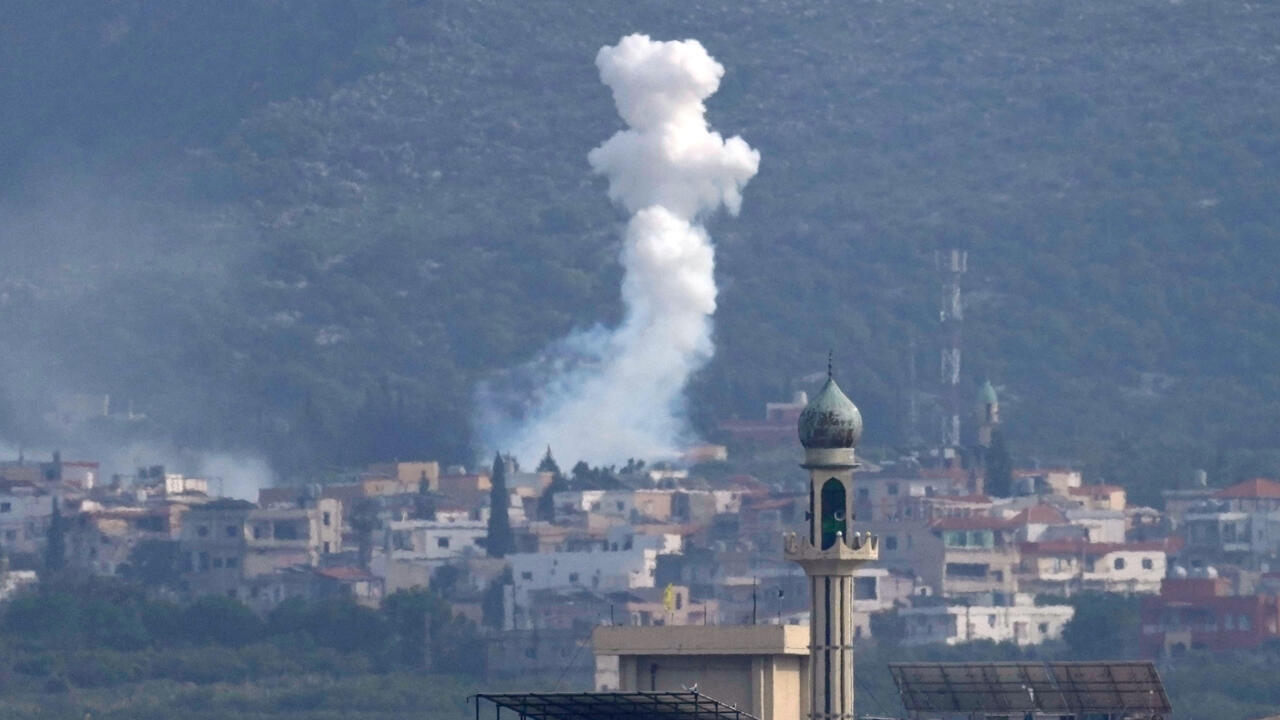
Israel renewed its bombardment of Beirut's southern suburbs on March 30 while continuing air strikes on Lebanon's south. One specific strike targeted an army checkpoint and killed a soldier during the operation. The incident occurred as Israeli forces expand their buffer zone in the southern region to secure their northern border against potential threats.
In south Lebanon, state media reported a series of Israeli air strikes throughout the day affecting multiple districts and infrastructure. The Lebanese army confirmed that one of its soldiers was killed and others wounded in the initial engagement with aerial forces. The attack happened on one of its checkpoints in the Tyre region according to local reports from the area.
FRANCE 24's Olivia Bizot reported details from the ground in Beirut regarding the escalation of hostilities in the conflict zone. She noted that the military presence in the area has increased significantly over the past weeks following numerous border incidents. Observers warn that the conflict dynamics are shifting rapidly toward the north and impacting civilian populations significantly.
Regional Security Implications
The targeting of a state army checkpoint marks a significant deviation from previous engagement patterns in the ongoing conflict. Previous strikes often focused on militant positions rather than regular military units stationed by the state. This shift suggests an intensification of the operational scope in the south and a broader military strategy.
Impact on Regional Stability
Analysts suggest this development could complicate diplomatic efforts to stabilize the border area and prevent further violence. The loss of state personnel often leads to heightened security protocols and public outcry across the nation. Neighboring countries are monitoring the situation for potential spillover effects on regional trade and security.
Outlook and Consequences
The incident adds pressure on international mediators seeking to de-escalate tensions in the region and find a peaceful resolution. Security analysts note that civilian infrastructure remains at risk during such broad bombardment campaigns targeting military assets. The situation requires close monitoring by global health and safety organizations to protect vulnerable residents.
"One of its soldiers was killed and others wounded in an attack on one of its checkpoints," the Lebanese army said.
Future developments will depend on the response from Lebanese leadership and regional allies regarding the security of the border. Stakeholders must watch for any official statements regarding military retaliation or diplomatic channels to resolve the crisis. The timeline for de-escalation remains uncertain at this stage given the volatile nature of the current situation.
Regional stability hinges on whether military actions can be contained within the defined buffer zones without wider expansion. Economic implications for the region could arise if port access or trade routes are disrupted by ongoing hostilities. International observers will track these movements closely for signs of broader conflict expansion.