Iraqi Street Defies US Political Pressure as Protests Erupt Over Ex-PM al-Maliki
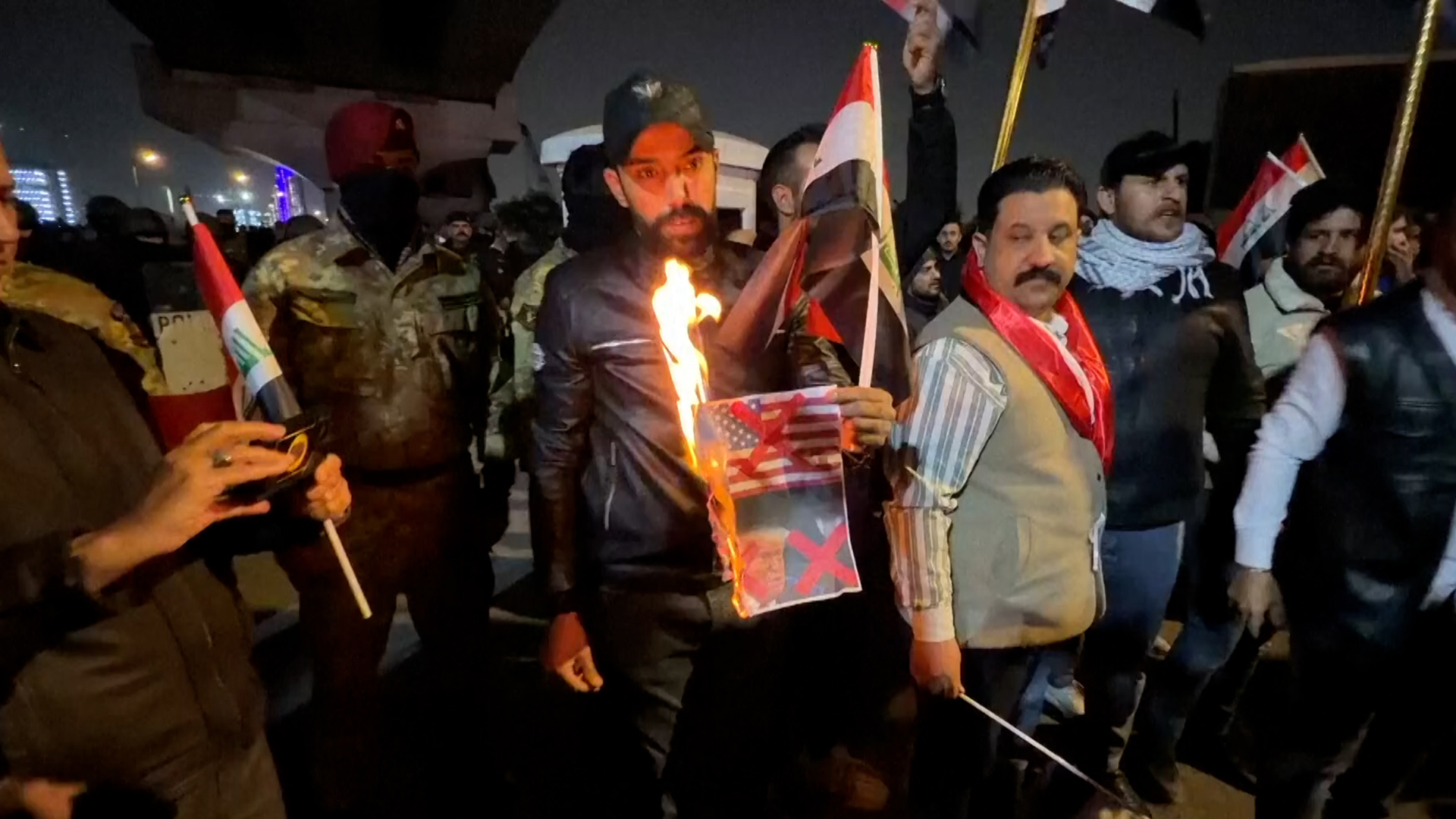
Demonstrations flared in Baghdad following explicit warnings from the US administration regarding the potential return of former Prime Minister Nouri al-Maliki to power. The public rejection, symbolized by the burning of US presidential effigies, underscores the delicate balance of sovereignty and external influence in Iraqi politics.
Iraqi Street Defies US Political Pressure as Protests Erupt Over Ex-PM al-Maliki
Publicidad
BAGHDAD – Political tensions in Iraq escalated this week as street protests erupted in the capital, directly challenging explicit external interference in the nation's delicate political calculus. Demonstrators in Baghdad took to the streets, publicly burning effigies of US President Donald Trump, in a visceral rejection of Washington’s stated opposition to former Prime Minister Nouri al-Maliki potentially regaining a significant leadership role.The immediate catalyst for the unrest appears to be recent public statements from the US administration indicating strong disapproval of any political comeback by al-Maliki, a figure whose tenure remains deeply polarizing within Iraq. The act of burning presidential photographs, coupled with the waving of the Iraqi national flag, serves as a potent symbol of national sovereignty being asserted against perceived foreign dictates.This development highlights the persistent friction between domestic political maneuvering in Baghdad and the strategic interests of key international actors. For Washington, al-Maliki’s potential return raises concerns regarding stability, sectarian balance, and the future trajectory of US-Iraqi security cooperation. Conversely, for segments of the Iraqi populace and political elite, the US intervention is viewed as an unwelcome intrusion into sovereign decision-making.Geopolitically, such public displays of defiance complicate diplomatic efforts to manage the relationship between the two nations. They signal to regional rivals that the Iraqi political landscape remains highly susceptible to populist sentiment mobilized against perceived external pressure points. The administration in Washington must now navigate whether to double down on its stated position, risking further anti-American sentiment, or to recalibrate its rhetoric to de-escalate the domestic backlash.The situation underscores a recurring theme in post-conflict Iraq: the struggle to forge an independent national consensus while operating under the long shadow of international involvement. The trajectory of the current political negotiations will likely be influenced by how effectively domestic factions can harness this public sentiment against external opposition.Source: Based on reporting from Al Jazeera and associated international wire services.