Iraq-US Relations Strain as Trump Opposes Maliki's PM Bid
Former Iraqi PM Nouri Maliki condemns US interference after Trump threatens to end support if he returns to power, escalating tensions over Iran's regional influence.
Iraq-US Relations Strain as Trump Opposes Maliki's PM Bid
Publicidad
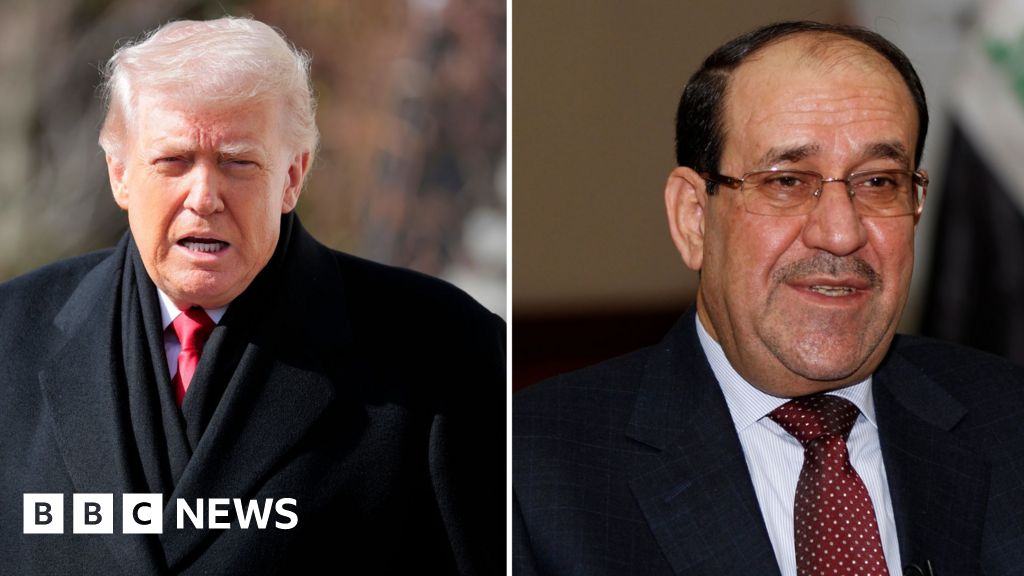
Iraq's political landscape has been thrust into international spotlight as former Prime Minister Nouri Maliki publicly denounced threats from US President Donald Trump, who vowed to end American support for Iraq should Maliki return to power.The diplomatic confrontation emerged after Maliki was selected over the weekend by Iraq's ruling Shia-led coalition as their nominee for prime minister. Trump responded swiftly on Truth Social, calling Maliki a "very bad choice" and asserting that during his previous tenure, "the Country descended into poverty and total chaos."Maliki, whose leadership from 2006 to 2014 was marked by sectarian violence and the rise of the Islamic State group, rejected what he termed US interference in Iraq's internal affairs. In a post on X, he characterized Trump's comments as a "violation" of Iraq's sovereignty and democratic order.The controversy highlights broader geopolitical tensions surrounding Iran's influence in the region. US Secretary of State Marco Rubio expressed concerns about Maliki's Iranian connections during a Sunday call with current Prime Minister Mohammed Shia al-Sudani, emphasizing that "a government controlled by Iran cannot successfully put Iraq's own interest first."Trump's threat to provide "zero" support to Iraq represents a significant escalation in US diplomatic pressure. The president has increasingly intervened in foreign elections, recently backing right-wing candidates in Poland, Romania, and Honduras, while also authorizing the seizure of Venezuelan President Nicolás Maduro for trial in New York.Maliki's potential return to power carries historical baggage. His previous administration's sectarian policies and alienation of Sunni and Kurdish populations are widely blamed for creating conditions that enabled IS to seize large portions of Iraqi territory, including Mosul, in 2014. The collapse of Iraqi security forces under his command ultimately led to his replacement after losing support from key Shia militia leaders and international backers, including Iran.Iraq's parliamentary process to elect a new president, originally scheduled for Tuesday, has been delayed due to disagreements over presidential candidates. The political uncertainty reflects deeper divisions within Iraq's Shia-dominated government and its complex relationship with both Washington and Tehran.As Iraq navigates between competing regional powers, the current standoff underscores the delicate balance the country must maintain between its strategic partnership with the United States and its sectarian and economic ties with Iran.