Iraq Presidential Vote Stalled as Kurdish Parties Deadlock on Candidate
Publicidad
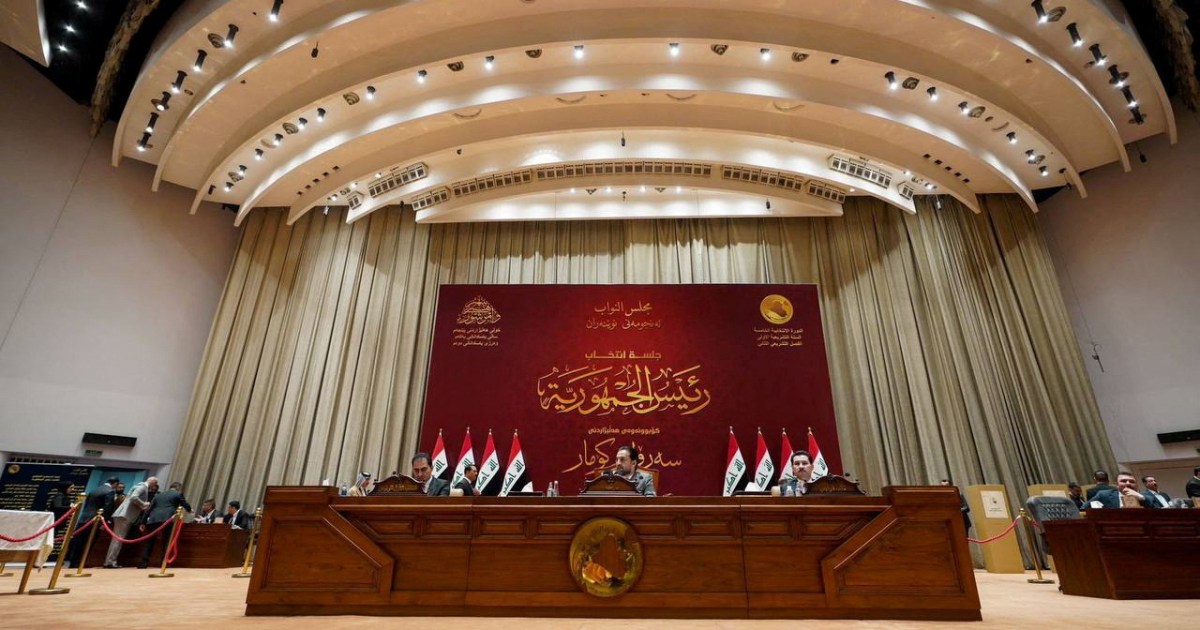
Iraq's parliament has postponed the presidential election scheduled for Tuesday, highlighting deepening political divisions as Kurdish parties struggle to reach consensus on their nominee for the largely ceremonial but symbolically important post.The delay, requested by the Kurdistan Democratic Party (KDP) and the Patriotic Union of Kurdistan (PUK), underscores fractures in Iraq's delicate sectarian power-sharing system. Under this arrangement, established after the 2003 US invasion, the prime ministership goes to a Shia, the parliament speaker to a Sunni, and the presidency to a Kurdish representative.The current impasse stems from the KDP's unexpected nomination of Foreign Minister Fuad Hussein, breaking with the traditional understanding that the PUK holds the presidency while the KDP controls the Kurdish regional government. This departure from established protocols has forced extended negotiations between the two main Kurdish political forces.The presidential selection carries broader implications for Iraq's geopolitical orientation. Once elected, the new president will have 15 days to appoint a prime minister, with former leader Nouri al-Maliki widely expected to return to the role he held from 2006 to 2014.Al-Maliki's potential comeback has triggered diplomatic tensions with Washington. US Secretary of State Marco Rubio warned against a pro-Iranian government in Iraq, while American representatives conveyed their "negative view" of previous Maliki-led administrations in a letter to Iraqi political leaders.The 75-year-old al-Maliki, who previously stepped down under US pressure, maintains close ties with Tehran and has already secured endorsement from the Coordination Framework, the Shia parliamentary majority alliance. Iraqi sources indicate the Shia coalition remains confident in their choice despite American concerns.This political maneuvering reflects Iraq's ongoing role as a proxy battleground between the United States and Iran, with successive governments attempting to navigate between these competing regional powers while maintaining domestic stability.The presidential vote delay adds another layer of uncertainty to Iraq's political landscape, where sectarian calculations often override policy considerations in determining leadership positions.