Iraq’s judiciary officially announced on Monday the commencement of legal proceedings against 1,387 detainees linked to the Islamic State (IS) group who were recently transferred from Syrian territory. The judiciary’s media office confirmed that specialized counter-terrorism judges, working under the supervision of the Supreme Judicial Council head, began the inquiry. This action formalizes the processing of individuals previously held by the Syrian Democratic Forces (SDF) in camps near the Turkish border.
These detainees represent a fraction of an estimated 7,000 IS suspects the US military facilitated transferring to Iraq. The relocation followed significant territorial gains by Syrian government forces against the SDF in the region. Iraqi security sources indicate the group includes foreign nationals alongside Syrians and Iraqis.
The transfer addresses the complex geopolitical situation arising from the collapse of SDF control in certain areas, which placed thousands of foreign detainees in a precarious position. The US military previously stated its alliance objectives with Kurdish forces in Syria had largely been fulfilled amid the Damascus offensive.
Courts in Iraq have historically taken a severe stance against terrorism-related offenses, having already issued hundreds of death sentences and life terms to convicted IS members since 2017. The Iraqi judiciary asserted that the current investigation procedures will adhere strictly to both national legislation and established international standards.
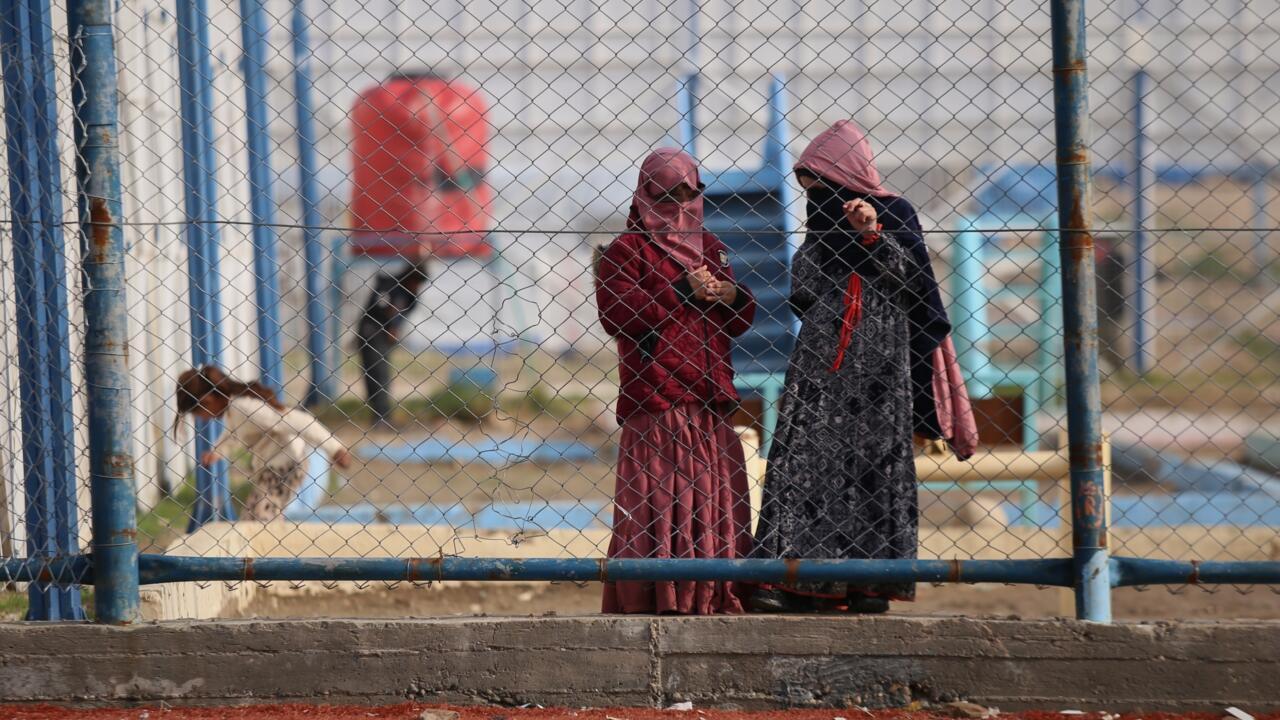
Thousands of suspected jihadists and tens of thousands of their relatives remain housed in Syrian facilities like the al-Hol and al-Roj camps, according to United Nations figures. The infrastructure managing these camps is under growing strain as regional security dynamics continue to shift.
This influx of high-profile detainees into the Iraqi judicial system underscores ongoing security challenges in the post-conflict zone spanning Iraq and Syria. The systematic processing of these individuals will test Baghdad’s capacity to manage international security obligations and domestic legal requirements simultaneously.
Broader implications involve international efforts to repatriate foreign fighters, many of whom originated from European nations. Iraq’s handling of these cases sets a precedent for how regional actors manage the residual threat posed by the dissolved IS territorial caliphate.