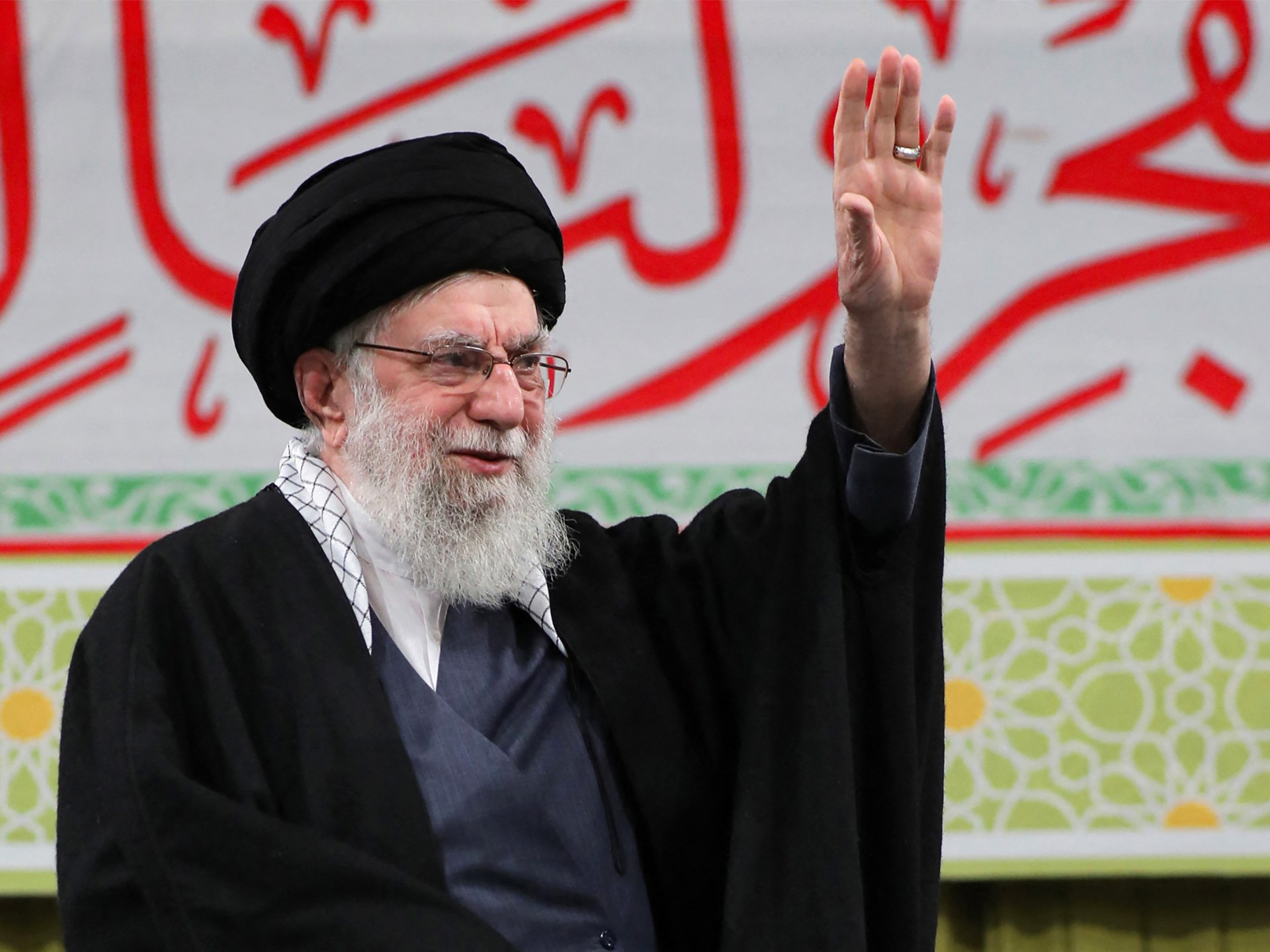
Iranian Supreme Leader Ali Khamenei warned the United States on Sunday that initiating a conflict would trigger a full-scale “regional war,” according to statements made during an event in Tehran. The 86-year-old leader accused Washington of harboring intentions to seize Iran’s vast oil and natural gas resources. This escalation in rhetoric coincides with reports of increased US military positioning across the Middle East.
Speaking to supporters marking the anniversary of Ayatollah Ruhollah Khomeini’s return to Iran, Khamenei characterized recent domestic unrest as a US-backed “sedition” similar to a coup attempt. He asserted that the goal of the recent protests was to dismantle the country's sensitive operational centers, including government offices and banks. Iranian authorities maintain that foreign actors, specifically the US and Israel, funded the unrest.
Official data regarding the recent unrest remains highly contested, complicating international assessment of the situation. While Iranian state media reported 3,117 fatalities, including security forces, international human rights monitors suggest the death toll may significantly surpass 20,000. The Iranian government has promised to release detailed casualty information, though no timeline has been provided.
In Washington, President Trump responded to the warning by expressing a desire for a diplomatic resolution while maintaining an ambiguous stance on future military engagement. Trump stated that if a deal is not reached, the world would discover if Khamenei’s predictions regarding regional conflict prove accurate. This highlights the fragile state of current diplomatic channels concerning the Gulf region.
Geopolitical friction has been amplified by recent retaliatory actions between Tehran and the European Union. Iran designated EU armies as “terrorist groups” after the bloc listed the Islamic Revolutionary Guard Corps (IRGC) as a terrorist organization. The IRGC, which controls significant sectors of the Iranian economy, issued a statement arguing the EU’s designation impedes constructive engagement.
The Iranian government is concurrently attempting to manage domestic dissent and project an image of strength. Hardline lawmakers in parliament recently donned IRGC uniforms to condemn the EU’s actions, while state media continues to broadcast narratives condemning the recent “riots.”
Broader economic implications stem from the ongoing sanctions regime imposed by the US and its allies, which severely impact Iran’s currency stability and economic output. These pressures fueled the initial merchant protests that evolved into wider civil unrest over living conditions and personal freedoms.
As the anniversary of the 1979 Revolution approaches, Tehran is organizing large-scale rallies intended to demonstrate national unity and defiance against what it terms “global arrogance.” The convergence of military posturing and high-stakes diplomatic signaling suggests continued volatility in the near term.