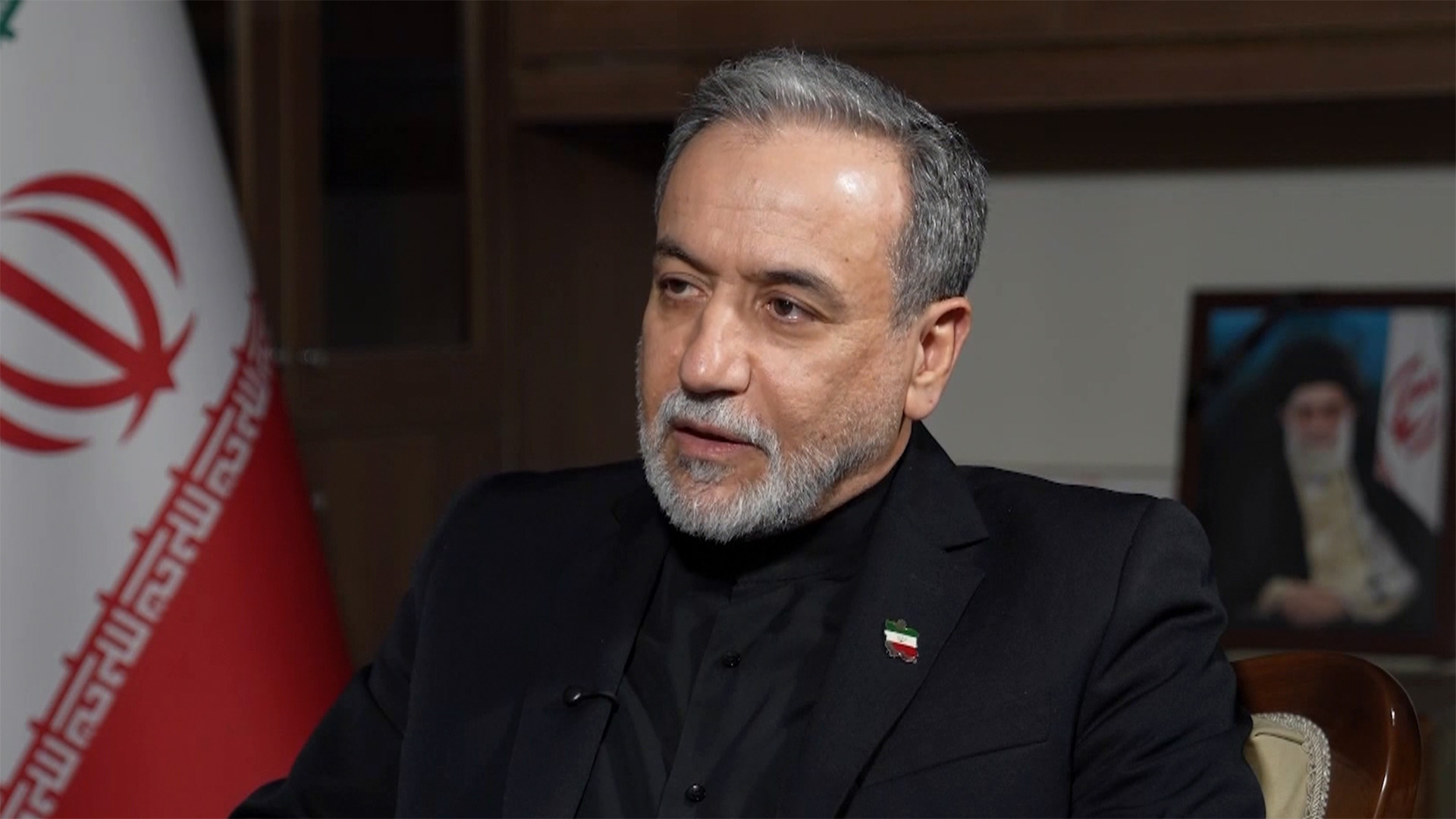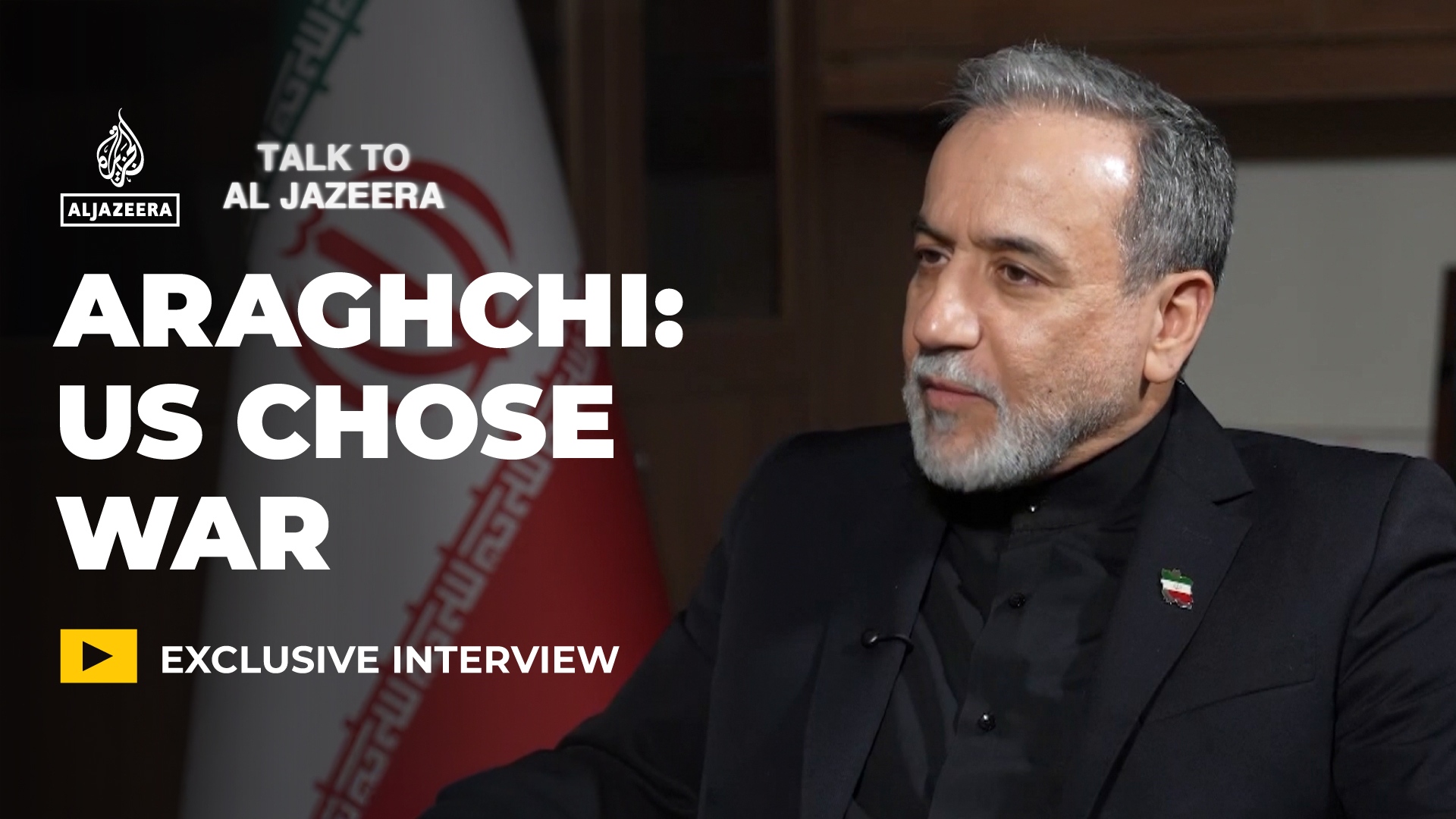
TEHRAN, March 18 — Iranian Foreign Minister Abbas Araghchi declared the current regional conflict constitutes an American war during an exclusive interview with Al Jazeera. He asserted that Washington bears full responsibility for the escalation engulfing the Middle East. The remarks signal a hardening stance from Tehran as hostilities intensify across the Gulf region in early 2026.
Araghchi explicitly rejected the notion that Iran seeks to target civilian populations in its military operations. The foreign minister defended the scope of Tehran’s recent retaliation measures against regional adversaries. He argued that military necessity dictates the response rather than indiscriminate violence during the ongoing crisis.
A significant portion of the interview focused on the United States military footprint in the Persian Gulf. Araghchi warned that the continued presence of American forces makes further escalation unavoidable according to Tehran. He cited specific bases as flashpoints for future conflict scenarios involving nuclear capabilities.
International shipping lanes face potential disruption under the new warnings issued by Iranian officials. The Foreign Minister signaled possible new rules governing navigation through the Strait of Hormuz. This vital waterway handles approximately 20% of the world’s total oil supplies according to energy analysts.
Any disruption there would trigger immediate price spikes in global energy markets worldwide. Economic markets reacted swiftly to the comments regarding trade route security and potential blockades. Oil prices fluctuated as traders assessed the risk of a closure in the strategic chokepoint.
Global supply chains remain vulnerable to any interruption in energy exports from the region. Energy traders are currently hedging against potential volatility that could last for several months. Business leaders are now factoring potential sanctions or trade restrictions into their long-term planning.
On the diplomatic front, Araghchi dismissed the possibility of a temporary ceasefire in the current phase. He insisted that only a permanent end to the war would satisfy Iran’s strategic objectives. Diplomats note that this demand removes the immediate off-ramp for de-escalation efforts.
The position marks a departure from previous diplomatic engagement strategies employed by the Islamic Republic. Historically, Tehran has utilized ceasefires as leverage during periods of intense pressure. Analysts suggest this change reflects a loss of faith in negotiation outcomes recently.
Regional partners are closely monitoring the statement for implications on their own security arrangements. Saudi Arabia and the United Arab Emirates face increased pressure to align their policies with local stability. Riyadh and Abu Dhabi must now balance economic ties with security concerns in the region.
La Era will continue to track developments in the region as diplomatic channels remain strained. Observers will watch for any concrete changes in naval conduct within the Gulf waters. This period is critical for determining the stability of the broader Middle Eastern economy.