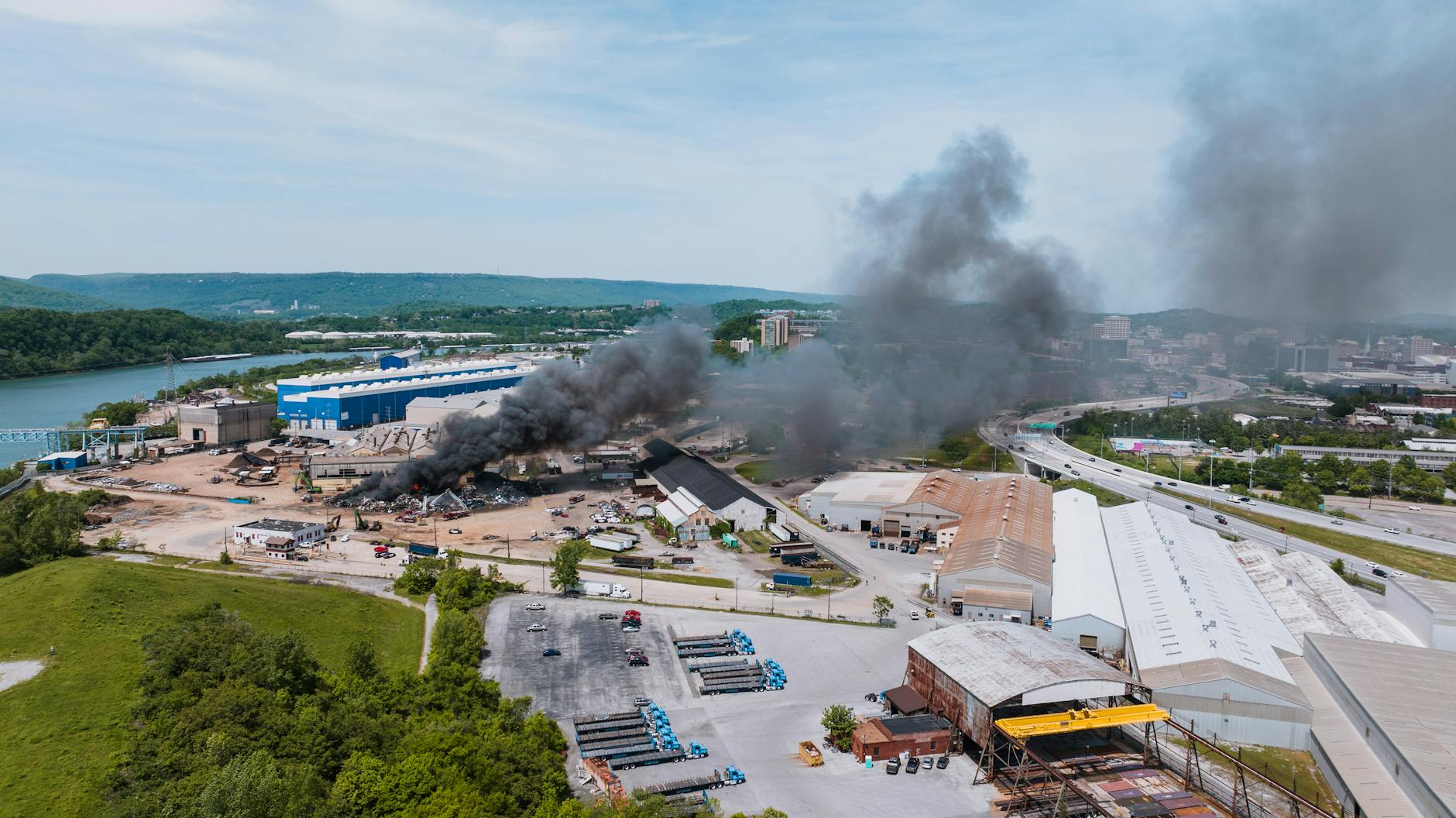
Iran launched coordinated drone and missile attacks against critical industrial infrastructure across several Gulf nations on Saturday, marking a significant escalation as the US-Israel war against Tehran enters its fifth week of sustained hostilities. These strikes targeted major aluminium smelting facilities in the United Arab Emirates and Bahrain, causing substantial physical damage and injuring multiple workers at the sites involved in production. The United States and Israel have intensified their military response in the region over recent days, prompting retaliatory measures from Iran's Islamic Revolutionary Guard Corps to protect domestic assets and infrastructure from foreign aggression.
In Abu Dhabi, operator Emirates Global Aluminium reported significant damage following an Iranian strike that resulted in a number of people being injured during the incident. This facility is a cornerstone of the local economy and energy sector, making any disruption potentially costly for regional supply chains and export capabilities. Officials are currently assessing the full extent of the structural harm caused by the incoming projectiles used by the attacking force.
Meanwhile, state-controlled Aluminium Bahrain confirmed that two employees were wounded after an attack on one of the world's largest aluminium smelting facilities in their nation. The company issued a statement regarding the safety of its workforce and the integrity of the production line following the incident involving drones and missiles. Such industrial vulnerabilities highlight the growing risks facing economic hubs located in close proximity to active conflict zones.
Iran's Islamic Revolutionary Guard Corps claimed responsibility for targeting these specific sites, stating they were linked to American military operations in previous statements carried by state media. According to the semi-official Mehr news agency, the IRGC asserted that the aluminium facilities possessed connections to foreign powers seeking to destabilize regional stability. This narrative frames the strikes as defensive actions taken against perceived external threats to national security interests.
Elsewhere in the region, Oman said it was investigating cowardly attacks for which no one had yet claimed responsibility after a foreign worker was reportedly injured in a drone strike on its southern port of Salalah. Kuwait's defence ministry reported that the radar system at its international airport had been significantly damaged after being attacked by fifteen drones over the same period. These incidents suggest a broader campaign aimed at disrupting regional logistics and communication networks essential for trade and travel.
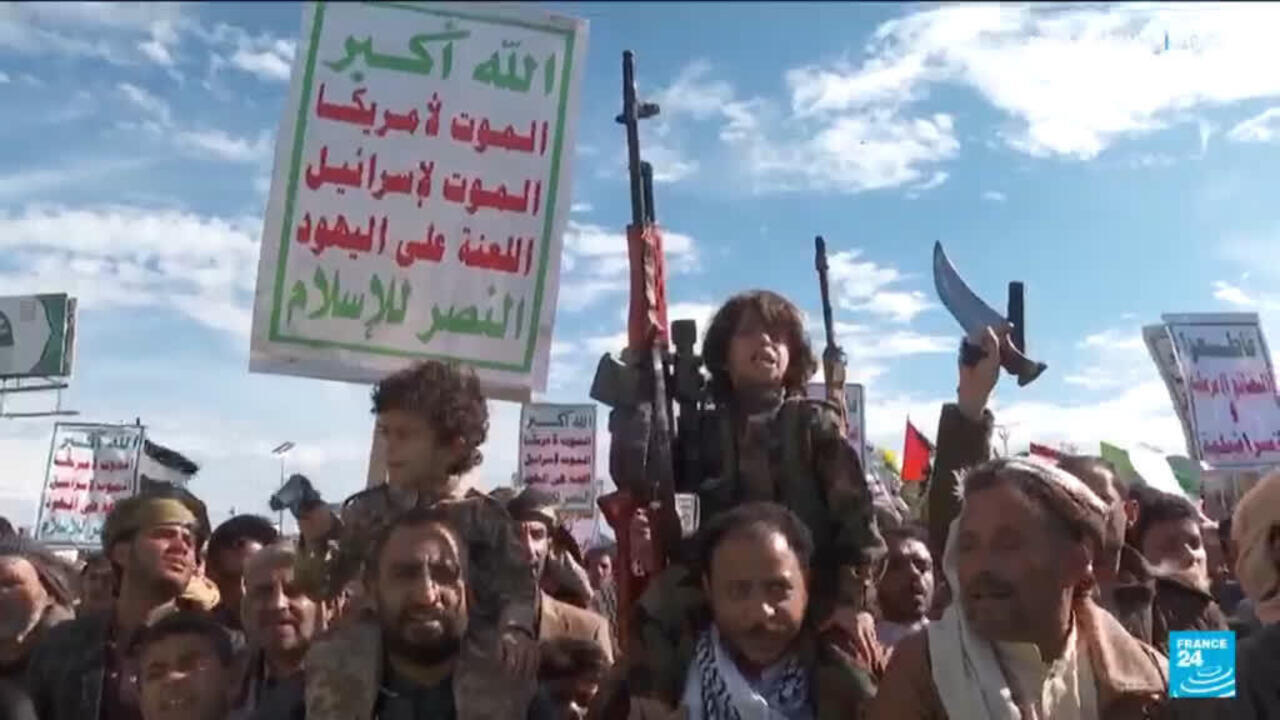
The economic implications of these attacks are severe, particularly as oil and gas prices have already spiked due to Iran effectively shutting the Strait of Hormuz. This critical shipping route serves as a key artery for global energy supplies between the Persian Gulf and the Gulf of Oman, meaning disruptions could drive costs higher worldwide. Market analysts warn that further instability in the Red Sea involving Yemen's Iran-backed Houthis could exacerbate these financial pressures significantly.
Simultaneously, the conflict spilled over into Lebanon where three journalists were killed in a targeted Israeli strike on Saturday according to their employers. The Israel Defense Forces confirmed it had killed Ali Shoeib, who worked for the Hezbollah-affiliated Al Manar TV, describing him as a terrorist from Iranian-backed Hezbollah's elite Radwan Force. This development underscores the human toll of the broader regional conflict involving multiple state and non-state actors in the Middle East theatre.
Health officials reported nine paramedics had been killed in southern Lebanon within twenty-four hours, reaching a total of fifty-one health personnel killed so far this March. The World Health Organization issued these figures to highlight the targeting of medical infrastructure and personnel during active hostilities. Such events draw international attention to the humanitarian crisis unfolding alongside the geopolitical military engagements currently underway.
With their economies and way of life on the line, countries in the Gulf insist they must have a say in any future peace talks regarding the conflict's resolution and security architecture. However, regional leaders remain split on the way forward and on what the region's relationship with Iran or the United States should look like post-conflict and during negotiations. Investors and policymakers will watch closely for signs of de-escalation or renewed attacks that could impact global energy markets further and disrupt supply chains globally.