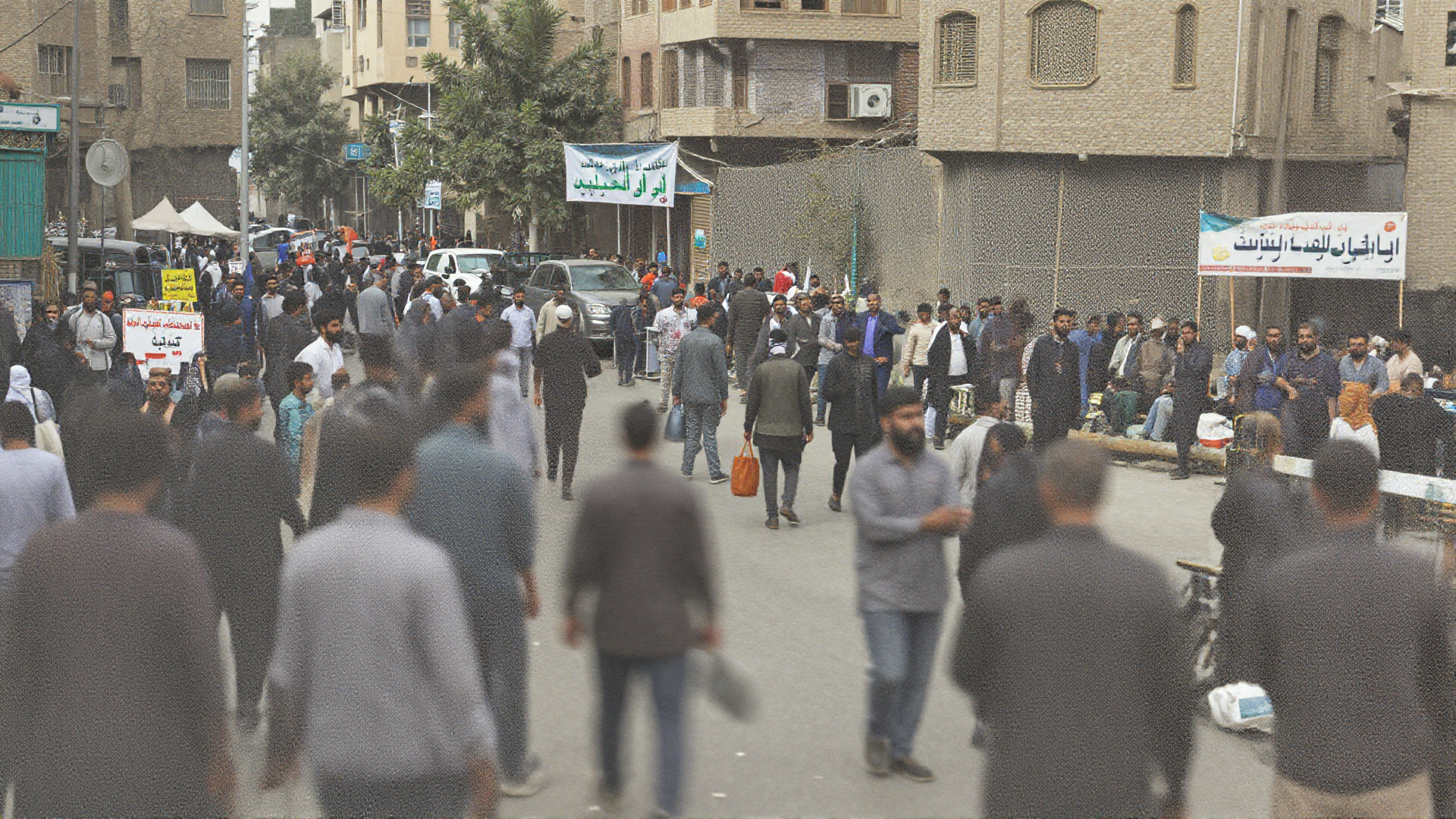
Iranian protester Erfan Soltani, reportedly sentenced to death following anti-government demonstrations last month, secured release on bail on Saturday, reports confirmed. Soltani, 26, was detained on January 8 in Fardis, west of Tehran, amidst a severe government crackdown on the ongoing unrest.
Norway-based Kurdish rights group Hengaw originally informed Soltani's family that the detainee was scheduled for execution within days, though official bodies later denied the death penalty claim. The judiciary stated that Soltani faced only lesser security-related charges carrying potential prison terms, not capital punishment.
Amir Mousakhani, Soltani’s lawyer, confirmed the release to Agence France-Presse, specifying a bail payment of two billion tomans, equivalent to approximately $12,600, was required. Soltani reportedly recovered personal effects, including his mobile telephone, upon his release.
The initial reports alleging an expedited death sentence for the clothes shop owner generated significant international attention, including threats of “very strong action” from the US administration. Iranian officials, including the Foreign Minister, publicly characterized the execution reports as fabricated news from foreign media organizations.
While Hengaw initially reported a postponement of the execution, the subsequent bail confirms a shift in Soltani's legal status. Human rights organizations continue to track the broader impact of the crackdown, with figures suggesting thousands of arrests and significant fatalities since late December.
Iran’s Supreme Leader Ayatollah Ali Khamenei recently accused protesters of attacking state infrastructure, including banks and mosques, framing the unrest as an external threat. The differing narratives regarding Soltani’s charges underscore the opacity surrounding the judiciary’s handling of political detentions.
Broader geopolitical tensions remain elevated, as Khamenei previously warned that external interference in domestic affairs would precipitate a regional conflict. The handling of high-profile protest cases like Soltani’s will likely influence ongoing international scrutiny of Iran's internal security apparatus.