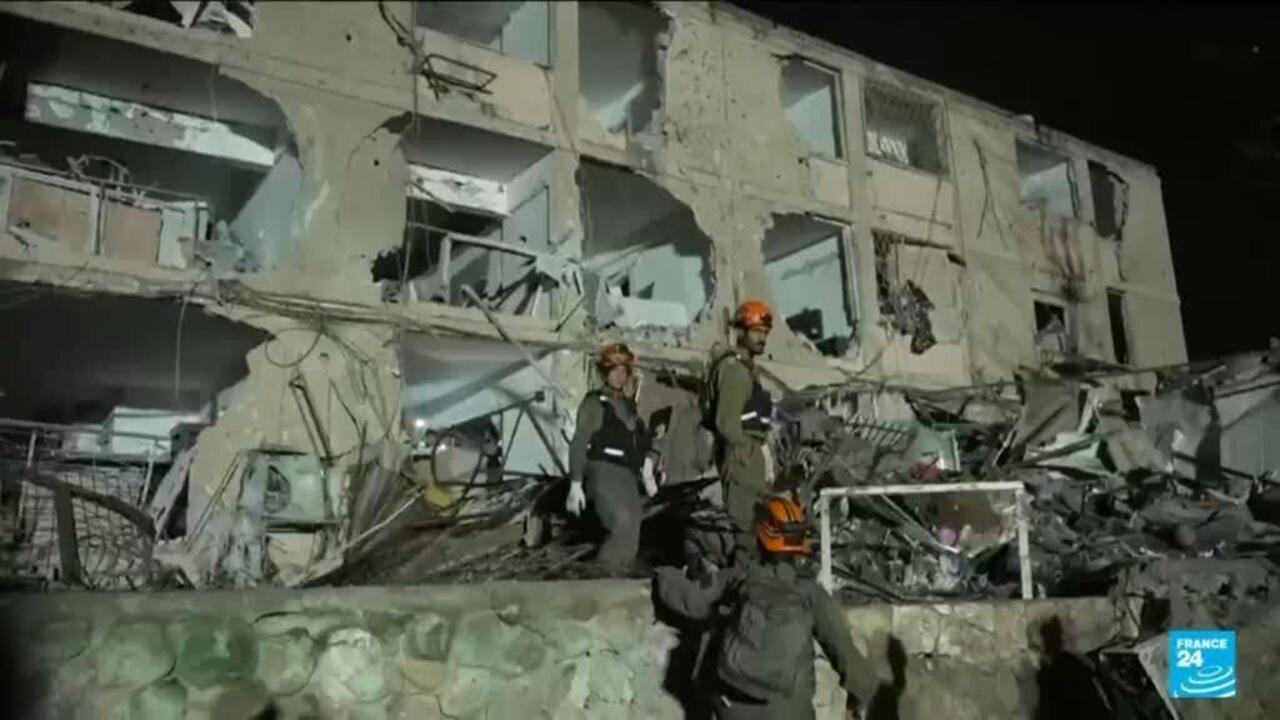
Iranian missile strikes on two southern Israeli towns wounded more than 100 people on Saturday, according to local medics who confirmed the casualties shortly after the initial explosions. The projectiles bypassed existing air defense systems, striking residential areas near the border and causing significant structural damage to nearby infrastructure. This escalation marks a critical development in the ongoing regional tensions that have persisted throughout the first quarter of 2026.
Direct hits tore open the fronts of residential buildings and carved deep craters into the ground, according to on-site reports from the affected municipalities. Emergency services were dispatched immediately to the impact zones to treat victims and stabilize the structural integrity of damaged buildings. Medical teams reported that the majority of injuries resulted from flying debris and structural collapse within the immediate vicinity.
Air defense units attempted to intercept the incoming projectiles but reportedly failed to neutralize all threats before they reached their targets. Defense analysts indicate that the saturation of the attack overwhelmed the current operational capacity of the interception systems in the region. This failure highlights a vulnerability in the current defensive posture against advanced ballistic capabilities.
The incident follows a pattern of increasing hostility between Tehran and Jerusalem that has intensified over the past twelve months of diplomatic friction. Regional security experts suggest that the strikes were intended to demonstrate military capability rather than achieve a strategic military objective on the battlefield. Diplomatic channels remain closed as both sides prepare for potential retaliatory measures in the coming days that could alter the security balance.
International observers have expressed deep concern regarding the potential for further escalation in the Middle East following this morning's events. The United Nations called for an immediate de-escalation of hostilities to prevent civilian casualties from rising further in the coming weeks. Global powers are urging restraint while monitoring the situation closely for signs of broader conflict involvement.
Financial markets reacted cautiously to the news, with energy traders watching closely for any disruption to oil supply chains in the region. Analysts warn that prolonged instability in southern Israel could impact shipping routes through the Red Sea and access to key energy resources critical for European and Asian economies. Volatility in oil prices is expected to increase if the conflict expands beyond the immediate border areas and threatens major transit hubs vital for global commerce.
Humanitarian organizations are mobilizing resources to support the displaced population in the southern towns that were directly affected by the bombardment. Local authorities have established temporary shelters for residents who were forced to evacuate their homes due to the safety risks posed by the ongoing conflict. Aid agencies are coordinating with the Israeli government to ensure essential supplies reach the affected communities immediately while medical teams treat the wounded.
The Israeli government has not yet confirmed specific details regarding the origin of the missiles but has condemned the attack as a violation of sovereignty. Military sources indicate that an investigation is underway to determine the exact trajectory and launch site of the projectiles used in the operation. Further details regarding the response strategy are expected to be released by officials later this evening.
Regional allies are reviewing their defense commitments following the breach, with some nations reassessing their intelligence sharing protocols with Tel Aviv. Intelligence reports suggest that the missile system utilized may have originated from a proxy group operating in a neighboring territory. The implications for regional security architecture remain significant as nations weigh their future strategic partnerships.
Investors and policymakers are now watching for developments that could signal a broader shift in the geopolitical situation of the Middle East. The stability of the region is crucial for global economic growth, and any major disruption could have ripple effects across international markets. The coming week will be critical in determining whether diplomatic efforts can prevent a wider war.