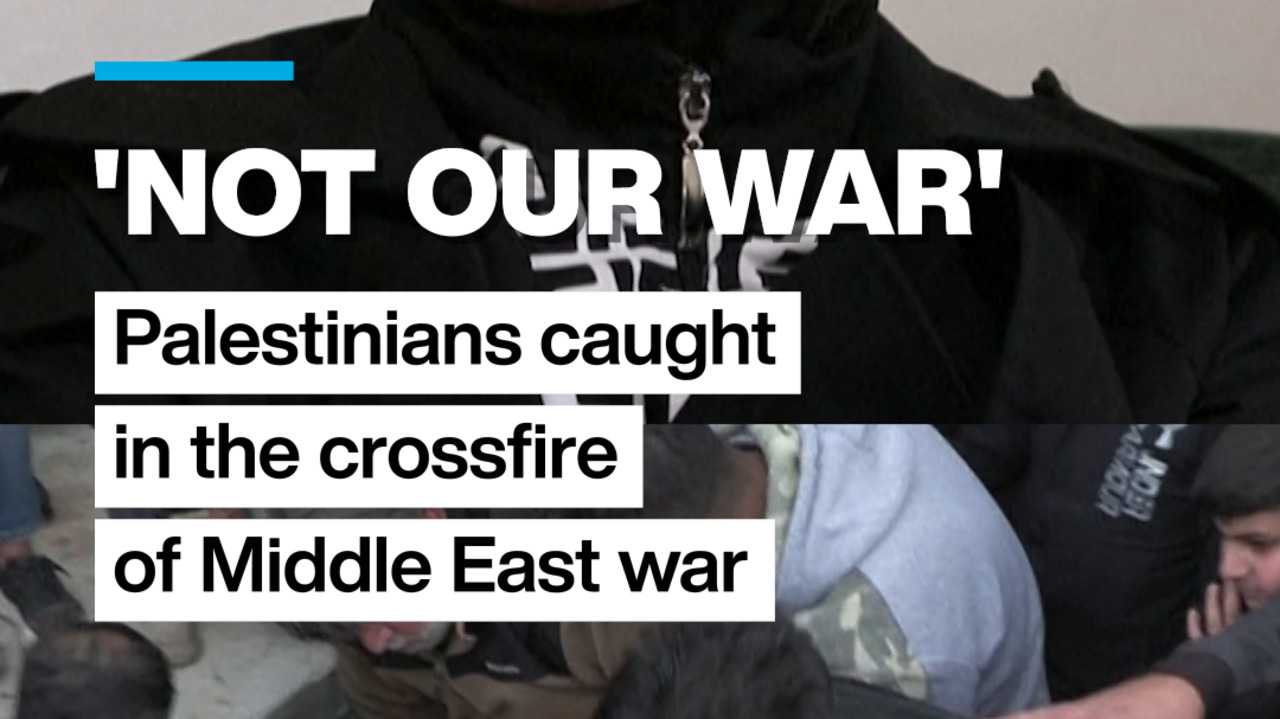
Four Palestinian civilians were killed in the occupied West Bank on Thursday following missile fire originating from the Islamic Republic of Iran. This incident marks the first confirmed Palestinian fatalities linked to the broader regional conflict that officially began on Feb. 28. France24 reported the strike occurred early in the morning, leaving local residents with little warning before the impact. The attack underscores the widening reach of hostilities into areas previously spared direct combat by the belligerents involved.
The missile strike targeted a densely populated residential area, causing significant structural damage to nearby buildings and infrastructure. Local authorities confirmed the death toll immediately after the impact was registered by regional defense systems and emergency services. Witnesses described hearing loud explosions before debris fell onto the occupied territory, creating panic among the neighborhood. No group has claimed responsibility for the specific launch at this time, complicating attribution for investigators.
This event represents a dangerous escalation in the security situation across the region, threatening existing ceasefire frameworks. Since the conflict started at the end of February, Palestinian casualties have been attributed primarily to ground operations and air raids. Direct fire from external state actors now introduces a new variable into the humanitarian crisis affecting the populace. The United Nations has expressed deep concern over the expanding scope of violence and the potential for civilian casualties.
Geopolitical analysts suggest this development signals a potential breakdown in existing containment strategies designed to limit collateral damage. Iran and Israel have exchanged fire in previous weeks, but Palestinian civilians were not the primary targets during those exchanges. The involvement of non-state actors or proxy forces remains a point of investigation for international intelligence agencies and security think tanks. Regional stability is now viewed as increasingly fragile by global markets and economic forecasting firms.
Economic implications of this escalation could impact trade routes through the Red Sea and Jordanian airspace, disrupting regional commerce significantly. Investors are monitoring the situation closely to assess risk exposure in the Middle East sector and adjust their portfolios accordingly. Disruption to logistics networks could exacerbate supply chain issues for neighboring countries dependent on transit corridors for goods. The World Bank has not yet revised its growth forecast for the region following this report, but warnings persist among analysts.
Diplomatic channels are reportedly active as nations seek to prevent further spillover of the conflict into neighboring sovereign states. France24 noted that regional leaders are calling for immediate de-escalation to save civilian lives and prevent further radicalization. The international community faces pressure to mediate before the violence spreads further and undermines long-term peace efforts. Future diplomatic efforts will depend heavily on the response from key military stakeholders and their command structures.
Humanitarian organizations are mobilizing resources to assist the affected families in the West Bank who have lost their homes. Aid groups warn that the infrastructure damage complicates access to essential medical supplies and emergency food distribution. The death toll could rise as medical teams assess injuries sustained during the initial blast and treat survivors. Local hospitals are operating at maximum capacity to handle the influx of patients requiring immediate surgical intervention.
Security experts warn that similar attacks could become routine if the current trajectory continues without intervention. The frequency of cross-border missile fire suggests a shift in the strategic calculus of the parties involved in the dispute. Monitoring agencies will track further movements to determine if the West Bank becomes a permanent frontline for the conflict. The situation remains fluid as military positions adjust to the new threats and the evolving tactical situation.
The international legal framework is being scrutinized regarding the rules of engagement in this volatile theater of operations. Human rights organizations are documenting the incident for potential future legal proceedings at international tribunals. Compliance with international humanitarian law remains a contentious issue among the warring parties and their respective allies. Accountability mechanisms are currently under pressure to address the violation of civilian safety protocols.
Long-term peace prospects appear dim as the cycle of retaliation continues to deepen the divide between the opposing factions. Economic sanctions and diplomatic isolation could follow if further aggression is detected by the global community in the coming weeks. The situation requires immediate attention from the United Nations Security Council to prevent a full-scale regional war. Stakeholders must prioritize de-escalation to avoid irreversible damage to the region's stability and economy.