Iranian families are experiencing deep fractures as regional tensions escalate following recent military strikes. Reports indicate domestic rifts are mirroring the broader geopolitical conflict between Tehran and Western powers. These divisions threaten social cohesion within households previously united by cultural traditions. The situation highlights the human cost of the ongoing instability in the region.
Sina, a young man near Tehran, recounted a confrontation where his uncle, a Basij member, refused to greet his sister. The uncle reportedly stated the sister was no longer his sibling due to her opposition to the ruling regime. > "He said to her: 'You're no longer my sister'," Sina said. Sina noted the uncle left the gathering early after the heated exchange.
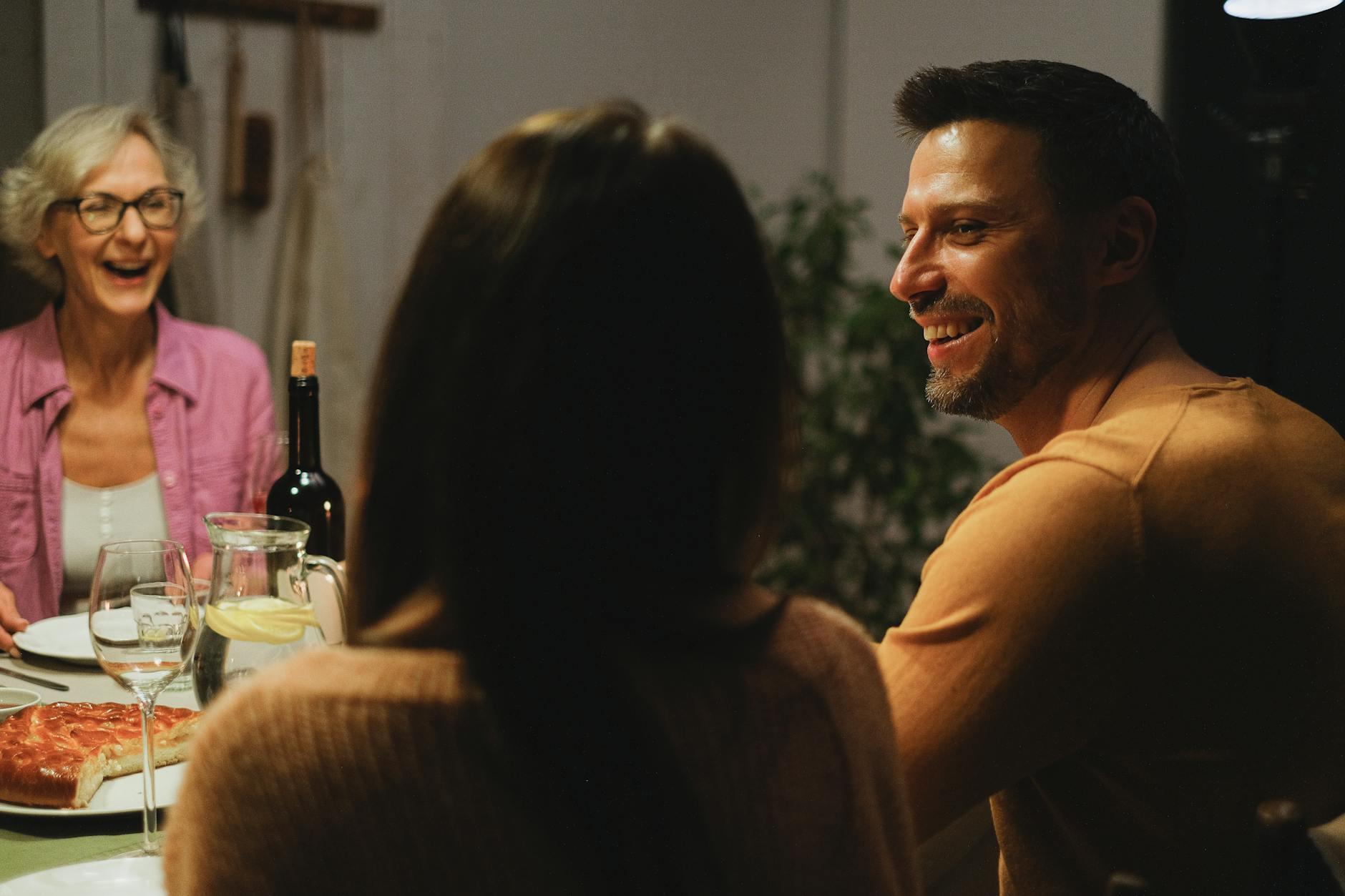
The conflict disrupted the Nowruz festival, a time traditionally reserved for family reconciliation. Relatives gathered at a grandmother's house only to face emotional explosions over political allegiances. Sina described the atmosphere as filled with fear and helplessness among the elders. This incident reflects the broader polarization affecting the nation.
Key Details
Technology access has become another flashpoint for domestic disputes. Kaveh, a Tehran resident, used Starlink devices to maintain internet connectivity despite government blackouts. His sister disconnected the equipment, leading to a permanent rift between the siblings. Owning Starlink terminals is punishable by up to two years in prison.
Casualty figures highlight the human cost of the escalating violence. The International Federation of Red Cross and Red Crescent Societies estimates 1,900 people have died in Iran. HRANA reports a higher toll, placing the total at over 3,400 individuals. More than 1,500 of these deaths were civilians according to the data.
Political ideologies further complicate family dynamics across generations. Maral, a student in Rasht, clashes with her father over his support for Reza Pahlavi. She argues her father ignores civilian casualties in favor of optimistic regime change narratives. Her father often argues with her mother about Pahlavi's influence.
What This Means
Public sentiment appears to be shifting as the war continues. Tara, a woman in Tehran, noted her family initially supported the strikes but softened their stance. Her sister now expresses a desire for the conflict to end quickly after witnessing nearby damage. Despite their differences, the family still try to go everywhere together.
These internal divisions pose significant risks to the stability of the Iranian state. The government faces not only external pressure but also internal fragmentation among its critics. Analysts suggest these fractures could impact future protest movements or political transitions. Such internal discord weakens the state's ability to respond to external threats.
Observers will watch how these social rifts evolve as the military situation develops. Continued casualties may further erode support for external intervention among the general population. The long-term impact on Iranian society remains a critical variable for regional stability.