Heightened public rhetoric between Washington and Tehran is reportedly raising the spectre of military conflict, according to recent international assessments. Former President Trump, in particular, has frequently issued threats regarding potential US intervention should Iran resume specific nuclear activities. These statements underscore the fragility of the current geopolitical equilibrium in the Middle East.
Reports confirm that the recent nationwide demonstrations within Iran, initially sparked by economic hardship and political controls, have reportedly subsided in intensity. This internal shift may influence the external calculus of both Iranian leadership and Western security planners. The abatement of street protests removes one immediate pressure point that had previously drawn sharp US commentary.
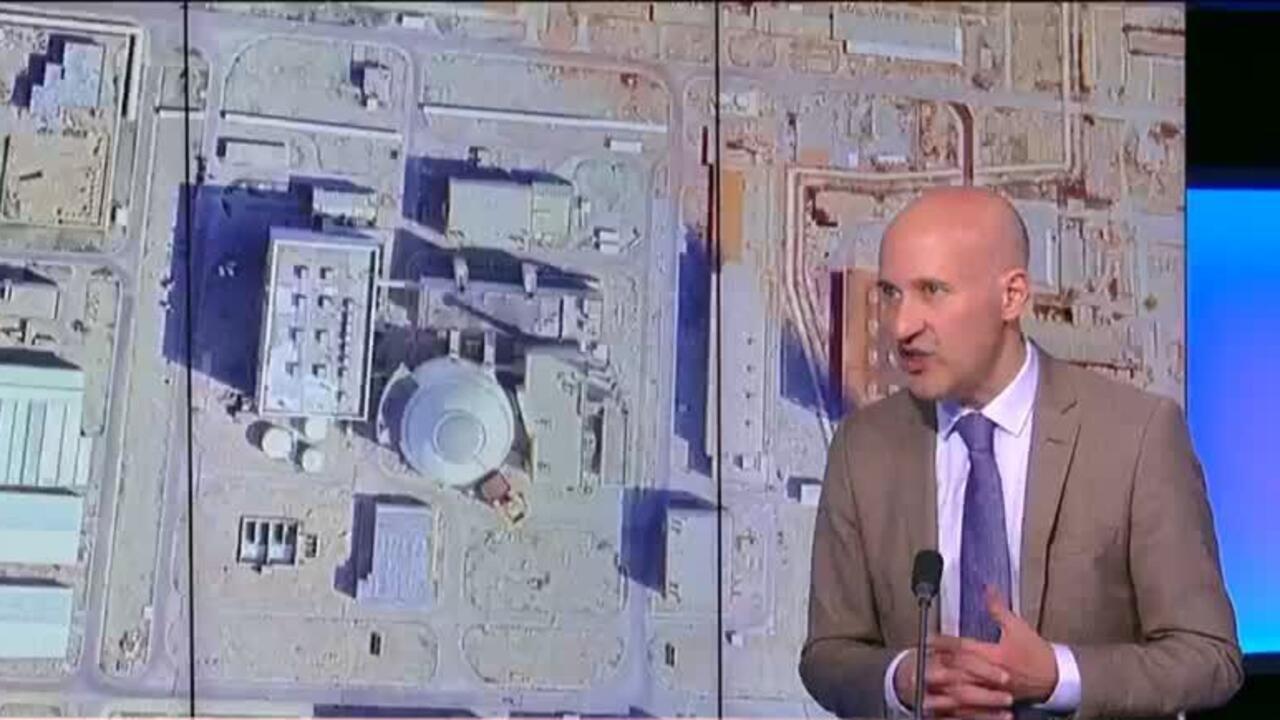
However, the core dispute over Tehran’s nuclear program persists as a major flashpoint for international security. Specific threats have been issued regarding potential US action if Iran is perceived to be advancing its nuclear material processing beyond agreed-upon limits. Iran, in response, has maintained a posture of readiness to retaliate against any hostile action against its interests.
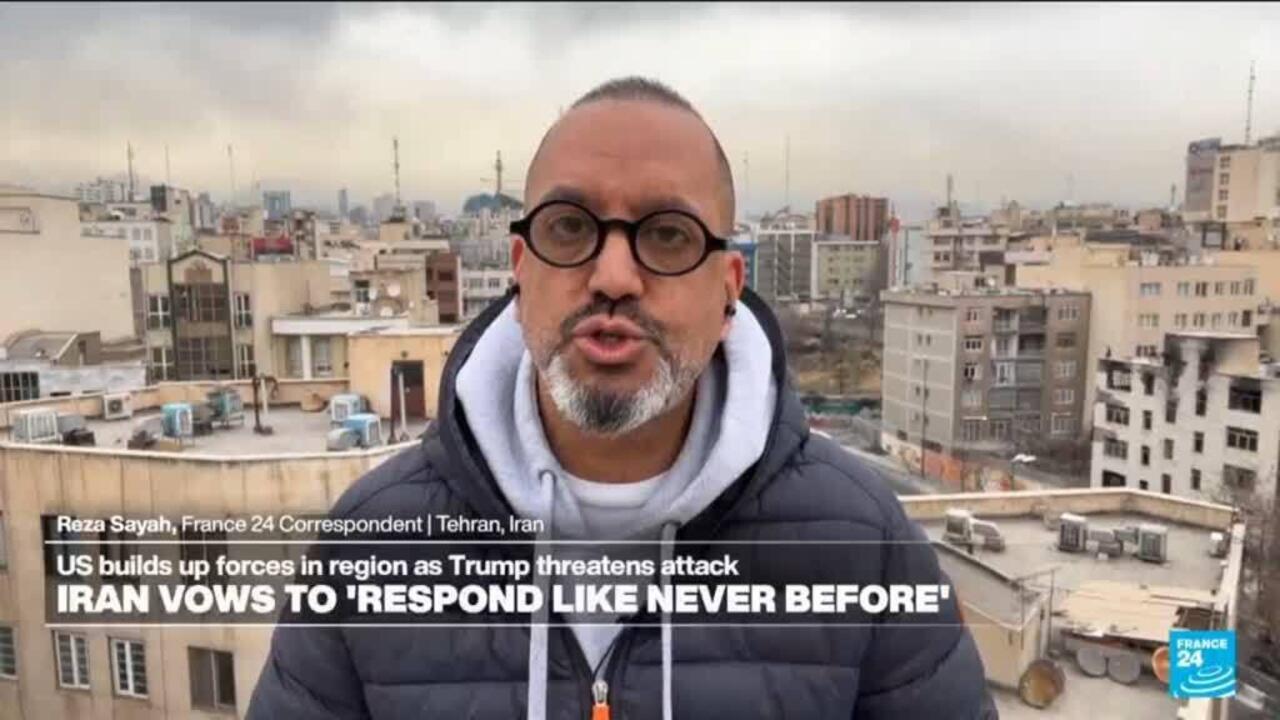
Despite the confrontational public posturing, crucial communication lines remain operational, according to analysis provided by FRANCE 24's Reza Sayah reporting from Tehran. Both the United States and Iran are reportedly maintaining contact through established third-party intermediaries. This reliance on back channels is a common feature during periods of extreme bilateral tension.
These intermediary talks are vital for de-escalation management, preventing miscalculation that could rapidly trigger a wider conflict. The specific nature and frequency of these back-channel discussions remain closely guarded secrets by the nations involved. Maintaining these conduits signals a mutual, if understated, desire to avoid direct military engagement.
The ongoing duality—public antagonism paired with private diplomacy—is characteristic of the relationship between the two nations since the severance of formal diplomatic ties. Geopolitically, this situation necessitates close monitoring by regional allies who stand to be most affected by any kinetic escalation.
For global markets, the persistent risk premium associated with this standoff affects energy prices and international shipping insurance rates. The economic implications of any miscalculation between Tehran and Washington extend far beyond the immediate region, impacting global commodity flows.