Iran has officially claimed responsibility for a missile strike on the city of Dimona, where a nuclear installation is located. This action serves as retaliation for the recent bombing of the Natanz uranium enrichment complex. Global markets reacted immediately, with crude oil prices rising sharply in response to the threat of further disruption.
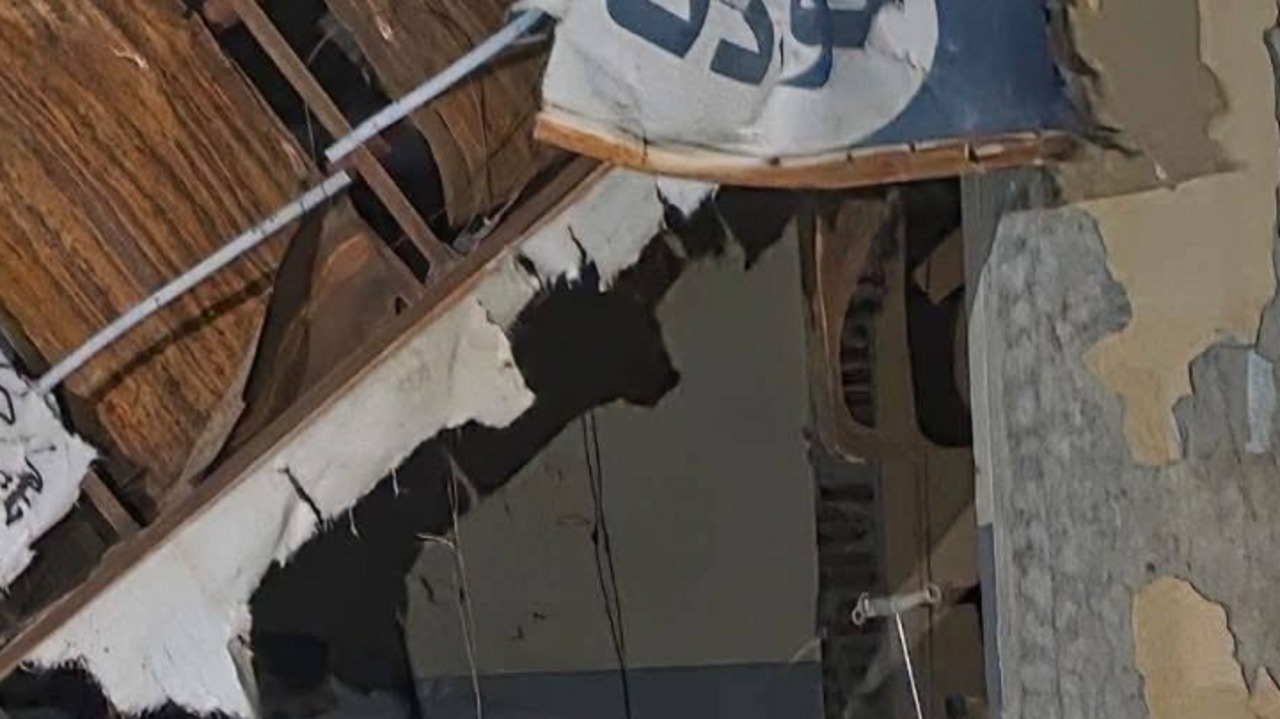
Israeli authorities confirmed that one building sustained a direct hit from an Iranian missile, resulting in dozens of injuries. Debris and shrapnel damaged the structure extensively, according to local officials. Television footage showed the facade of the facility appearing heavily breached and scarred by the impact.
Israel maintains a policy of strategic ambiguity regarding its nuclear capabilities, neither confirming nor denying the existence of an arsenal. The Dimona site is officially designated as a research center for energy supply and nuclear study. Foreign press reports have previously suggested the facility contributed to atomic weapon production over the last few decades.
The United States military stated it destroyed an Iranian bunker threatening shipping lanes in the Strait of Hormuz. Admiral Brad Cooper of Central Command confirmed that aircraft eliminated a subterranean installation storing cruise missiles. This operation aimed to restore freedom of navigation in the critical waterway used by global trade.
Mexican economic planners are closely monitoring the surge in Brent crude, which climbed more than 50% in one month. State oil company PEMEX could see increased revenue, but domestic inflation risks rise significantly for consumers. Higher fuel costs impact transportation and manufacturing sectors across the nation, potentially affecting the peso.
Iran has blocked access to the Strait of Hormuz, a route through which approximately 20% of world oil and gas passes. A coalition of nations including the United Arab Emirates and the United Kingdom has offered to assist in reopening the channel. This blockade poses a direct risk to energy security for major importing economies worldwide.
Regional tensions have expanded to include attacks on the British and American base at Diego Garcia, located 4,000 kilometers away. Russia accused the United States and Israel of risking a catastrophe across the entire Middle East region. The Organization for International Atomic Energy has called for military moderation to prevent nuclear accidents.
Leadership changes within Iran’s government add uncertainty to the conflict trajectory. Supreme Leader Ali Khamenei reportedly died during the war, replaced by his son Mojtaba Jamenei. Mojtaba has not appeared publicly since his appointment, including the Eid al-Fitr prayers traditionally led by the supreme leader.
President Donald Trump indicated that the United States is near achieving its objectives and plans to gradually reduce military efforts. However, he ruled out a ceasefire while Israeli Defense Minister Israel Katz promised increased intensity in coming days. Experts predict the fighting could continue for another four to six weeks without resolution.
The broader implications include sustained pressure on global energy reserves and potential shifts in Latin American energy policy. Mexico and the European Union are considering adjustments to gas storage targets to mitigate price volatility. Investors will monitor developments in the Persian Gulf for signs of de-escalation or further escalation.