Tensions between the United States, Israel, and Iran have reached a critical point, severely impacting the Strait of Hormuz. This strategic waterway is now choking global energy and fertiliser flows, creating immediate market instability. The disruption threatens food security worldwide as supply chains face significant strain and inflation risks for global consumers.
According to France24, the conflict has halted the passage of essential agricultural inputs through the region. Shipping routes remain dangerous, forcing vessels to reroute or halt operations entirely. Industry analysts warn that delays could persist for weeks without diplomatic intervention. Supply chain managers are actively seeking alternative logistics networks to mitigate losses. Shipping insurance premiums are already increasing for vessels in the area.
The Strait of Hormuz handles approximately 20% of the world's petroleum consumption and significant fertilizer shipments. A blockage here historically triggers global price spikes for energy and food commodities. Current disruptions echo similar events seen during previous regional escalations. Experts note that the interdependence of energy and agriculture makes this sector uniquely vulnerable.
Carlos Razo from the UN Conference on Trade and Development highlighted the disproportionate risk for developing nations. He stated that the poorest economies will face the most severe consequences from rising input costs. This dynamic could exacerbate existing social and economic instability in vulnerable regions. International aid organisations are monitoring the situation closely for humanitarian needs. Developing nations lack the fiscal buffer to absorb such external economic shocks.
Markets are already reacting to the heightened geopolitical risk with increased volatility. Oil prices have risen sharply, while fertiliser costs are climbing in anticipation of future shortages. Traders are closely monitoring the situation for any signs of escalation or resolution. Financial instruments linked to energy and agriculture are showing heightened sensitivity to news updates.
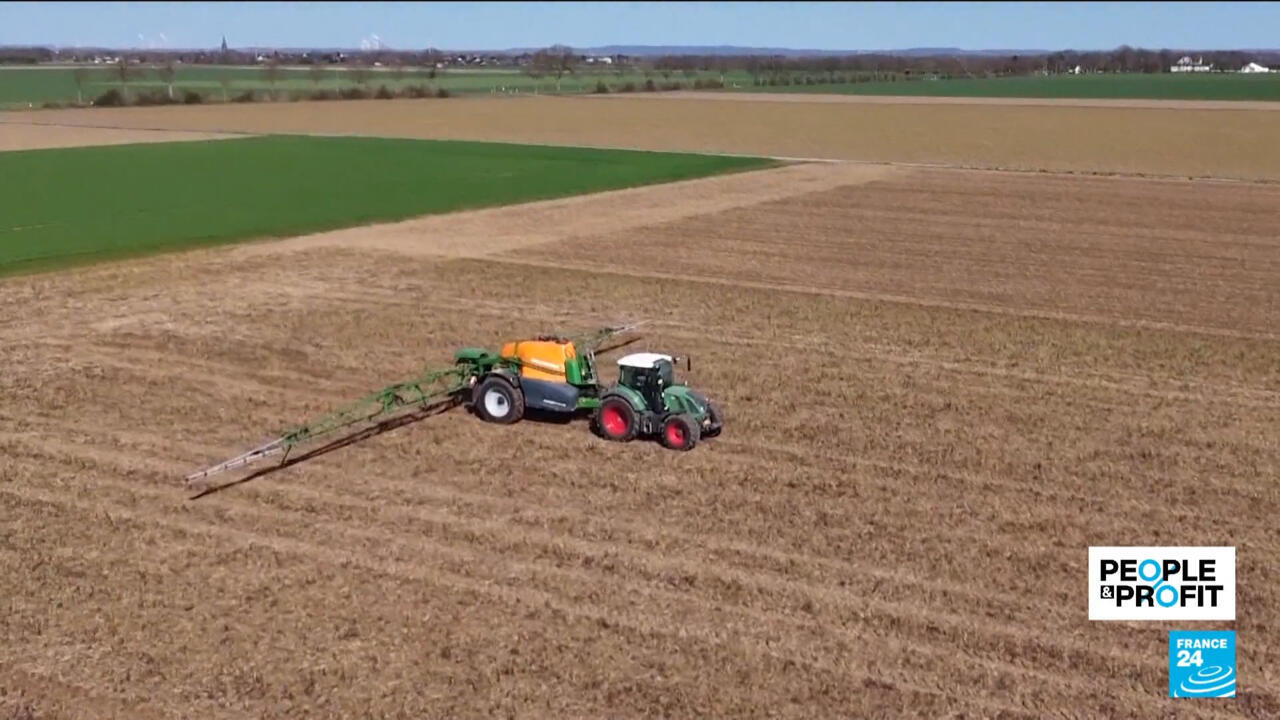
The threat of widespread inflation looms large over global food prices. Farmers rely heavily on imported fertilisers to maintain crop yields during the growing season. Supply chain interruptions could lead to reduced harvests and higher grocery bills for consumers. Economic forecasters are revising growth projections downward due to these external shocks.
This situation mirrors the 2019 tanker attacks in the Gulf, which disrupted global shipping significantly. However, the current involvement of major powers like the United States suggests a higher level of geopolitical stakes. International observers are calling for de-escalation to prevent long-term damage to trade. The stakes extend beyond commerce into regional stability and global food availability.
Governments in the Middle East and beyond are reviewing their strategic reserves and alternative routes. Diversification of supply sources remains a long-term goal but offers no immediate relief. The window for diplomatic resolution appears to be narrowing rapidly. Strategic petroleum reserves may be released to stabilize energy markets temporarily. Nations dependent on imports are coordinating emergency stockpiling measures.
Investors are watching for policy responses from the United Nations and other international bodies. The stability of global commerce depends heavily on the reopening of this critical maritime corridor. Failure to secure safe passage could alter economic forecasts for the remainder of 2026. Continued monitoring is essential for stakeholders across all affected industries.