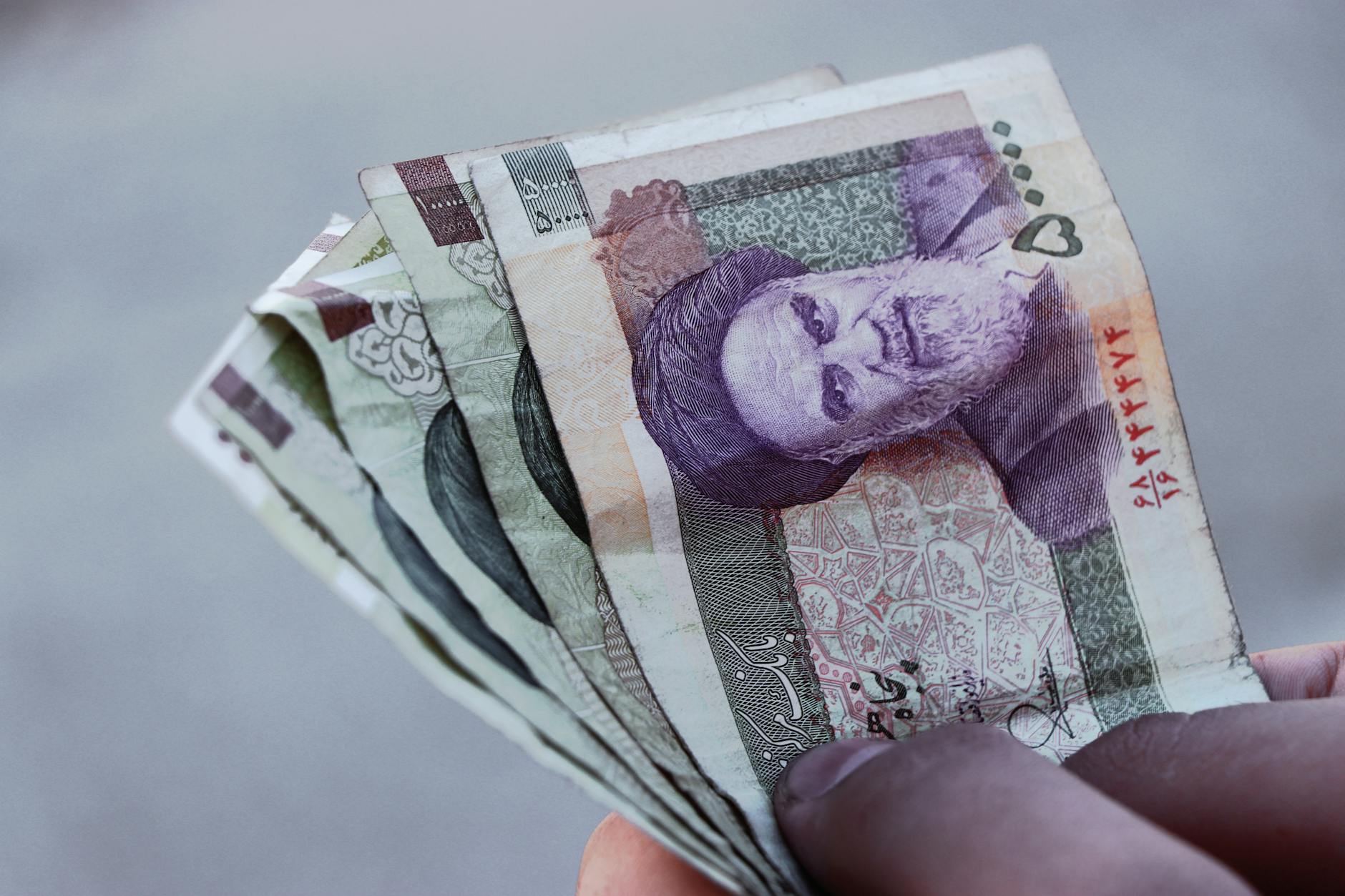
The Iranian rial has plummeted to approximately 1.56 million units against the US dollar on the open market as of March 20, 2026. This collapse coincides with nearly three weeks of active conflict that has severely disrupted Tehran's Grand Bazaar. Economic strain and war-driven price surges are forcing merchants to close their doors across the capital.
Data indicates the currency has lost roughly 57% of its value over the past six months according to market observers. Rates ranged from 800,000 to one million in September 2025 before climbing to the current levels. This depreciation marks a significant acceleration in the devaluation trend affecting the region.
Annual inflation currently sits between 46% and 48% according to Trading Economics data for the quarter. Point-to-point inflation has reached as high as 68% due to supply chain disruptions caused by hostilities. Families struggle to afford staples like bread, milk, and fuel amidst these rapid price hikes. The cost of living has become unmanageable for many households.
The Grand Bazaar, once a bustling hub of commerce, now features shuttered shops and empty alleyways throughout the district. Traders report they cannot continue business operations due to erratic pricing and lack of inventory. The visual emptiness reflects the broader economic paralysis gripping the Iranian capital.
Structural weaknesses underpin this crisis, as the national economy relies heavily on oil income for fiscal stability. International sanctions have restricted access to global markets and credit lines for many years prior to the conflict. State-owned enterprises dominate key segments without sufficient investment in domestic manufacturing capacity. These factors create a fragile financial foundation.
The government has utilized inflationary funding to offset budget deficits, which has exacerbated the problem significantly. Authorities print currency to cover shortfalls, which further devalues the rial against foreign reserves. Import restrictions have pushed prices higher for foreign goods entering the domestic market. This monetary policy lacks long-term sustainability.
Social unrest has intensified throughout Iran's largest cities recently following the onset of the military engagement. Protests against rising costs have increased in size and frequency since the conflict began three weeks ago. Wages remain stagnant while unemployment stays high among the urban workforce.
Energy sector revenues have been upended by the inability to export oil to traditional international partners. This affects government finances and its ability to invest in new ventures or infrastructure projects. Global energy prices also contribute to inflation elsewhere in the international system.
Analysts warn that inflation and currency weakness will likely persist after the conflict ends without policy changes. Substantial changes to economic policy are necessary to reverse the current negative trend. Without reform, challenges will not ease for the general population. Economic forecasts suggest prolonged volatility.
Average Iranians will continue to bear the brunt of rising prices and instability throughout the coming months. The government must implement structural reforms or gain sanction relief to stabilize the economy effectively. The situation remains critical for domestic stability and regional security.