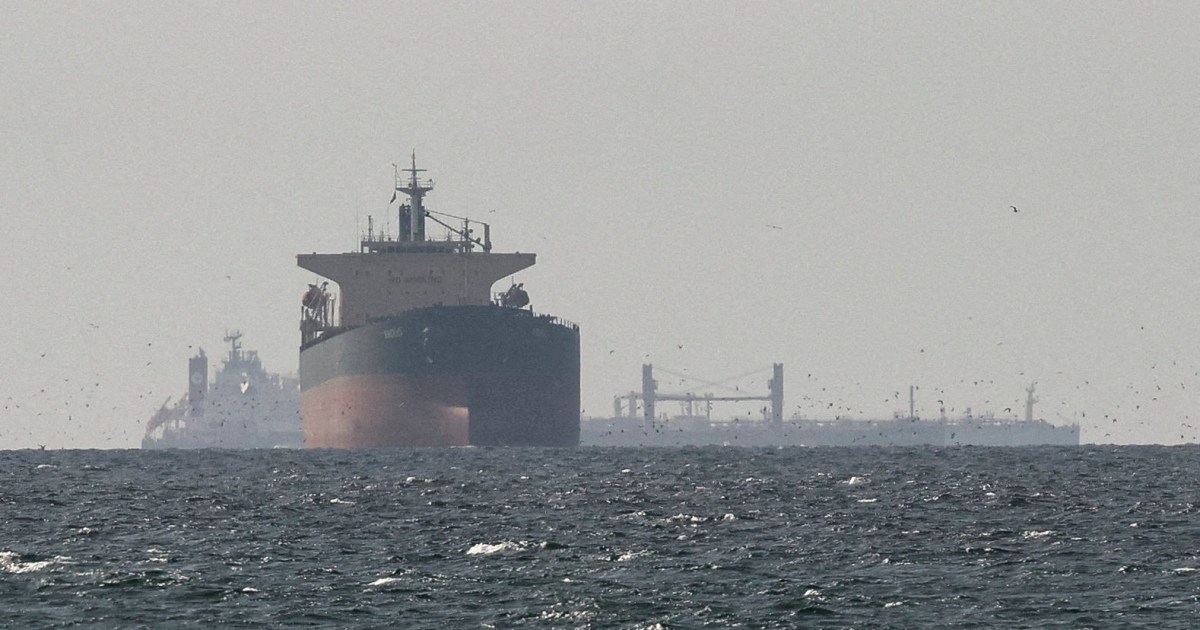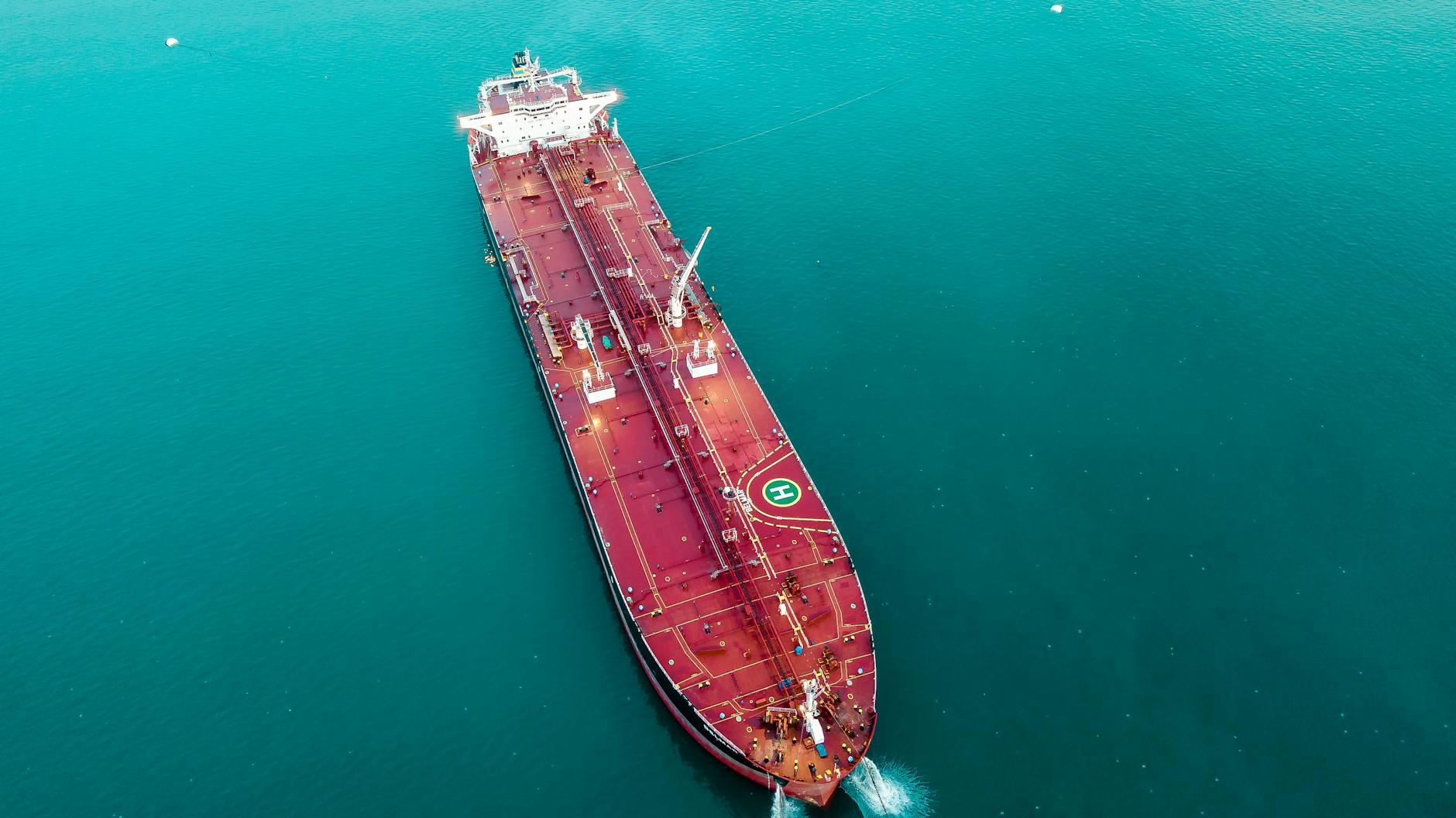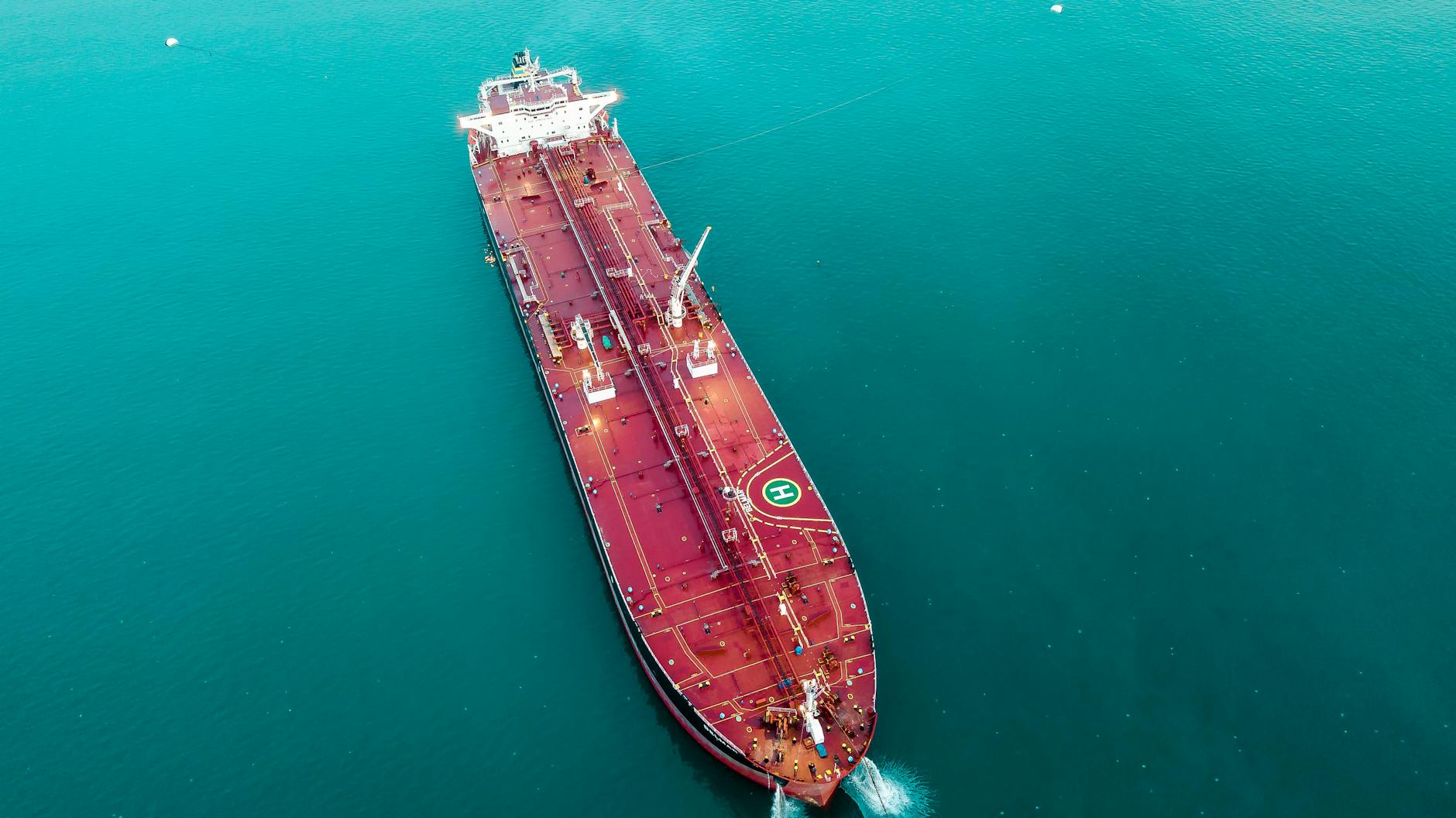
Tehran officials have ceased discussing the potential reopening of the Strait of Hormuz as they prioritize national survival following a sustained offensive. The situation marks a significant escalation in regional tensions that threatens global energy flows directly. This shift comes as commercial shipping attempts face increasing delays due to ongoing hostilities in the area. Sources indicate the government is currently focused on defense rather than diplomatic engagement.
Energy infrastructure has suffered direct attacks alongside strikes on high-profile figures, including the recent killing of security chief Ali Larijani. Bloomberg reported that Iranian officials remain reluctant to negotiate reopening routes while under immense pressure. These events are slowing attempts to restore commercial ship movement in the critical waterway significantly. The targeting of leadership figures signals a strategic pivot toward decapitation of command structures.
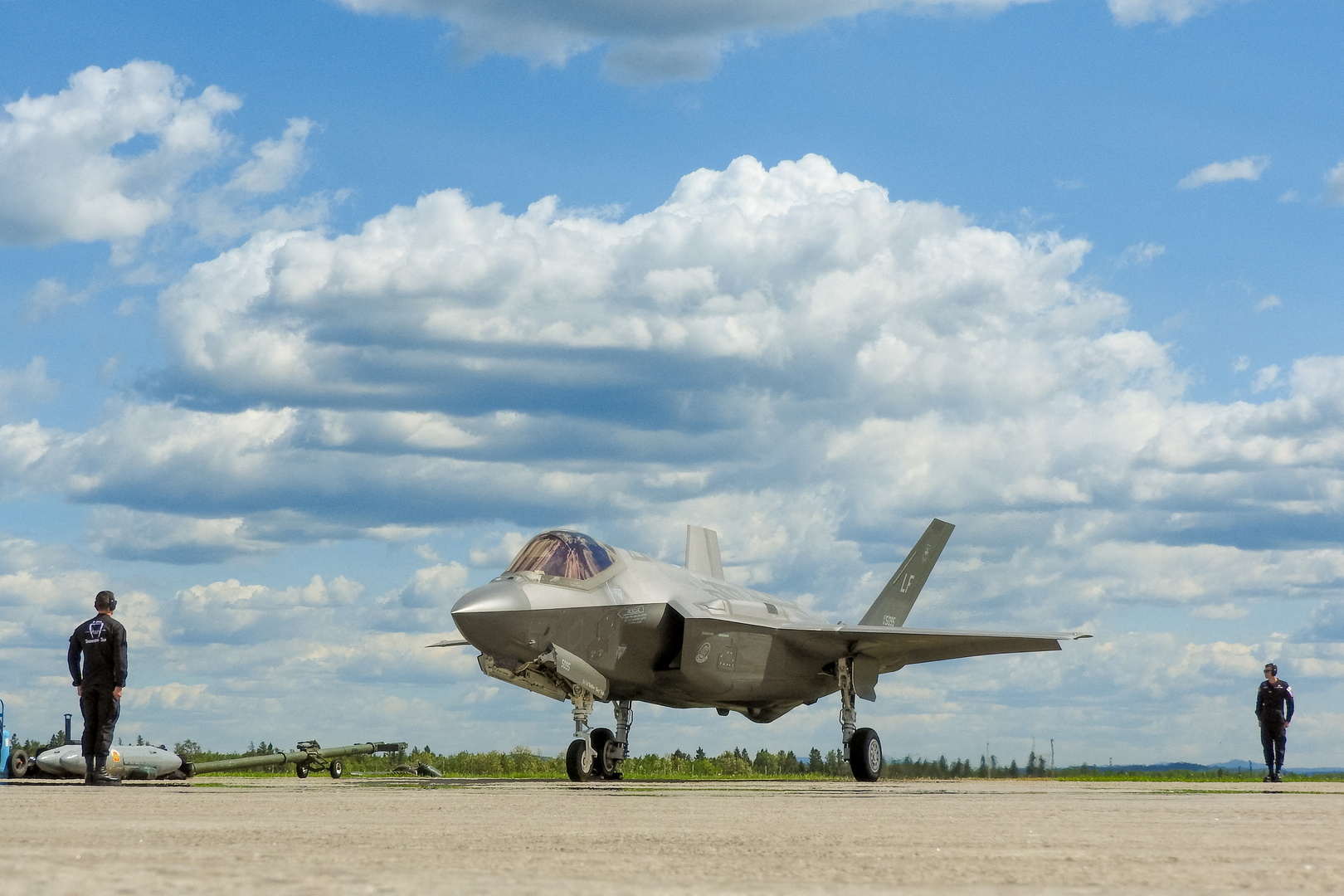
The Pentagon has responded by deploying three warships and another 2,500 Marines to the Middle East immediately. This represents the second such deployment in just one week according to multiple reports from Washington. The move signals a continued commitment to securing the region against potential threats from state actors. This rapid mobilization underscores the urgency perceived by Washington regarding regional stability.
Congress has granted the president wide latitude to wage war on Iran without specific approval or limits. This legislative deference allows for rapid military responses without immediate congressional limits being enforced. Analysts note this shift represents a significant change in executive authority over foreign policy decisions. Such power allows the administration to act swiftly without the traditional checks and balances.
President Trump previously noted it would take 10 years for Iran to rebuild following the offensive. He asserted that toppling the theocratic leadership remains a primary objective for the administration. Such statements suggest a long-term strategy rather than a quick resolution to the conflict. This timeline implies a prolonged period of reconstruction and political restructuring for the nation.
Global oil markets react to the potential closure of the Strait with heightened volatility and fear. Analysts warn that even the threat of disruption can impact pricing significantly across global exchanges. The combination of sanctions and military action creates a complex environment for energy trade. Investors are closely monitoring supply chains to assess potential risks to global liquidity.
Vice President JD Vance is scheduled to visit Hungary before the country’s pivotal April 12 elections. This diplomatic effort aims to strengthen alliances within the region amidst rising tensions. Political support remains crucial for sustaining international coalitions during the crisis. Securing European backing is essential for maintaining pressure on Tehran through coordinated sanctions.
The administration faces a contradiction in easing sanctions to stabilize oil markets while simultaneously conducting offensive operations. Experts suggest this policy inconsistency could confuse international partners and traders alike. The situation requires careful navigation to prevent further economic destabilization. Balancing humanitarian needs with military objectives remains a difficult challenge for policymakers.
Future developments will likely depend on whether diplomatic channels remain open or if military action intensifies. Markets will watch for any announcements regarding the Strait of Hormuz status closely. The coming weeks will define the trajectory of US-Iran relations significantly. Any miscalculation could lead to unintended consequences for the broader international security architecture.
Trump reversed his position on Rep. Jeff Hurd, indicating a volatile political environment within the United States government. However, this domestic volatility does not alter the immediate security concerns in the Middle East. The focus remains on stabilizing the region to protect economic interests. Domestic political shifts often lag behind the immediate demands of foreign policy crises.