Iran’s leadership structure has remained resilient despite recent targeted strikes against senior officials. Experts warn that the regime continues to exert significant influence across the Persian Gulf region. The Strait of Hormuz remains a critical flashpoint for global energy security in the current year. This tension threatens to disrupt the steady flow of crude oil exports from the Middle East.
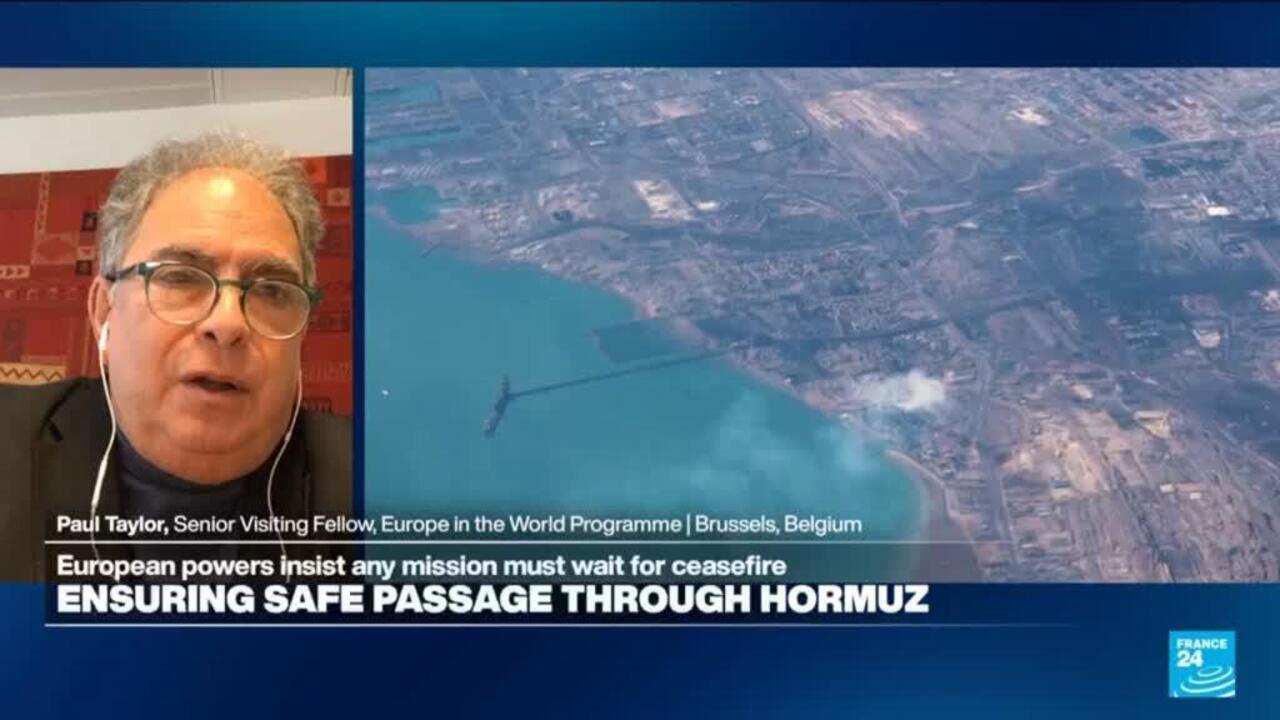
Paul Taylor, a senior visiting fellow, analyzed the situation in a recent media appearance regarding the conflict. He noted that traditional military force does not guarantee safety in this specific theater of operations. Decentralized command structures allow Iranian forces to maintain operational readiness during prolonged crises. These asymmetric tools include unmanned aerial vehicles and naval mines deployed by proxy groups.
The blockade presents unique challenges compared to conventional warfare scenarios in the region. Reopening the waterway requires diplomatic solutions rather than simple logistical fixes. Military strikes alone cannot resolve the underlying political grievances driving the conflict. Negotiations must address the security concerns of all regional actors involved.
Global markets reacted swiftly to reports of increased naval activity in recent days. Brent crude prices surged following announcements of restricted shipping lanes in the south. Insurance premiums for vessels transiting the Persian Gulf have risen significantly. Traders anticipate potential delays in supply chains affecting winter demand.
Historical precedents suggest that economic pressure often accelerates regional instability. Previous sanctions failed to dismantle the political hierarchy in Tehran over the last decade. The current strategy relies on containment rather than regime change efforts. This approach has allowed the government to consolidate internal power.
The United States maintains a significant naval presence in the vicinity of the strait. Washington seeks to balance deterrence with de-escalation efforts to prevent escalation. Regional allies are concerned about the long-term stability of energy routes. European nations are seeking alternative fuel sources to reduce dependence.
Taylor emphasized that the conflict is fundamentally political in nature according to the interview. He argued that technical solutions would fail without diplomatic engagement from all sides. The international community must prioritize dialogue over military confrontation to ensure safety. Sanctions remain a key lever for influencing state behavior effectively.
Future developments will depend on the willingness of Tehran to negotiate terms. The coming month will test the resilience of global supply networks significantly. Investors are monitoring the situation closely for signs of further escalation. Continued uncertainty could drive energy costs to record levels this quarter.
According to France 24, the discussion occurred on March 20, 2026, highlighting the ongoing relevance. The program featured insights from the Defence Security EUrope project regarding regional threats. Viewers heard direct commentary on the limitations of kinetic military responses. The interview underscored the complexity of the geopolitical standoff.
Analysts suggest that a prolonged standoff could reshape trade routes permanently. Alternative pipelines and energy corridors are under review by major consumer states. Shipping companies are diversifying routes to mitigate risk exposure in the short term. The situation remains fluid as diplomatic channels attempt to stabilize the region.