Iran Protests: Death Toll Soars as Security Forces Deploy Snipers
Verified footage reveals bodies piled in hospitals and rooftop snipers as Iran's deadly crackdown on protesters intensifies, with death tolls potentially exceeding 25,000.
Iran Protests: Death Toll Soars as Security Forces Deploy Snipers
Publicidad
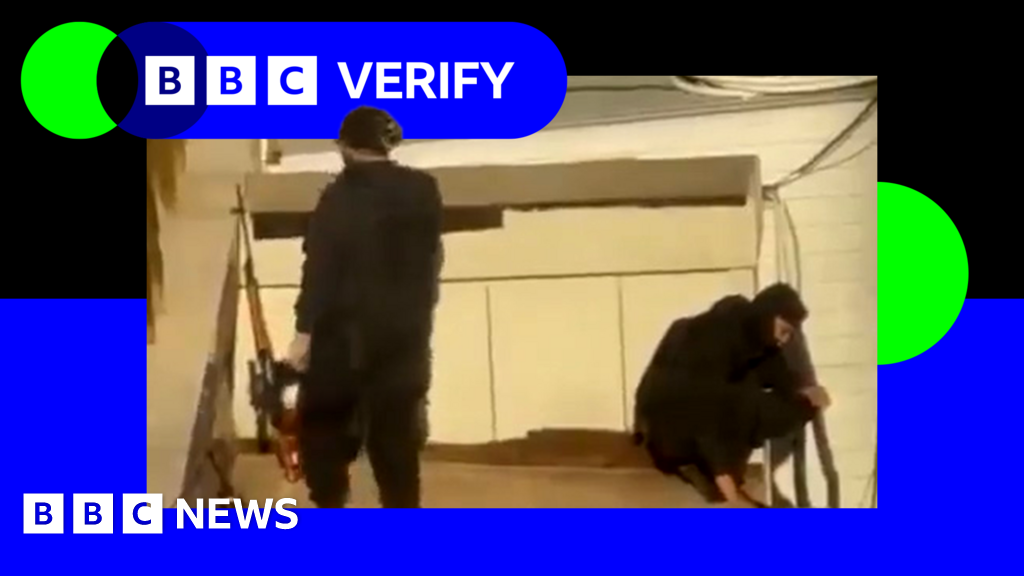
Newly verified video evidence from Iran reveals the devastating scale of the government's crackdown on protesters, with footage showing bodies piled in hospital morgues and security forces deploying snipers on rooftops across major cities.The videos, authenticated by international media outlets, were filmed during what appear to be the deadliest nights of protests on January 8-9, following calls for nationwide demonstrations by Reza Pahlavi, the exiled son of Iran's former Shah.Footage from Tehranpars hospital in eastern Tehran shows at least 31 bodies stacked in a single mortuary, with additional clips revealing seven body bags outside the facility's entrance. The hospital's location was verified through architectural matching with publicly available imagery.The death toll from the unrest, which began in late December, remains disputed. The US-based Human Rights Activists News Agency (HRANA) has confirmed nearly 6,000 deaths, including 5,633 protesters, while investigating an additional 17,000 reported casualties. The Norway-based Iran Human Rights organization warns the final count could exceed 25,000.Iranian authorities acknowledge over 3,100 deaths but claim the majority were security personnel or bystanders killed by what they term "rioters."Security forces have deployed increasingly aggressive tactics, with verified footage showing snipers positioned on building rooftops in Mashhad, Iran's second-largest city. Additional videos from Kerman reveal uniformed personnel firing weapons continuously while advancing down city streets.The protests have spread across at least 71 towns and cities nationwide, though the true extent remains unclear due to a near-total internet blackout imposed since January 8. Some protesters have managed brief online access through satellite internet services and virtual private networks.Economic pressures are mounting as the internet shutdown disrupts commerce and communication, potentially forcing authorities to restore connectivity despite security concerns. The blackout has severely hampered documentation of the government's response, though more evidence is expected to emerge as technical workarounds spread.The current unrest represents the most significant challenge to Iran's government since the 1979 revolution, with implications extending far beyond the country's borders as regional powers monitor the situation closely.Source: BBC News analysis and verification