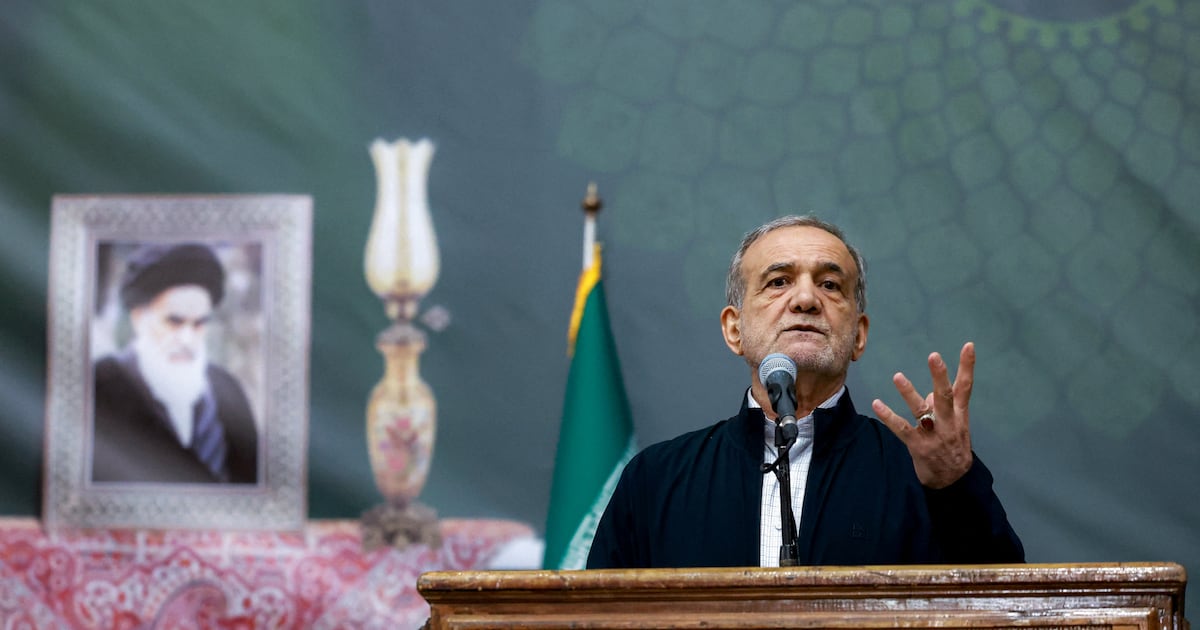
Iran President Masoud Pezeshkian told the European Union that his country is willing to halt regional conflict provided there are guarantees against future strikes. This statement followed a telephone conversation with European Council President António Costa on Wednesday. Pezeshkian emphasized Teherán's desire to end the war under specific security conditions.
Key Details
According to European sources in Brussels, the Iranian leader reiterated his position during the call. Pezeshkian stated his country possesses the necessary will to stop the fighting if attacks cease. This condition mirrors previous diplomatic efforts to stabilize the Middle East region.
Pezeshkian stated his country possesses the necessary will to stop the fighting if attacks cease. He elaborated on this position during the interview with public television. > "Teherán has the necessary will to end this war, under the condition that there are guarantees that attacks will not be repeated," the Iranian leader said. This condition mirrors previous diplomatic efforts to stabilize the Middle East region.
The dialogue comes amid heightened tensions following bombings by the United States and Israel on Feb 28. Iranian media reported that Teherán threatened retaliation against nearly 20 US companies. These targets included technology firms like Microsoft and Apple alongside financial institutions.
What This Means
The White House responded to the threats by stating the US military remains prepared to stop any Iranian aggression. This stance reinforces Washington's commitment to protecting its interests in the region. Analysts suggest this posture aims to deter escalation while diplomatic channels remain open.
António Costa urged all parties to practice restraint and protect civilian infrastructure. The European Council emphasized the need for respect for international law during the discussion. Brussels seeks to prevent a broader conflict that could disrupt global energy markets.
Security guarantees remain a critical hurdle for de-escalation in the Middle East. Past agreements often fail when underlying security concerns are not addressed. The current standoff highlights the fragility of regional stability. Historical precedents suggest that verbal commitments alone rarely sustain peace without verification mechanisms.
Energy sector analysts warn that prolonged instability could impact oil prices significantly. The region accounts for a substantial portion of global crude exports. Any disruption to shipping lanes would trigger immediate economic repercussions worldwide. Investors are currently monitoring crude futures for volatility signals.
What Comes Next
Diplomatic efforts will likely intensify in the coming weeks to secure a lasting ceasefire. The European Union may propose a framework for security assurances. Success depends on whether both sides accept the proposed conditions.
International observers will track the situation closely for signs of de-escalation. Any breakthrough could stabilize global markets significantly. Failure to reach an agreement risks prolonged instability.