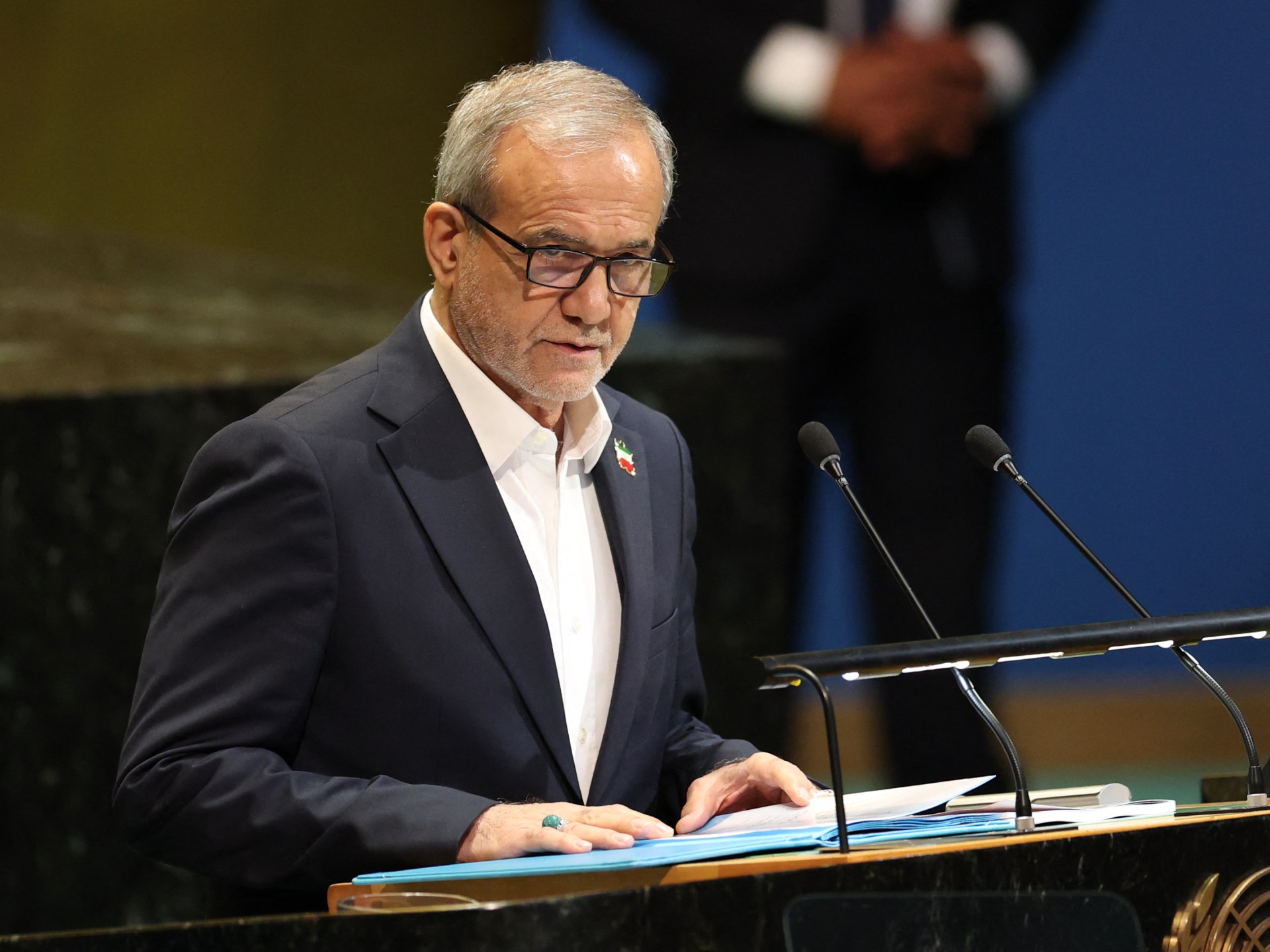
Iranian President Masoud Pezeshkian announced on Tuesday that he has instructed diplomats to pursue “fair and equitable negotiations” with the United States, according to reports circulating following recent geopolitical friction. This directive signals Tehran’s willingness to engage diplomatically as perceived threats of military confrontation appear to recede from the immediate foreground.
The presidential order supports existing reports that Iran is receptive to talks being organized by several regional intermediaries, including Turkiye. This move comes after weeks of soaring tensions exacerbated by threats from the US administration and the movement of naval assets into the Middle East. Diplomatic sources indicated that back channel diplomacy had shown signs of progress over the preceding weekend.
Pezeshkian specified that negotiations must occur within an environment “free from threats and unreasonable expectations,” emphasizing principles of dignity and expediency in his social media statement. Tehran confirmed on Monday it was reviewing several diplomatic proposals pitched by Qatar, Turkiye, Egypt, and Oman aimed at lowering tensions with Washington.
Reports suggest that structured discussions, potentially involving US Special Envoy Steve Witkoff and Iranian Foreign Minister Abbas Araghchi, are being organized to convene in Istanbul this Friday, although neither Washington nor Tehran has officially confirmed this meeting. Meanwhile, Qatar’s foreign ministry confirmed on Tuesday that high-intensity diplomacy with Iran remains ongoing in coordination with neighboring states.
The immediate context for these developments involves a shift in US posture, moving from military warnings following domestic unrest in Iran to calls for a renewed nuclear agreement. The US and EU remain concerned over potential nuclear weapon development, a claim Tehran consistently denies, asserting its program is for civilian purposes.
Iranian sources informed Reuters that specific conditions reportedly accompany any resumption of formal talks, including demands that Iran cease uranium enrichment, restrict its missile program, and halt support for allied armed groups. These latter two points—missiles and regional allies—have historically been treated as non-negotiable by Tehran.
Economic necessity appears to be a driving factor for Tehran, which urgently requires sanctions relief to stabilize its currency and mitigate internal economic distress that fueled recent mass protests. The critical question remains whether Iran will alter its established positions on regional security issues to secure necessary economic concessions.
This renewed diplomatic push follows the collapse of earlier negotiations initiated in Oman in June, which stalled following subsequent military actions involving Israel and the US against Iranian sites. The progression of these talks will be closely monitored for signs of durable de-escalation in the Persian Gulf.