Iranian missiles struck southern Israel on Saturday, wounding over 100 people near a nuclear site in the Negev region of the country. The city is home to the Negev Nuclear Research Center, making the location a high-priority target for regional adversaries. The attacks mark a significant escalation in the fourth week of the conflict between the two regional powers in the Middle East. Prime Minister Benjamin Netanyahu described the night as particularly difficult for the nation during a televised address to the public and media.
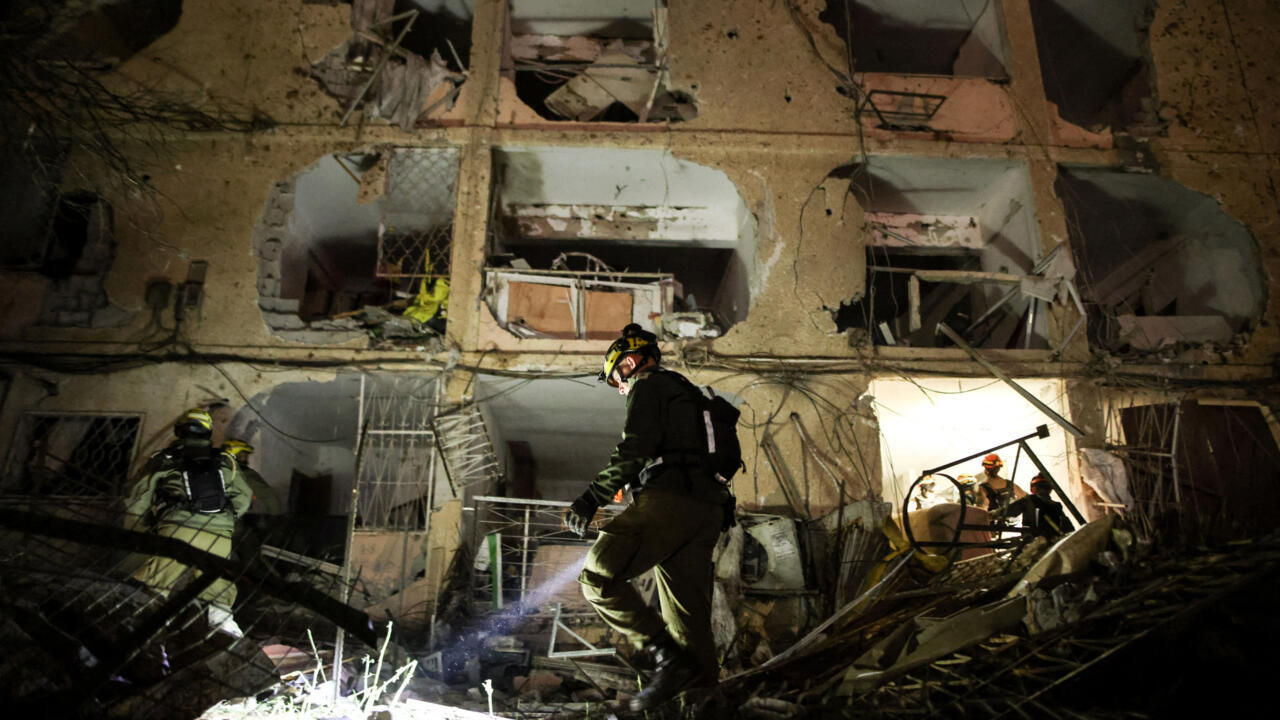
Israeli emergency services reported at least 88 injuries in Arad and 39 in Dimona on Saturday morning according to official figures released by responders. Paramedics treated the wounded on site before transport to hospitals, where some patients were stabilized for surgery. Residential buildings suffered significant damage, and one child remains in critical condition after sustaining multiple shrapnel wounds from debris. Extensive damage occurred in the city centre of Arad alone, according to local firefighters who arrived at the scene to manage the aftermath.
State television in Tehran framed the strikes as a response to an earlier attack on Iran’s Natanz complex that occurred earlier in the morning. Al Jazeera reported three separate impact sites had been identified across Dimona with one three-storey building having completely collapsed during the impact. This tit-for-tat dynamic has intensified targeting between the two nations significantly since the conflict began in late February. No radioactive leakage was confirmed at the Iranian site by officials following the earlier strike there.
An Israeli military spokesman stated air defense systems failed to intercept some ballistic missiles during the barrage despite activation of the Iron Dome. Firefighters confirmed two direct hits by warheads weighing hundreds of kilograms struck the ground in populated areas near the city limits. Interceptors were launched, but they failed to hit the threats effectively despite standard protocols being followed by operators on the ground. The military has not released a full statement on the matter to the Associated Press news agency.
The International Atomic Energy Agency reported no damage to the Dimona nuclear facility on Saturday afternoon following initial reports from the area. Director General Rafael Grossi urged maximum military restraint around sensitive nuclear sites to prevent catastrophe or radiation leaks into the environment. The watchdog continued to monitor radiation levels in the region closely for any anomalies that might indicate a breach in the containment systems. School cancellations occurred in the surrounding Ramat Negev Regional Council immediately following the impact.
Dimona has been at the heart of Israel’s nuclear programme since its research centre opened in 1958 with French assistance during the Cold War. The facility was built in secret before the country developed nuclear weapons by the late 1960s according to historical records and expert analysis. Its policy of deliberate ambiguity was part of a deal quietly struck with Washington to avoid triggering a regional arms race among neighbors. Israel is believed to have developed nuclear weapons by the late 1960s.
Abas Aslani from the Centre for Middle East Strategic Studies noted Tehran seeks to re-establish deterrence capabilities for the future security landscape. This strategy aims to make threats credible for a long-term security arrangement rather than a simple ceasefire with Israel or its allies. Experts suggest the goal is to reduce the gap between words and actions to ensure safety and national sovereignty in the volatile region. Tehran wants to reduce the gap between words and actions.
The conflict has already caused over 1,500 deaths since late February according to Iranian state media reports from the region and international observers. Regional stability faces continued pressure as diplomatic channels remain limited during this volatile period of heightened military activity and political maneuvering. Economic sanctions and trade disruptions could follow if oil shipments from the Strait of Hormuz face threats from expanding hostilities in the waterways. Energy prices are already fluctuating in anticipation of potential supply constraints.
Markets may react to instability in energy routes if the conflict expands further across the Middle East region and impacts global supply chains significantly. Observers will watch for US involvement or further escalation in the coming days as tensions rise between the major powers in the area. The global economy could face disruptions if shipping lanes become compromised by broader hostilities affecting international trade flow significantly for years. Investors will need to monitor the situation closely for signs of prolonged instability.