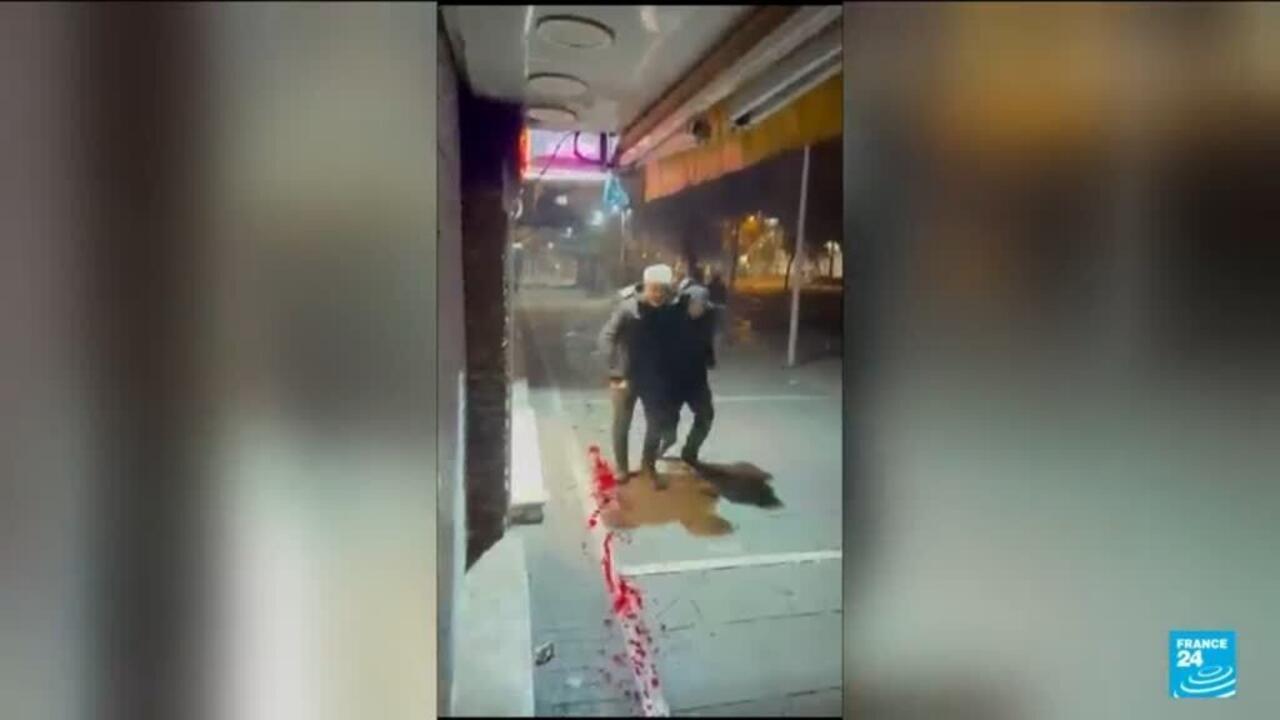
Iranian security forces initiated a sweeping campaign of mass arrests targeting thousands of individuals nationwide following the government’s decisive crushing of recent anti-regime demonstrations. This action appears designed to consolidate control and deter any resurgence of the unrest, which represented the most significant challenge to the Islamic Republic's authority in decades.
The crackdown follows weeks of sustained, often violent, confrontations between protestors and state security apparatus across multiple urban centers. Reports indicate that the state employed significant coercive power to bring the widespread civil disturbance to an end.
Connectivity remains severely hampered as the government maintains substantial restrictions on internet access and digital communication platforms. This intentional throttling of data flow complicates external monitoring of the situation inside the country.
Despite censorship efforts, limited verifiable information continues to surface, often disseminated through circumvention tools used by citizens. These sporadic releases provide crucial, albeit fragmented, glimpses into the ongoing security situation and the scale of the detentions. (
This government response pattern—rapid, forceful suppression followed by systematic arrests—is consistent with previous actions taken to neutralize large-scale domestic opposition movements. The objective is reportedly to eliminate organizational capacity among dissidents.
From a geopolitical perspective, the internal stability of the Islamic Republic directly impacts regional energy markets and international diplomatic relations, particularly concerning nuclear negotiations. Analysts closely monitor these internal security metrics for broader economic signaling.
The prolonged state of heightened security and restricted information access suggests that the underlying grievances fueling the initial protests have not been resolved. This ongoing repression may simply defer, rather than eliminate, future sources of internal friction.