Tehran launched sustained missile and drone attacks across the Gulf region late Friday into Saturday local time. The strikes targeted multiple nations including Saudi Arabia, Qatar, and the United Arab Emirates amidst ongoing retaliation against the coalition. This escalation occurs as the United States and Israel continue operations against Iranian sites in the Middle East. Regional stability faces critical stress as violence spreads beyond the primary conflict zone significantly. Intelligence sources indicate the attacks were designed to pressure Gulf allies supporting Western military actions. The intensity of the barrage suggests a coordinated strategy rather than isolated incidents.
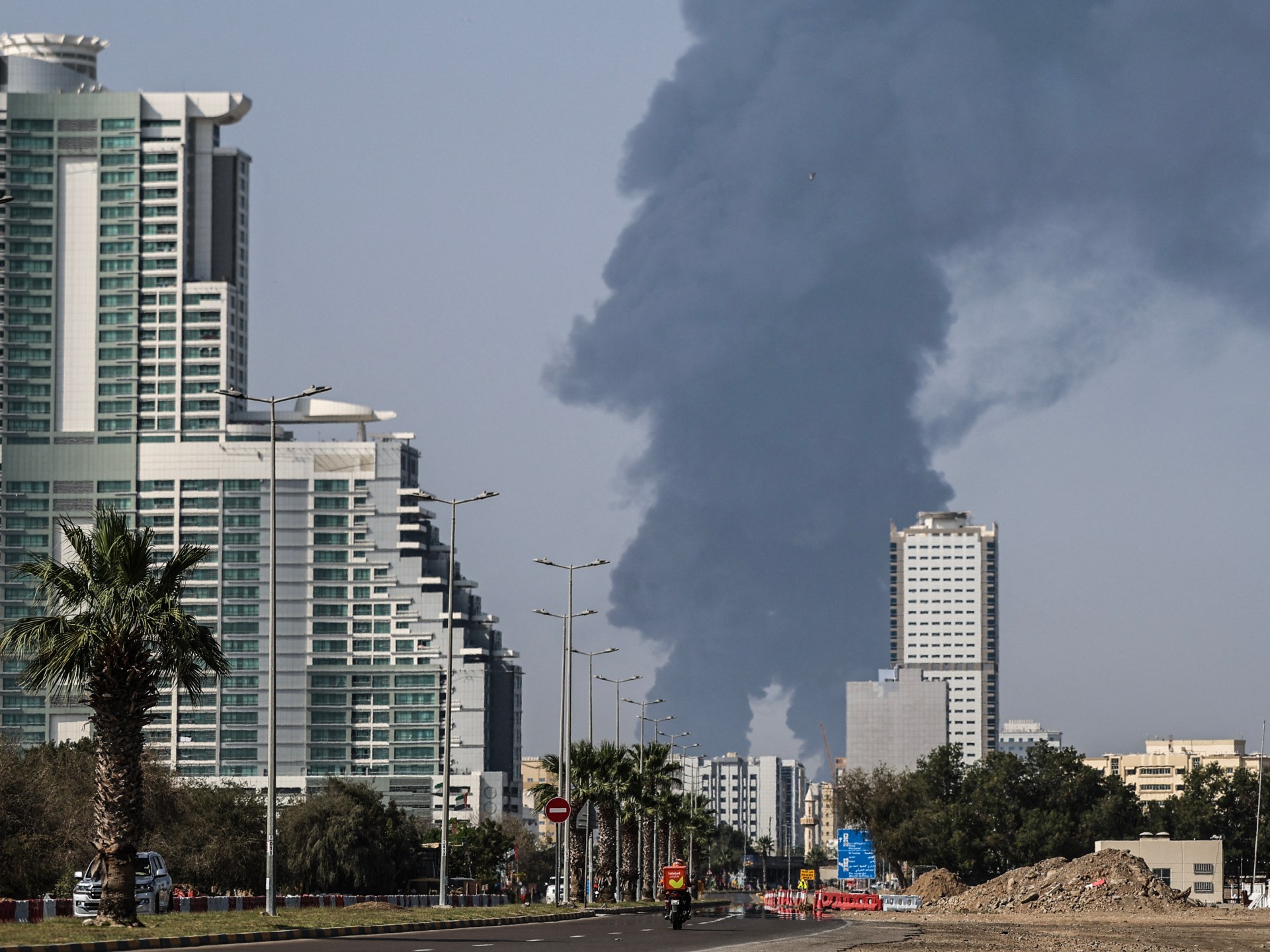
In the UAE, debris from an intercepted drone caused a fire at a major bunkering hub in Fujairah. No injuries were reported, but civil defence forces worked to contain the blaze overnight effectively. Oil-loading operations suspended temporarily in the aftermath, industry sources told Reuters news agency. The incident occurred near the Strait of Hormuz, a critical chokepoint for global energy transport routes. Security forces remain on high alert to prevent further infrastructure damage in the emirate.
Fujairah serves as an outlet for about one million barrels per day of the UAE’s Murban crude oil. This volume equals approximately one percent of global demand during normal operations annually. The disruption highlights the vulnerability of critical energy infrastructure in the region. Markets closely watch how long these suspensions last before full production resumes immediately. Any prolonged halt could send shockwaves through international commodity prices immediately and increase volatility for Brent crude. Market volatility is expected to increase as traders assess the risk of sustained supply interruptions.
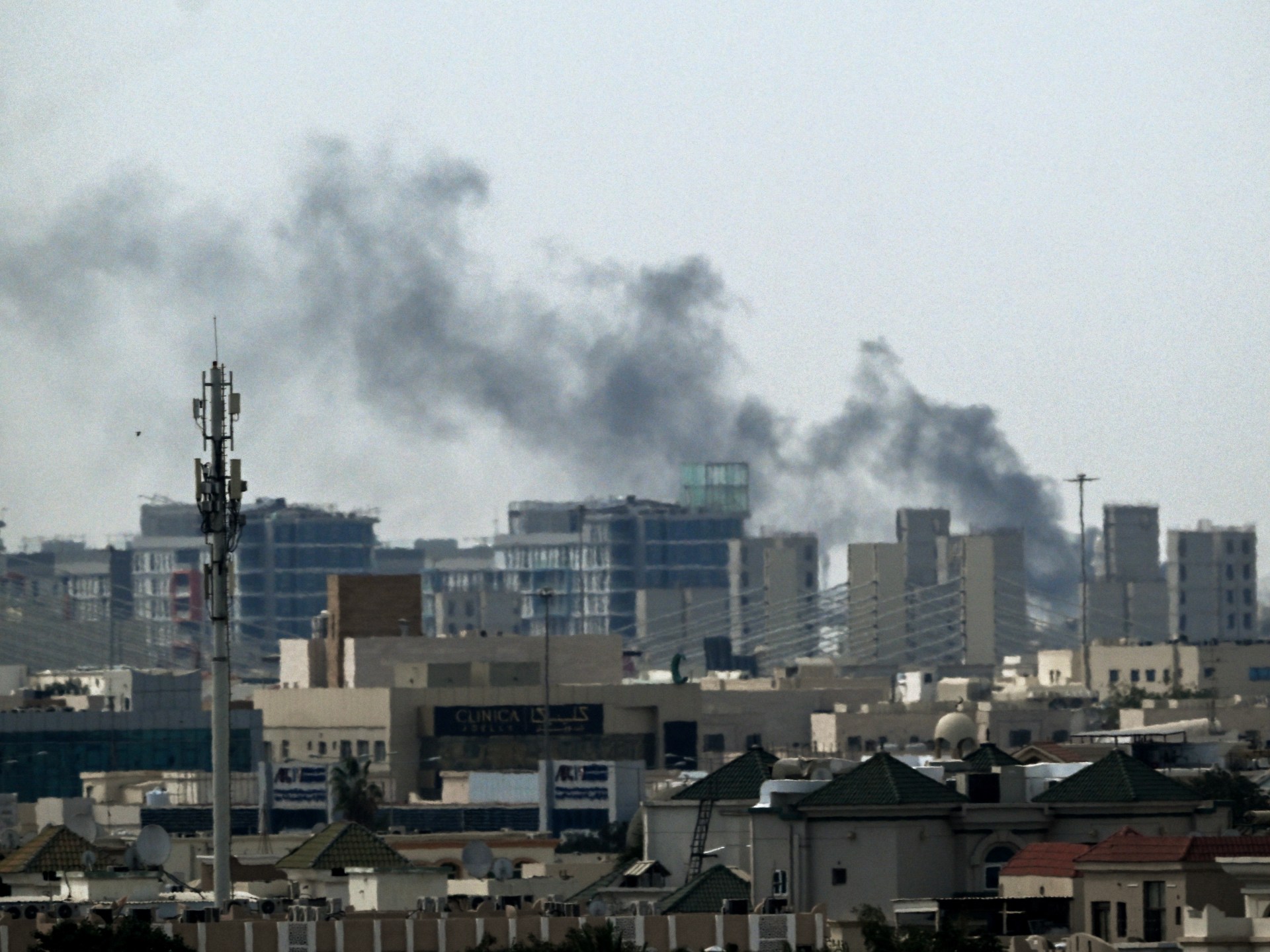
Qatar’s Ministry of Defence reported missile attacks and issued temporary evacuation measures for citizens. An intercepted missile strike occurred around two a.m. local time while another was reported later. Witnesses described a large blast felt across the city during the early morning hours. For the first time in two weeks, evacuation orders were issued before the attack hit. Many residents spent hours in basements before returning to their homes safely.
In neighbouring Saudi Arabia, the Ministry of Defense said multiple drones were intercepted and destroyed. The ministry also confirmed the interception of a ballistic missile launched towards the al-Kharj governorate. Reports indicated five US Air Force refuelling planes were damaged at an airbase within the kingdom. The strike targeted vital logistical support assets used for regional military operations. Defense capabilities are being tested as attacks intensify against coalition partners. The location remains undisclosed but is believed to be a key staging ground for regional operations.
President Donald Trump later disputed reports regarding the damage sustained by the aircraft. He stated four of the five planes suffered virtually no damage and returned to service quickly. The Wall Street Journal had reported the incident without specifying the exact location initially. US Central Command declined to comment on the specific repair status of the fleet. Discrepancies in reporting highlight the fog of war surrounding military asset losses and strategic readiness.
Iran’s Islamic Revolutionary Guard Corps declared US interests in the UAE legitimate targets. IRGC statements urged residents in the UAE to evacuate ports and military shelters immediately. Tehran claims this action responds to previous attacks on Iranian islands by coalition forces. The threat extends to commercial and civilian sites near military installations. Civilian safety remains a primary concern as targeting criteria expand across the Gulf.
Jordan’s Armed Forces intercepted seventy-nine missiles and drones out of eighty-five launched attacks. Air defenses failed to stop five drones and one missile, which fell inside Jordanian territory. Jordanian security services received ninety-three reports regarding falling debris across governorates. The interception rate demonstrates improved regional defense capabilities during the conflict. However, the penetration of airspace indicates persistent vulnerabilities in the shield.
Kuwait National Guard shot down a drone within an area under its responsibility for securing the country. This action comes as part of ongoing efforts to enhance security and protect vital sites. Regional tensions remain high as diplomatic protests continue from Gulf neighbours. Leaders in the region express concern over being drawn into the wider conflict zone. Neutrality is difficult to maintain as security threats approach sovereign borders directly.
The conflict poses significant risks to global energy markets and shipping lanes through the Strait of Hormuz. Analysts will monitor whether attacks expand to commercial vessels or oil terminals in the coming days. Continued instability could force further disruptions in world oil supply chains. Investors are watching for signs of prolonged shipping delays or insurance premium hikes. Economic consequences will likely extend far beyond the immediate military engagement affecting global trade. Geopolitical risks continue to dominate the risk premium in global commodity markets.