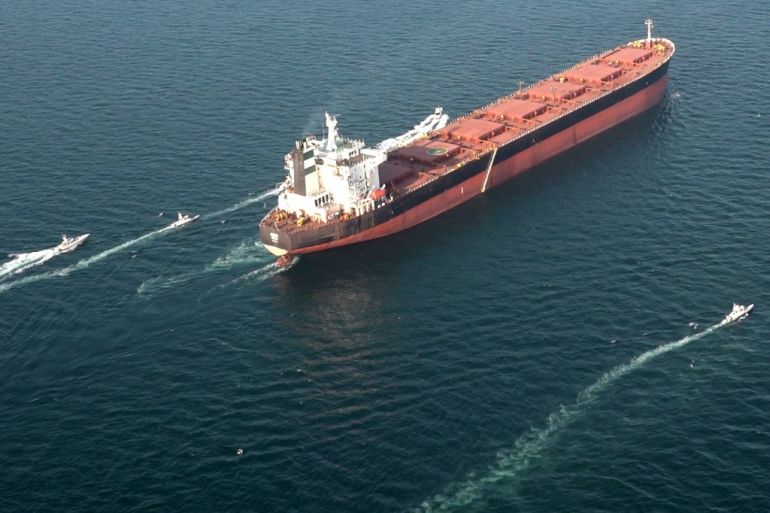
Iran has halted the transit of oil tankers through the Strait of Hormuz, a critical maritime chokepoint, in response to intensified Israeli military operations in Lebanon. The move follows accusations from Tehran that the United States has failed to uphold its obligations under a standing ceasefire agreement.
Mohammad Bagher Ghalibaf, the speaker of Iran’s parliament, explicitly accused the United States of violating terms established during previous negotiations. The Iranian presidency indicated that a sustainable ceasefire in Lebanon serves as a fundamental condition for regional stability and, by extension, the resumption of standard traffic through the strait.
Geopolitical Tensions Escalate
The decision to block the strait follows Israel’s most aggressive aerial campaign against Lebanon since the implementation of a ceasefire agreement. Despite the diplomatic framework intended to de-escalate the conflict, Iranian officials argue that ongoing Israeli strikes have rendered the current security arrangements untenable.
"The ceasefire in Lebanon is an essential condition for our country," the Iranian presidency stated in a briefing. By leveraging control over the Strait of Hormuz—the conduit for roughly one-fifth of the world’s oil consumption—Tehran is signaling a shift toward more direct economic pressure against the coalition supporting Israel’s military objectives.
The suspension of tanker traffic introduces immediate volatility into global energy markets. Analysts expect price fluctuations as shipping companies and insurers assess the viability of alternative routes in the Persian Gulf. The Iranian government has not provided a timeline for when tanker traffic might resume, stating that the decision depends entirely on the cessation of hostilities in Lebanon and the adherence of international partners to diplomatic agreements.
International observers are monitoring the situation closely for signs of further escalation. The Strait of Hormuz serves as a vital artery for global energy supplies, and any prolonged closure threatens to disrupt supply chains across the Middle East and beyond. For now, tankers remain anchored outside the strategic passage while diplomatic channels remain strained.