Tehran, Iran, Foreign Minister Abbas Araghchi stated Wednesday that the recent assassination of Ali Larijani will not destabilize the Islamic Republic’s political structure. Araghchi argued that the United States and Israel have failed to comprehend the resilience of Tehran’s established institutions during the ongoing conflict. He emphasized that the government does not rely on any single individual to maintain its operational capacity or authority within the region. The minister noted that the political framework remains solid despite the loss of key leadership figures. He insisted the regime is built on deep foundations.
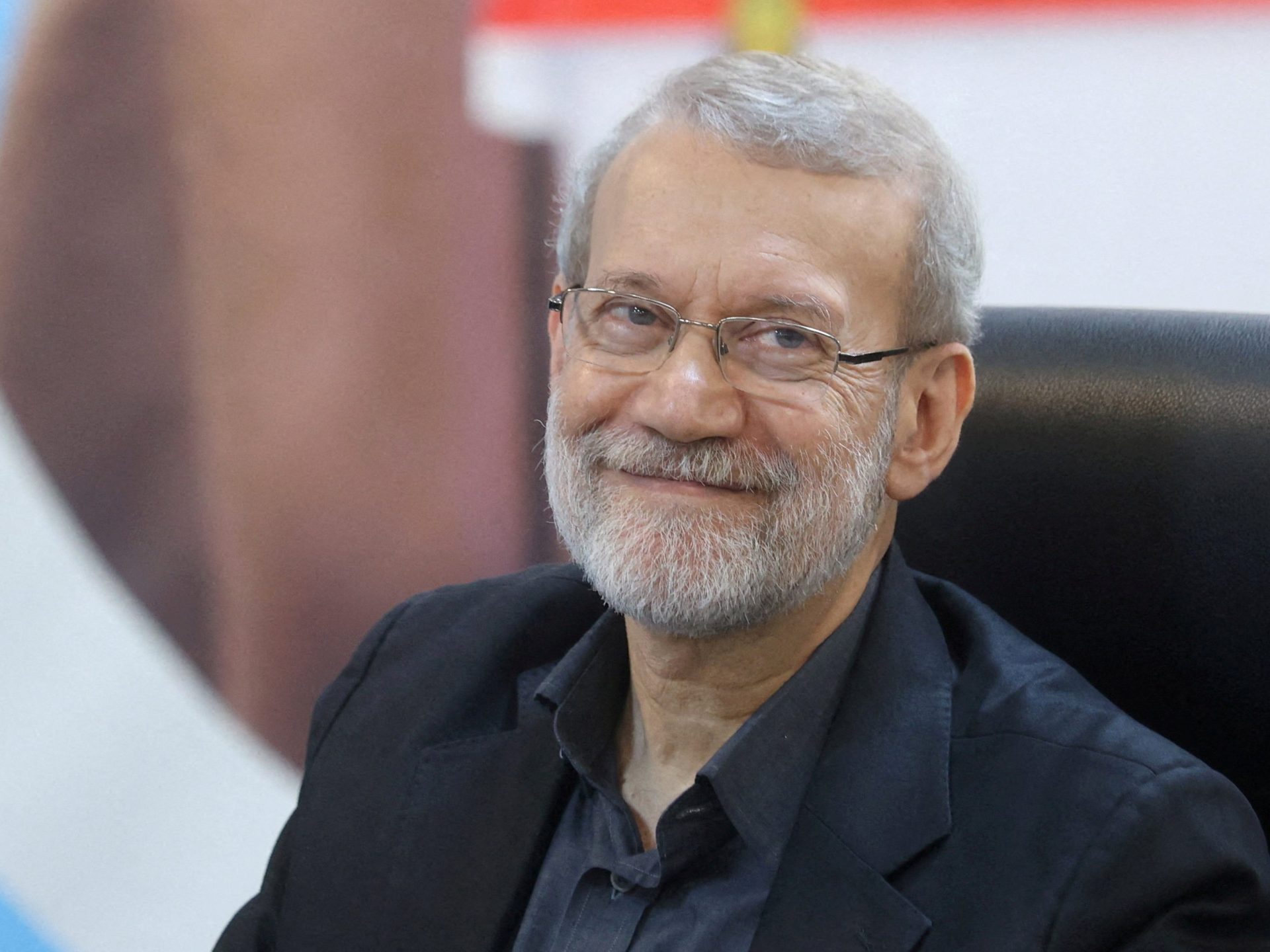
Larijani, 67, served as the secretary of Iran’s Supreme National Security Council and was a confidant of the slain Ali Khamenei. His death on Monday night marks the removal of the most senior figure in Tehran’s leadership since the opening air strikes of the war began. Iranian state media confirmed the attack was conducted by an American-Zionist enemy force. This event follows the killing of Supreme Leader Ali Khamenei on the first day of US-Israeli strikes on 28 February. Larijani was a key strategist in the nuclear negotiations prior to the current hostilities.
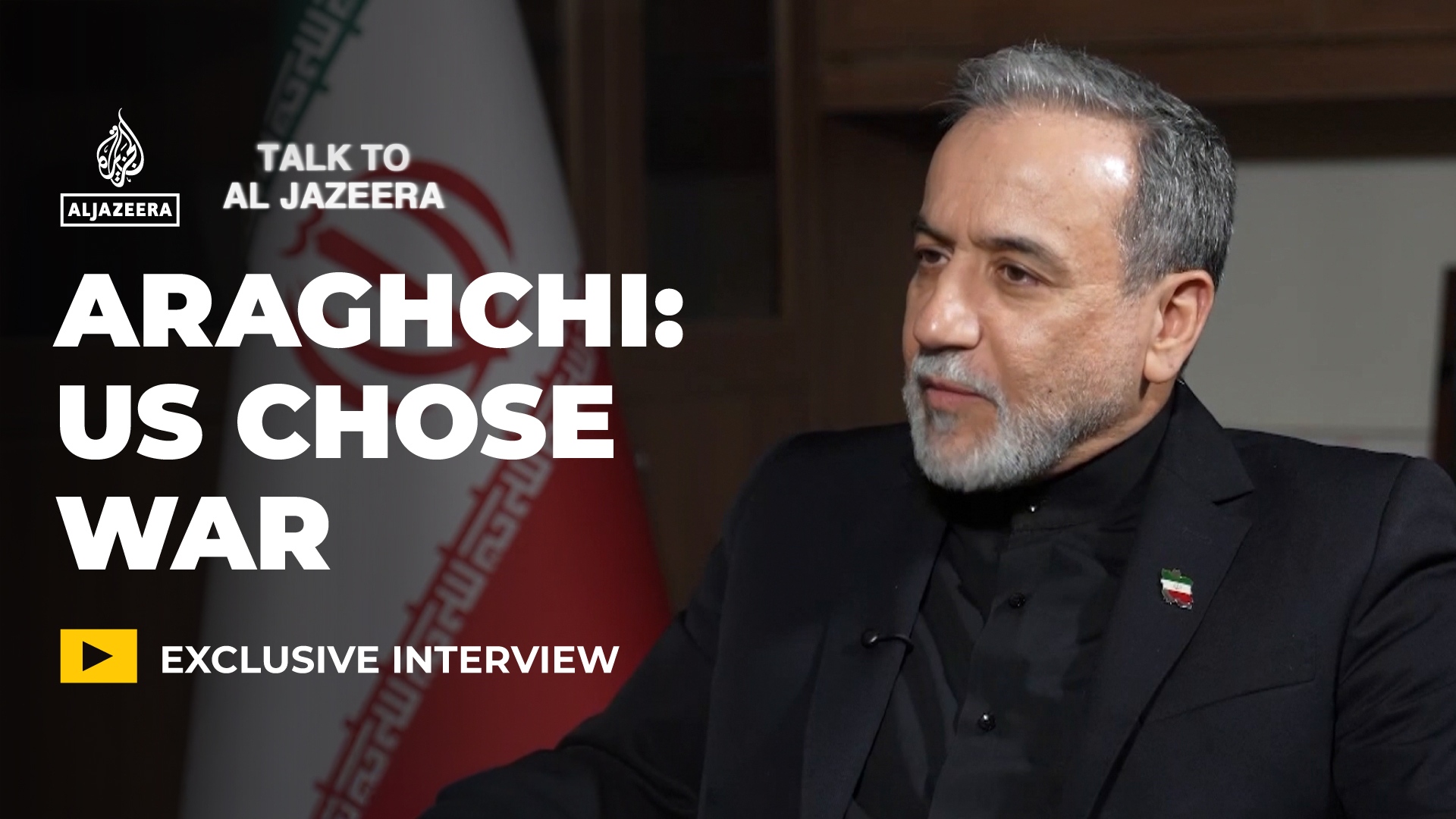
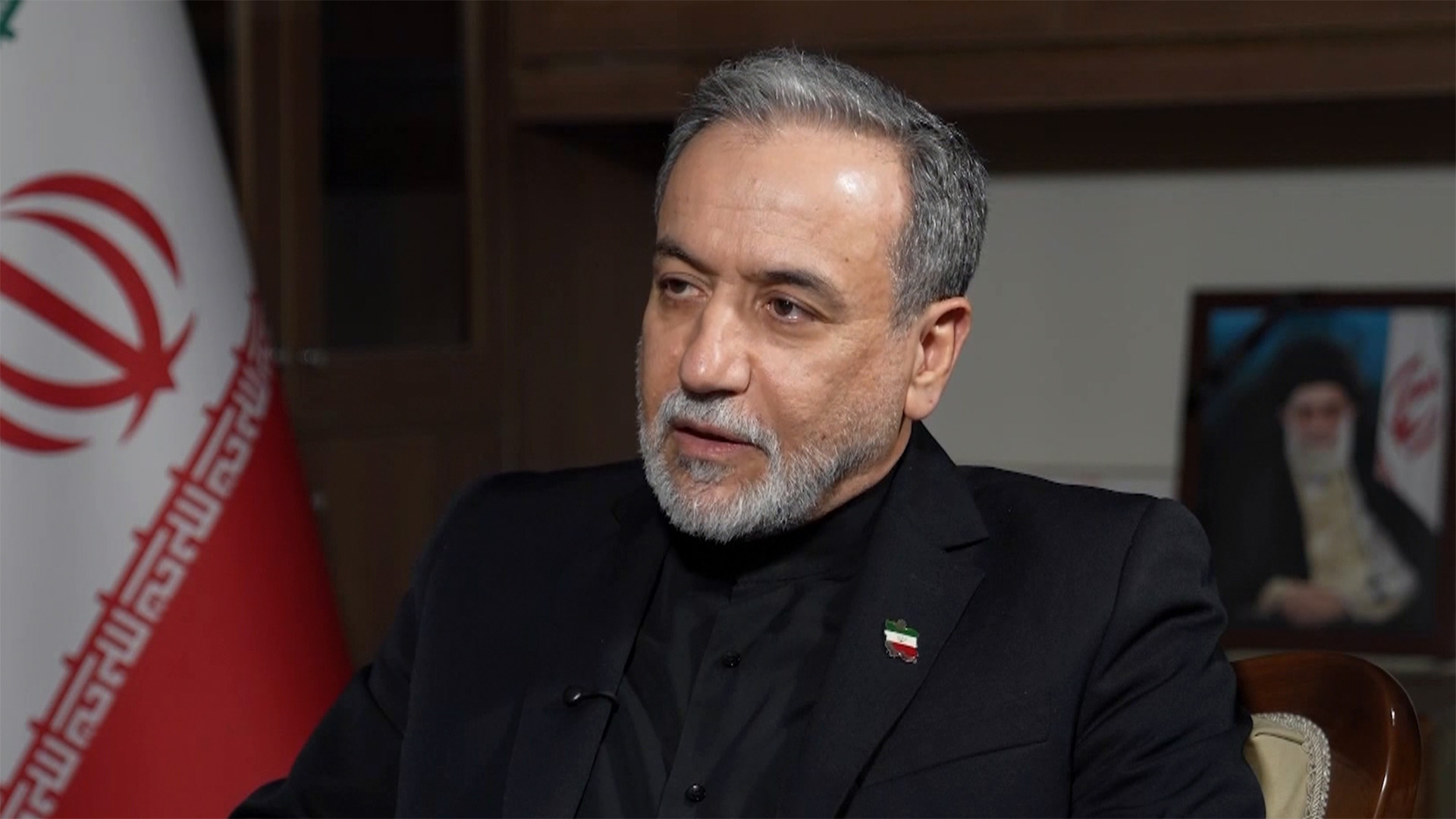
In an interview with Al Jazeera, aired after the killing was confirmed by Tehran early on Wednesday, Araghchi said the United States and Israel had yet to realize that Iran’s government does not rely on a single individual. He stated that the Islamic Republic of Iran has a strong political structure with established political, economic, and social institutions. The presence or absence of a single individual does not affect this structure, the minister asserted. Individuals are influential, but the system is a very solid structure that persists through personnel changes. This resilience was tested during the initial strikes.
Araghchi pointed to the assassination of the country’s supreme leader, Ayatollah Ali Khamenei, who was killed on the first day of US-Israeli strikes. He noted that despite the huge national loss, the system continued its work and immediately provided a replacement. If anyone else is martyred, it will be the same, he added to the interview. If the foreign minister were ever to be martyred, there would ultimately be someone else to take the position.
Iranian state media also confirmed on Tuesday that Brigadier General Gholamreza Soleimani, the head of Iran’s Basij forces, was also killed in an attack. Commander of the Basij, the country’s most powerful internal security force for the past six years, Soleimani was reported to have emerged as a key leader in the fightback. The Basij is a paramilitary group within the Islamic Revolutionary Guard Corps. His death further highlights the intensity of the targeted campaign against Tehran’s security apparatus. The Basij organization plays a critical role in domestic surveillance and mobilization.
Al Jazeera’s senior political analyst Marwan Bishara said Israel had long engaged in the assassinations of its political adversaries, which was not a normal practice in warfare. In wars, you do not start by killing political leaders, including elected leaders, Bishara stated. That programme of assassination is gangster, it is terrorism, it is not the norm of war. While the system is strong, such targeted killings do have an impact in terms of quantitative changes leading to qualitative changes.
In the interview with Al Jazeera, Araghchi again said the growing conflict in the Gulf region and beyond was not of Tehran’s choosing, and the US must ultimately be held responsible. He repeated that this war is not their war and the United States started it. The minister insisted the United States must be held accountable for all consequences. This includes human and financial consequences for Iran, for the region, or for the entire world. Financial sanctions and war costs continue to strain the national economy.
The killing of Larijani marks a significant escalation in the conflict that began late last month. Regional observers will watch closely to see if the political system can absorb further losses without fracturing. The international community remains concerned about the potential for wider escalation in the Middle East. Accountability for the war remains a primary demand from the Iranian government moving forward. Diplomatic efforts to de-escalate tensions are currently stalled.