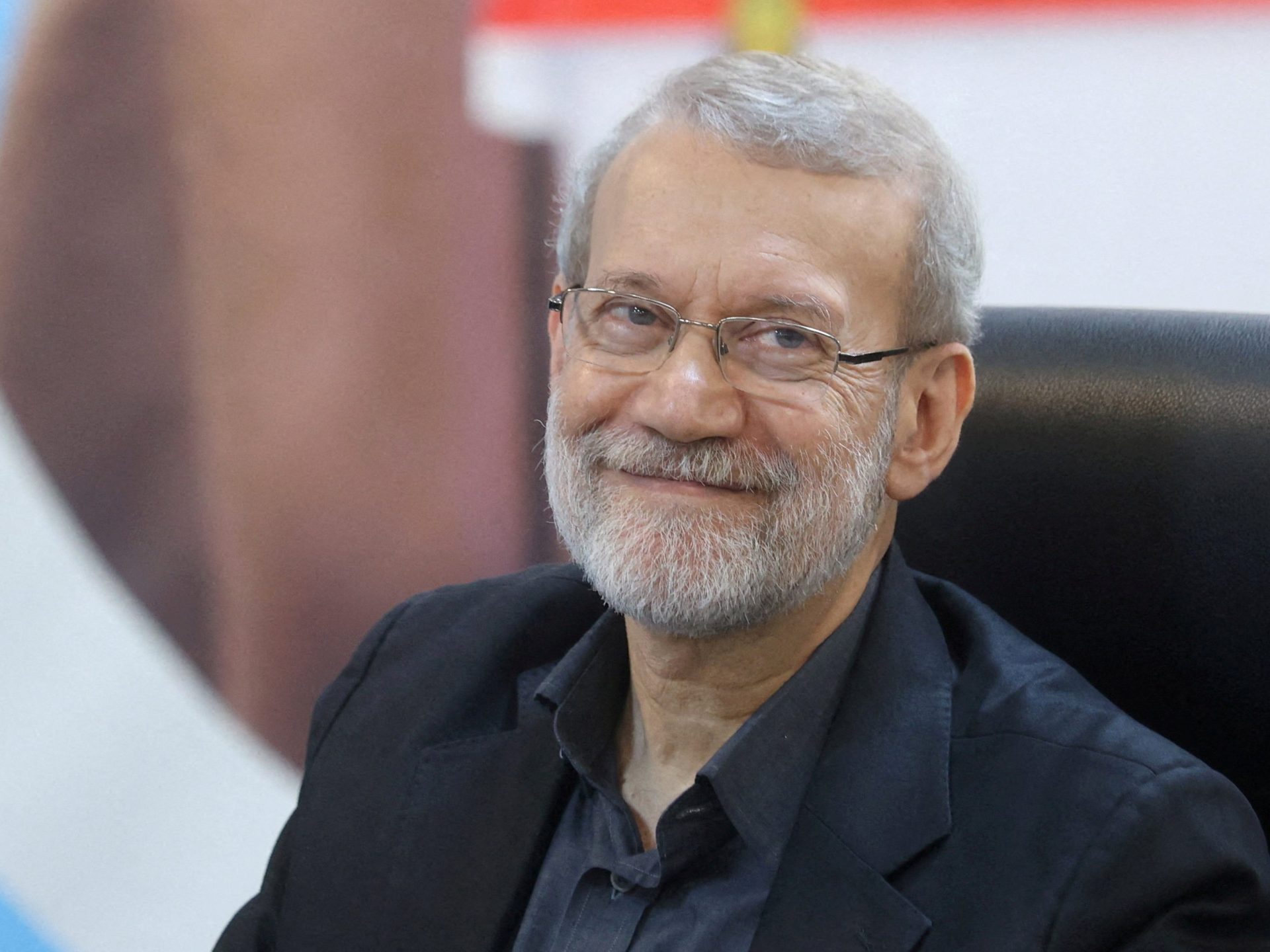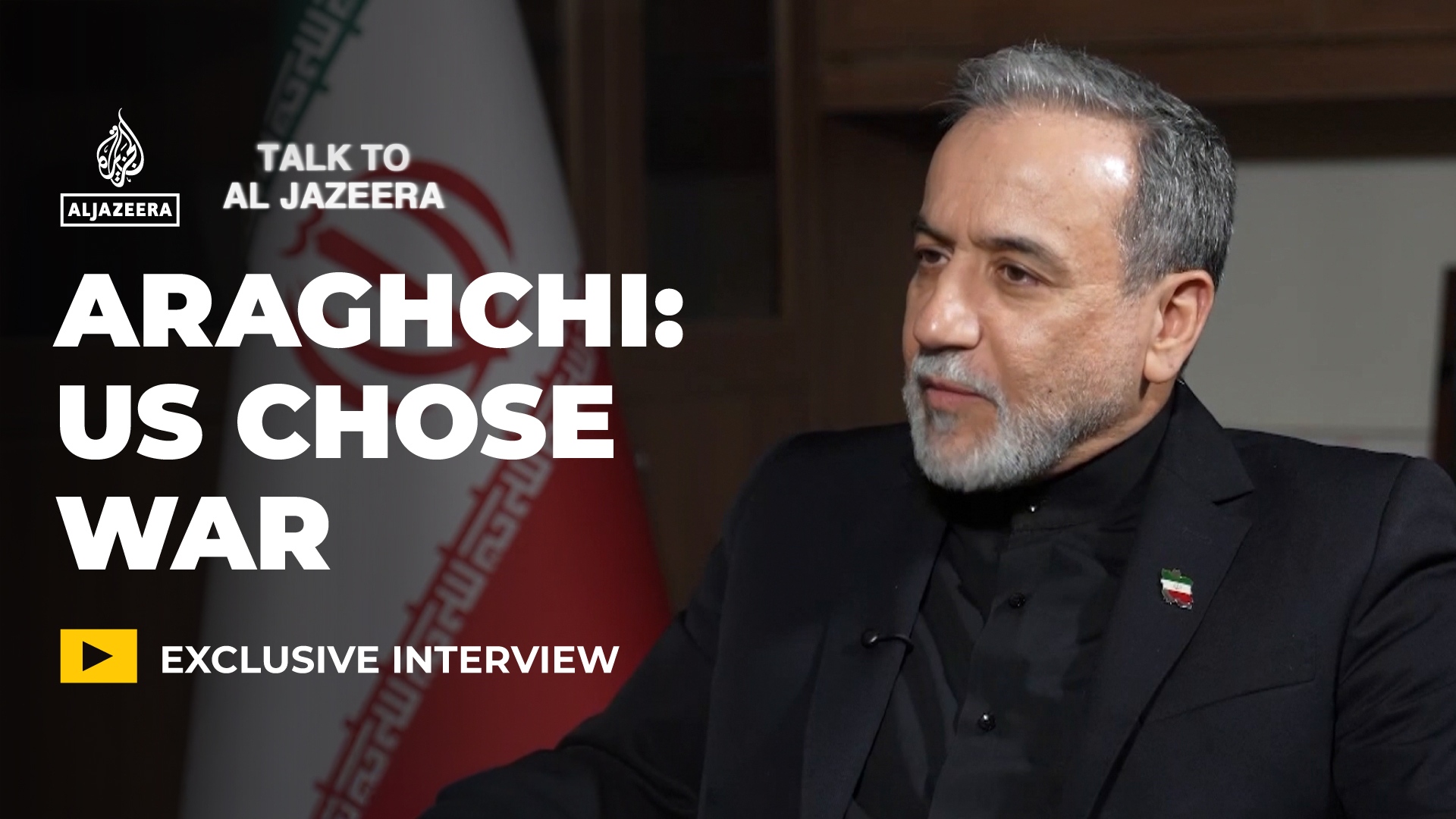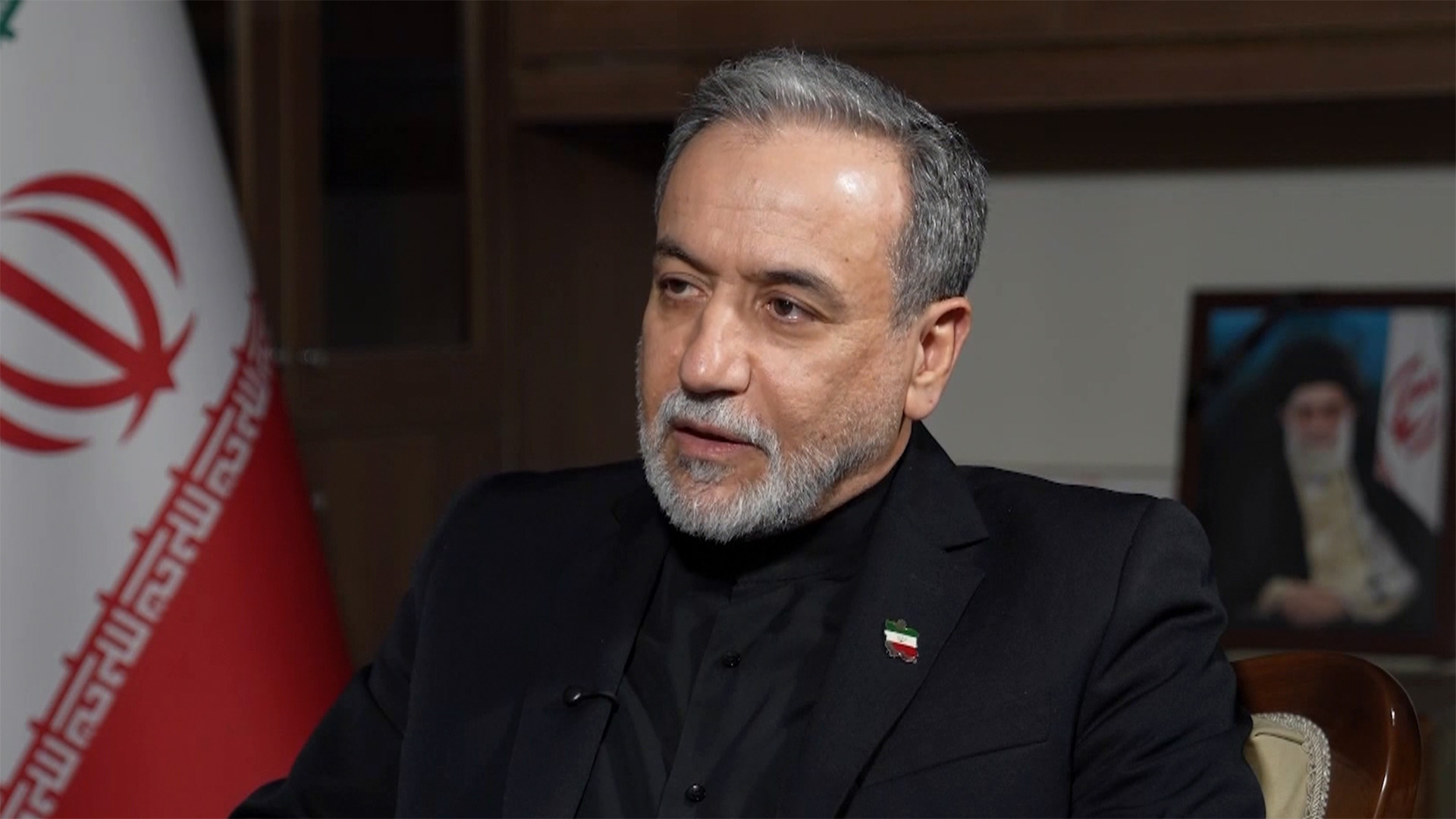
Iranian Foreign Minister Abbas Araghchi declared on Monday that the Islamic Republic remains stable following recent targeted killings of senior officials. The statement comes after reports confirmed the deaths of former parliamentary speaker Ali Larijani and Basij commander Gholamreza Soleimani. Araghchi addressed the media in Tehran to reassure domestic and international observers about the regime's resilience amidst growing uncertainty. The comments were made shortly after security forces secured the areas where the high-profile incidents occurred.
Sources indicate that both officials held significant influence within the country's security apparatus and political hierarchy. Their removal marks a significant escalation in the conflict between Tehran and external adversaries operating in the region. The strikes occurred over the last week, according to unconfirmed reports from various regional intelligence networks tracking the situation. Both men were known for their close ties to the Supreme Leader and held veto power over key security decisions.
Araghchi emphasized that the state structure is designed to withstand such shocks without collapsing under pressure. He stated that no single figure, regardless of power, can destabilize the complex system established by the founding leadership. This assertion aims to counter narratives suggesting a leadership vacuum could trigger internal chaos or regime collapse soon. He described the institutional framework as robust enough to absorb the loss of multiple key personnel simultaneously.
Previous attacks on Revolutionary Guard commanders have historically triggered retaliatory measures from Iranian forces against perceived threats to national security. The killing of Qasem Soleimani in 2020 serves as a notable precedent for current tensions and significant diplomatic fallout across the region. Analysts note that the current leadership structure differs significantly from the 2020 timeframe regarding succession planning and operational control mechanisms.
Regional markets reacted cautiously to the news, with oil prices fluctuating slightly in Asian trading sessions following the official announcement. Investors remain concerned about potential disruptions to energy exports from the strategically vital Persian Gulf region and its shipping lanes. The volatility reflects broader anxieties regarding Middle East stability and global supply chain security for major industrial economies.
Economic sanctions continue to constrain Tehran's ability to respond with conventional military force or large-scale military operations. The government faces pressure to balance internal security needs with public welfare concerns regarding inflation rates and employment figures. Funding for reconstruction of damaged infrastructure remains a priority for state planners managing the national budget efficiently. International financial institutions have not yet offered new credit lines to support the struggling economy.
Political analysts suggest the regime is testing its own capacity to absorb leadership losses without losing control. Succession protocols appear active as new appointments are rumored within the security sector to fill the voids created by deaths. The consolidation of power may lead to stricter oversight of remaining officials and tighter control over dissenting voices. Loyalty tests are reportedly being conducted among mid-level commanders to ensure continued allegiance to the central authority.
International observers will monitor the situation closely for signs of escalation or new diplomatic openings in the coming weeks. Major powers are expected to assess whether further targeted actions are feasible without triggering a broader regional war. The outcome of this crisis could redefine security dynamics in the Middle East for years to come. Diplomatic channels between Washington and Tehran remain largely closed due to the heightened tensions.