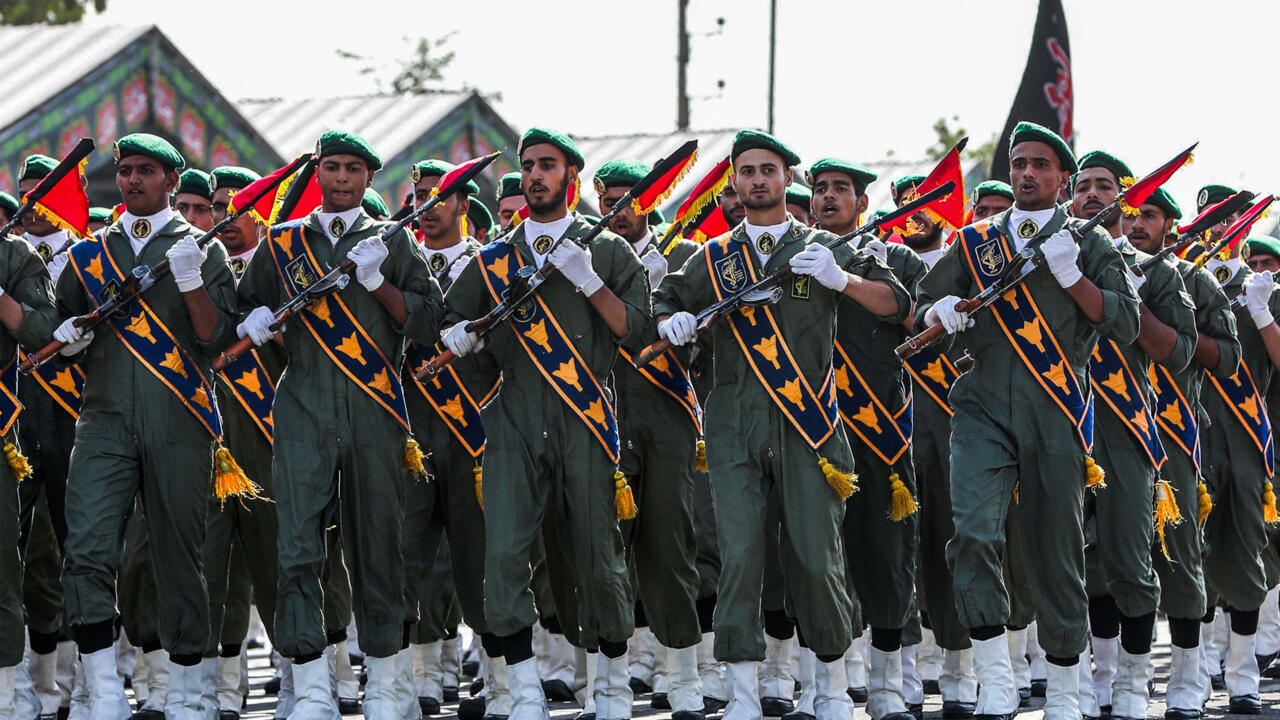
Iran’s parliament speaker, Mohammad Bagher Ghalibaf, announced on Sunday that the armies of European countries are now considered terrorist groups under domestic law, citing Article 7 of the existing Countermeasures Act. This move serves as a direct reciprocal measure following the European Union’s classification of the IRGC as a terrorist organization earlier in the week. Lawmakers reportedly demonstrated solidarity by wearing IRGC uniforms during the session, chanting slogans against the US and Europe, according to state television footage.
The designation, which mirrors a law previously enacted after the US classified the IRGC as a terrorist organization in 2019, raises questions regarding its immediate practical impact on European diplomatic or military presence. Ghalibaf asserted that the EU’s action was subservient to US and Israeli directives, suggesting it accelerates Europe’s path toward global irrelevance. Tehran maintains the IRGC designation will only bolster domestic support for the military body.
The legislative exchange occurs amidst heightened military posturing between Washington and Tehran, following the crackdown on recent domestic protests within Iran. Western governments accused the IRGC of orchestrating the repression, while Tehran attributed the unrest to foreign-backed sabotage. The US recently dispatched an aircraft carrier group to the region following threats of potential US military intervention.
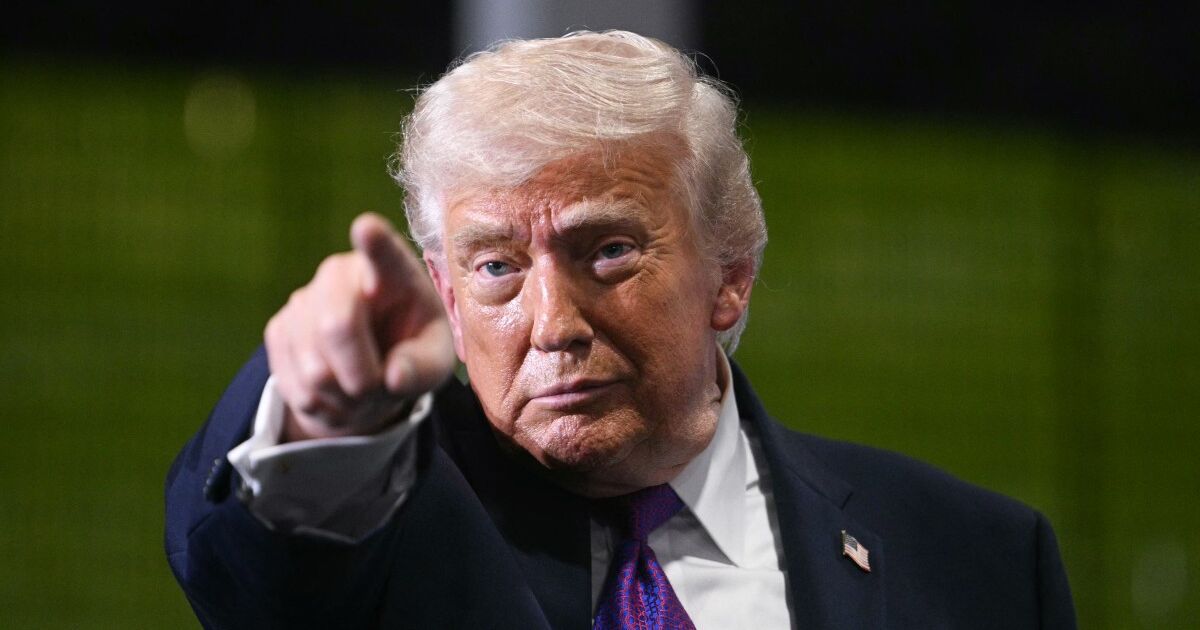
Despite the escalating rhetoric, diplomatic channels appear partially active, suggesting a mutual, albeit cautious, recognition of mutual destruction risks. Officials from both sides have recently indicated a willingness to engage in dialogue concerning Iran's nuclear and missile capabilities. Ali Larijani, head of Iran's Supreme National Security Council, stated that structural arrangements for negotiations are progressing, even as US President Donald Trump maintained threats of action.
Iranian President Masoud Pezeshkian emphasized during a call with his Egyptian counterpart that war would benefit neither Iran, the US, nor the broader region. Furthermore, Qatari officials engaged in talks with Tehran on Saturday in an effort to de-escalate the current tensions. These diplomatic efforts suggest a complex balancing act between hardline political posturing and pragmatic risk management among regional actors.
The IRGC functions as the ideological guardian of Iran’s Islamic Republic, tasked with countering both external and internal threats to the 1979 revolution. The current crisis, marked by reciprocal sanctions and military signaling, underscores the fragility of the security architecture in the Middle East and the continuing influence of internal political dynamics on international relations.