Iran has signaled its intent to assert permanent control over the Strait of Hormuz, proposing a toll system for vessels navigating the critical waterway as part of a 10-point peace plan. The proposal follows a two-week ceasefire that halted weeks of direct military strikes between Iran, the United States, and Israel.
Foreign Minister Abbas Aragchi stated that safe passage during the truce would be granted through coordination with Iran’s armed forces. The Islamic Revolutionary Guard Corps subsequently released a new navigation map, directing commercial vessels further toward the Iranian coast. The IRGC cited the potential presence of anti-ship mines in the traditional traffic zones as the reason for the route change.
Financial demands and international pushback
Tehran is reportedly considering charging up to $2 million per vessel or $1 per barrel of oil to fund the reconstruction of infrastructure damaged during the recent conflict. While Iran claims these funds are necessary for recovery, regional neighbors have already voiced opposition. Oman’s Minister of Transport, Said Al-Maawali, rejected the toll plan, noting that his country remains bound by international maritime agreements that prohibit such levies.
Legal experts point to the United Nations Convention on the Law of the Sea, which generally forbids charging fees for passage through international straits. However, neither the United States nor Iran has ratified the convention. Maritime analyst C. Uday Bhaskar suggested to Al Jazeera that Iran might attempt to circumvent legal challenges by framing the fees as payments for de-mining services to ensure safe passage.
President Donald Trump, who recently backed away from threats to strike Iranian power plants, stated that the United States would maintain a military presence in the area to manage traffic. Despite the ongoing truce, Trump warned that the U.S. would resume attacks if upcoming negotiations in Islamabad fail to yield a permanent resolution.
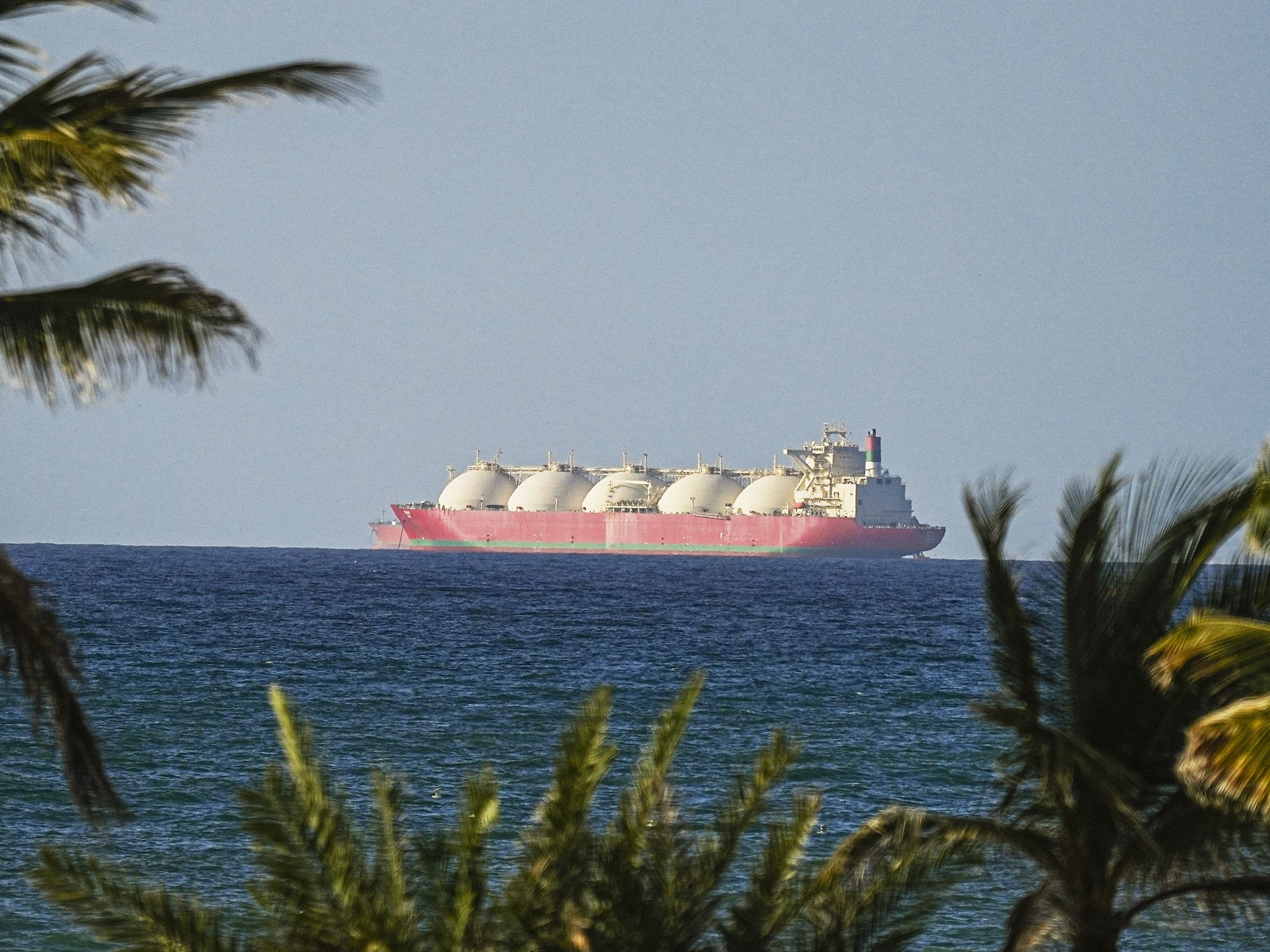
Trade uncertainty continues to plague the region. Only a handful of vessels have transited the strait since the fighting paused, and shipping companies remain wary of Tehran's enforcement tactics. During the height of the crisis, reports indicated that some vessels gained passage by paying tolls in Chinese yuan, a move analysts believe was designed to bypass U.S. sanctions and reduce reliance on the dollar.