The Iranian Armed Forces declared on Monday that Tehran will implement a permanent mechanism to regulate the Strait of Hormuz, marking a shift from temporary conflict tactics to a long-term strategic objective. A spokesperson for the Iranian military characterized U.S. restrictions on vessels in international waters as "piracy" and vowed that no port in the Gulf or the Gulf of Oman would remain secure if Iranian facilities are targeted.
This announcement moves beyond the immediate scope of the ongoing ceasefire, which began April 8. Tehran is signaling that it intends to maintain its influence over the world’s most significant energy chokepoint regardless of the outcome of current negotiations in Islamabad. By invoking the legal definition of piracy, Iran is attempting to frame its own vessel-fee and permission requirements as a legitimate sovereign response to U.S. maritime enforcement.
A broader threat to Gulf infrastructure
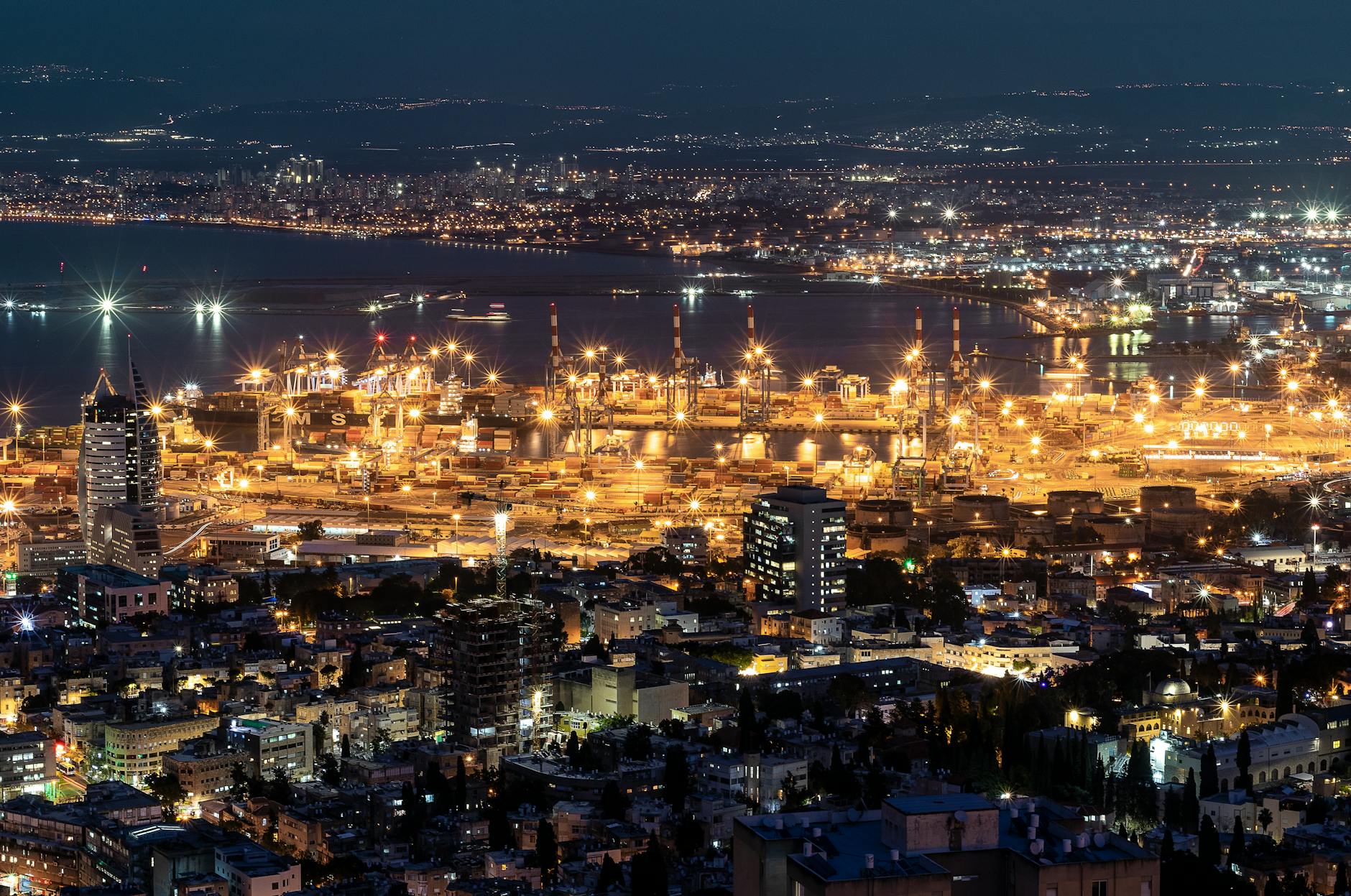
The spokesperson introduced an "all or none" doctrine regarding regional port access, warning that any attempt to blockade or endanger Iranian infrastructure would result in retaliatory threats against all major commercial hubs in the region. This policy places vital infrastructure in Saudi Arabia, the UAE, Kuwait, Qatar, Bahrain, and Oman under direct threat. Rather than merely threatening to close the Strait, Iran is positioning the entire Gulf maritime ecosystem as a target for instability.
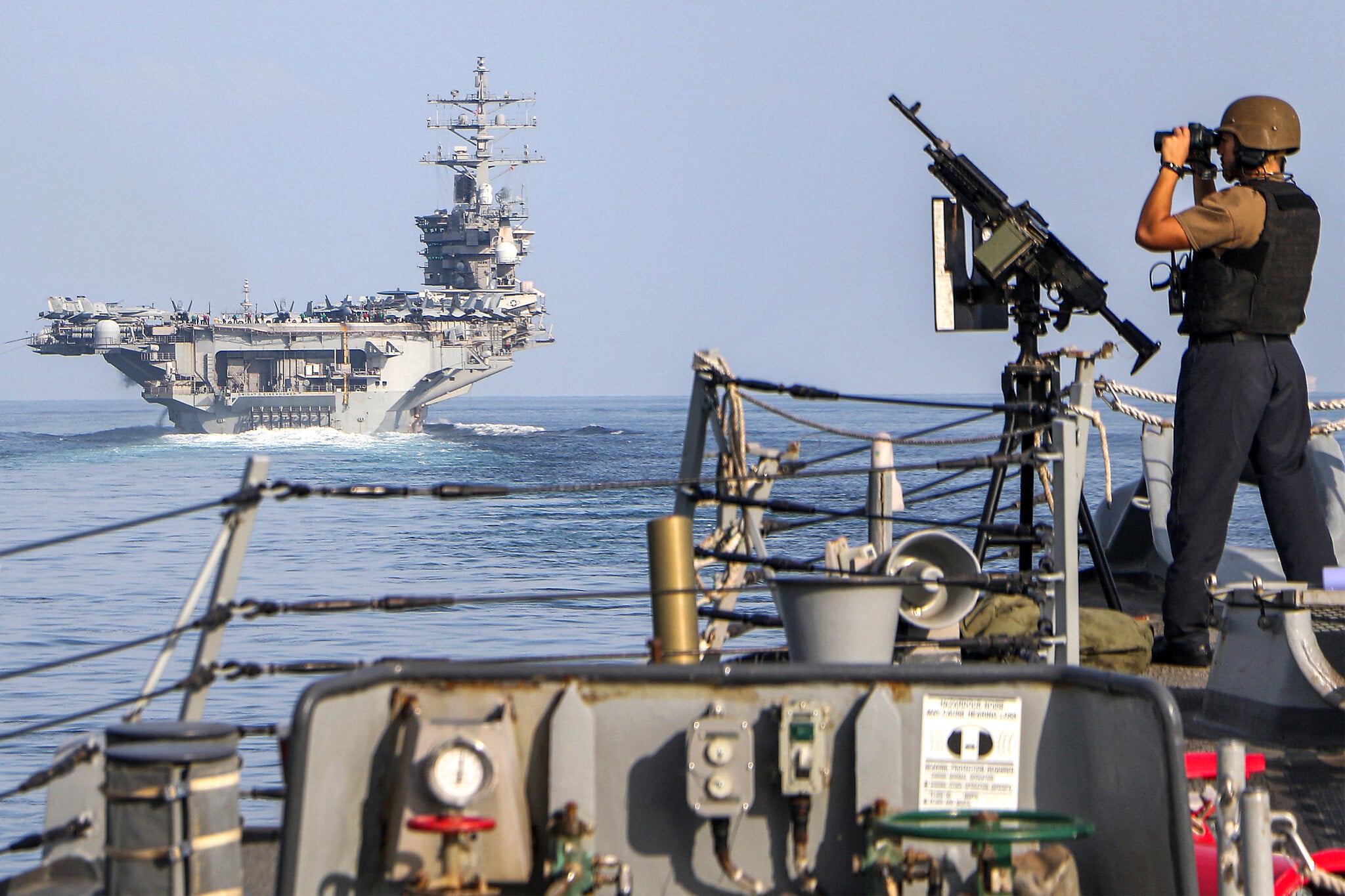
This escalation follows recent warnings from Donald Trump, who directed the U.S. Navy to enforce a blockade and cautioned that any Iranian aggression against U.S. forces would face severe consequences. Trump also publicly demanded that Iran cease charging tanker fees, a move Tehran has now explicitly rejected by doubling down on its intent to institutionalize those very charges.
Energy markets and shipping analysts are now bracing for a permanent change in the cost and risk profile of Gulf trade. Approximately 20% of the world’s oil and gas supply passes through the Strait, with 138 vessels transiting daily. The prospect of an indefinite Iranian oversight mechanism poses a structural challenge for major importing economies, including India, China, and South Korea, which rely heavily on these supply chains.
The World Bank recently cautioned that even a standing ceasefire could reduce global growth by up to 0.3 percentage points and inflate global costs. As the Islamabad talks enter their final two weeks, the Iranian military's declaration forces Washington and its allies to choose between negotiating within a new, restrictive reality or attempting to dismantle a system that Tehran has now pledged to make permanent.