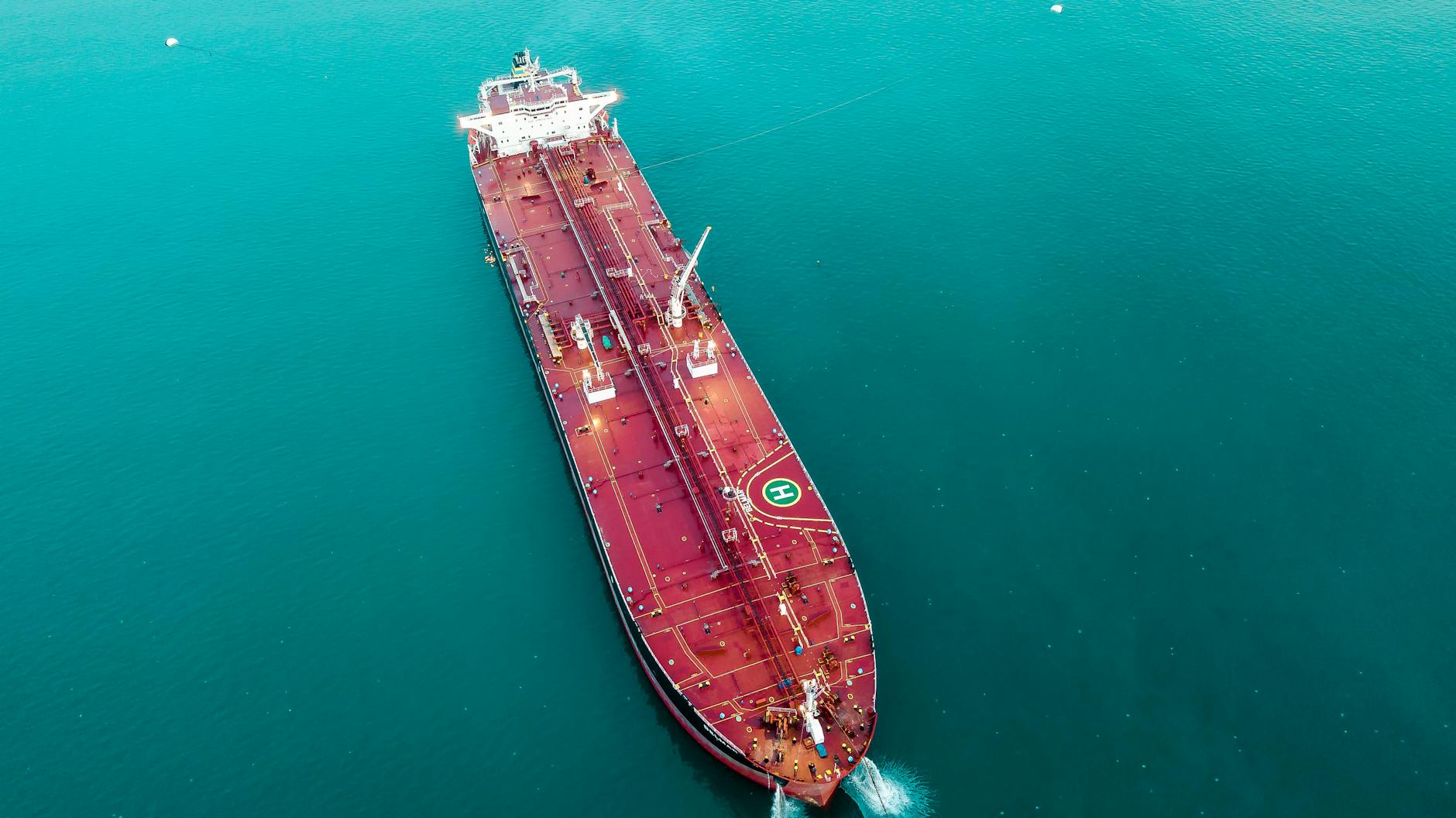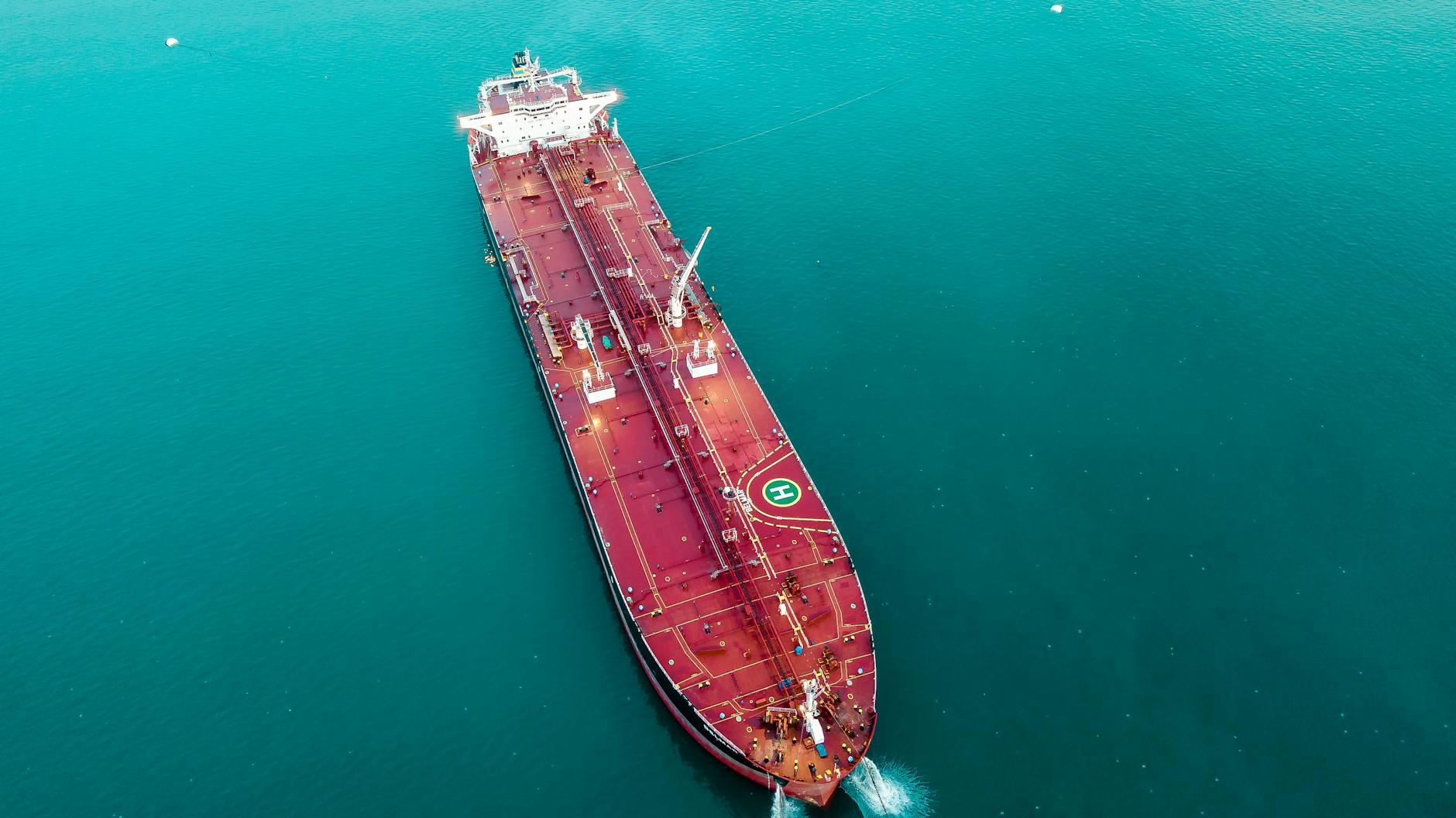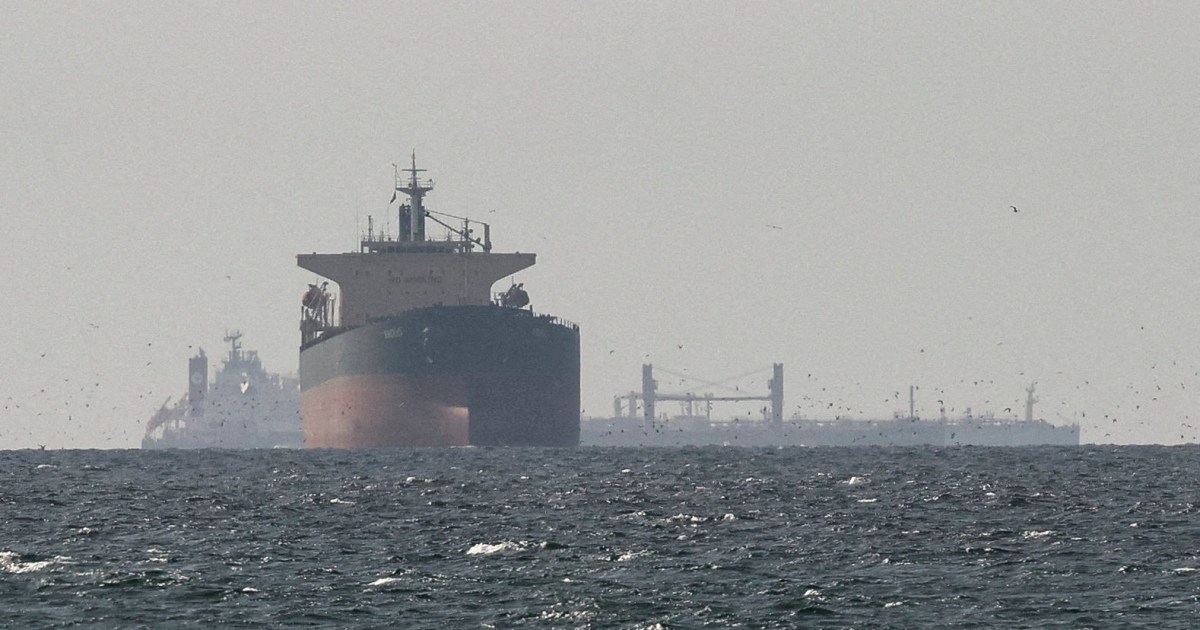
Iran’s Foreign Minister Abbas Araghchi has formally blamed the United States and Israel for significant disruptions occurring within the strategic Strait of Hormuz. This critical global artery facilitates the transit of approximately one-fifth of all worldwide oil shipments through its narrow waters daily. Araghchi made these allegations during a high-level phone conversation with United Nations Secretary-General Antonio Guterres on Tuesday. The remarks highlight escalating geopolitical friction that threatens to destabilize international energy markets globally and impact inflation rates.
According to reports from Iran’s semiofficial Tasnim news agency, the Foreign Minister demanded global condemnation of the recent military aggression. He stated that every country and international institution concerned with peace must demand an end to hostilities against the Iranian nation. This diplomatic push comes as shipping lanes remain volatile following the outbreak of conflict on February 28. The call for condemnation underscores Tehran's desire to isolate its adversaries on the world stage significantly.
Financial markets reacted immediately to the growing instability, with a barrel of Brent crude rising 2.5% to $105.70 on Monday. That price point is now more than 40% higher than the levels recorded before the war began earlier this month. Several nations are reportedly negotiating with Tehran for safe passage after threats were made against transiting ships. The surge in energy costs poses a serious risk to global economic recovery efforts in the coming quarter.
A senior adviser to Iran’s Islamic Revolutionary Guard Corps announced on March 2 that the strait was closed to specific vessels. The official threatened to set transiting ships ablaze if they did not comply with Iranian directives immediately. Araghchi later clarified on Monday that the strait remained open but closed to enemies of the state. This contradiction creates significant uncertainty for commercial vessels navigating the waterway safely.
United States President Donald Trump called for a naval coalition to join the US Navy in securing the waterway over the weekend. He specifically asked NATO member states to join the coalition, threatening a very bad future if they failed to assist. However, no countries have so far pledged to join the proposed military effort despite the urgency. Washington continues to pressure allies to share the burden of maintaining maritime security effectively.
French President Emmanuel Macron reiterated on Tuesday that Paris would never take part in operations to unblock the strait amid the ongoing conflict. He stated at the start of a cabinet meeting that France is not a party to the conflict and will not intervene militarily. The President added that escort missions would require Iranian involvement once fighting ends. This stance limits the potential for a unified Western naval response to the crisis.
European Union foreign policy chief Kaja Kallas said the bloc was looking for diplomatic solutions to guarantee transit through the waterway. She noted the EU was not looking to expand its Aspides mission, which was established in 2024 to protect ships from attacks by Yemen’s Houthis. Nobody is ready to put their people in harm’s way, Kallas told Reuters regarding the security situation. The bloc prioritizes stability over direct military engagement in the region.
The head of the International Maritime Organization said naval escorts through the Strait of Hormuz would not 100% guarantee the safety of ships. Arsenio Dominguez told the Financial Times that military assistance was not a long-term or sustainable solution to the problem. This caution highlights the limitations of force in resolving complex maritime security disputes effectively. Economic stability requires a diplomatic resolution rather than a purely military approach.
Iraq’s Oil Minister Hayan Abdul-Ghani told Al Jazeera that the country had reached an understanding with Iran for its oil tankers. Meanwhile, India’s Ministry of External Affairs spokesman dismissed reports that New Delhi discussed returning three seized Iran-linked tankers. These bilateral talks suggest regional powers are seeking individual security assurances rather than collective action. Such arrangements complicate the broader geopolitical dynamics regarding energy transit rights significantly.
The war in Iran was started by the US and Israel without consulting the EU, according to Kallas. She emphasized that this is not Europe’s war despite alliances with America and shared security interests. Global observers will watch for further escalation that could destabilize energy markets for the remainder of the year. The situation remains fluid as diplomatic channels struggle to mitigate the immediate economic fallout and prevent supply chain disruptions.