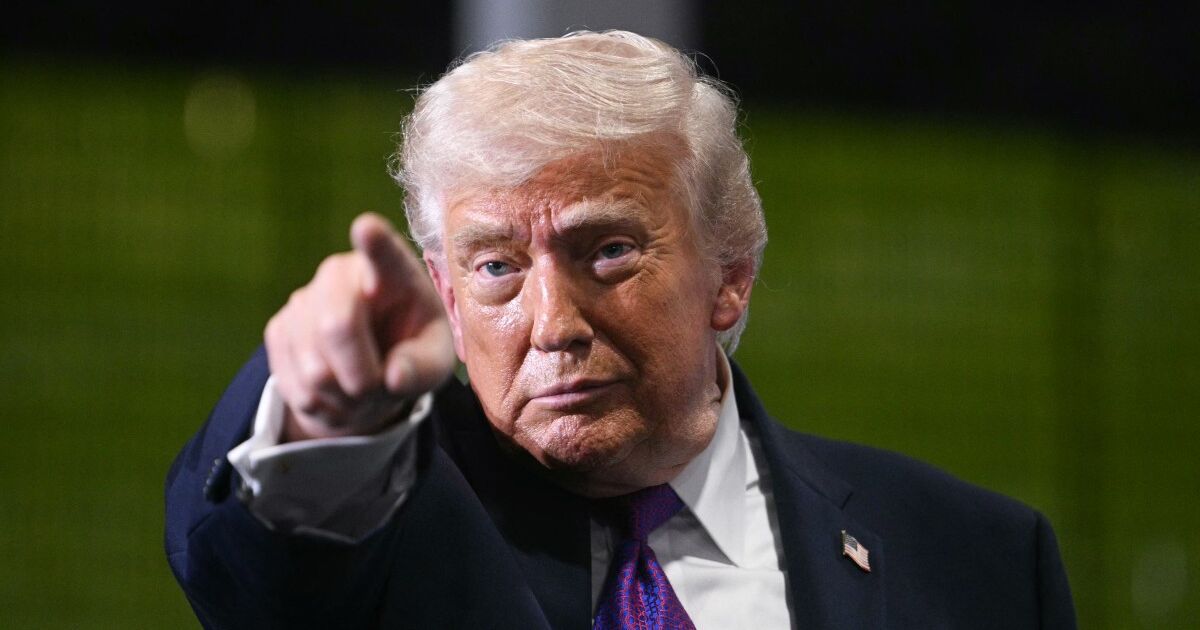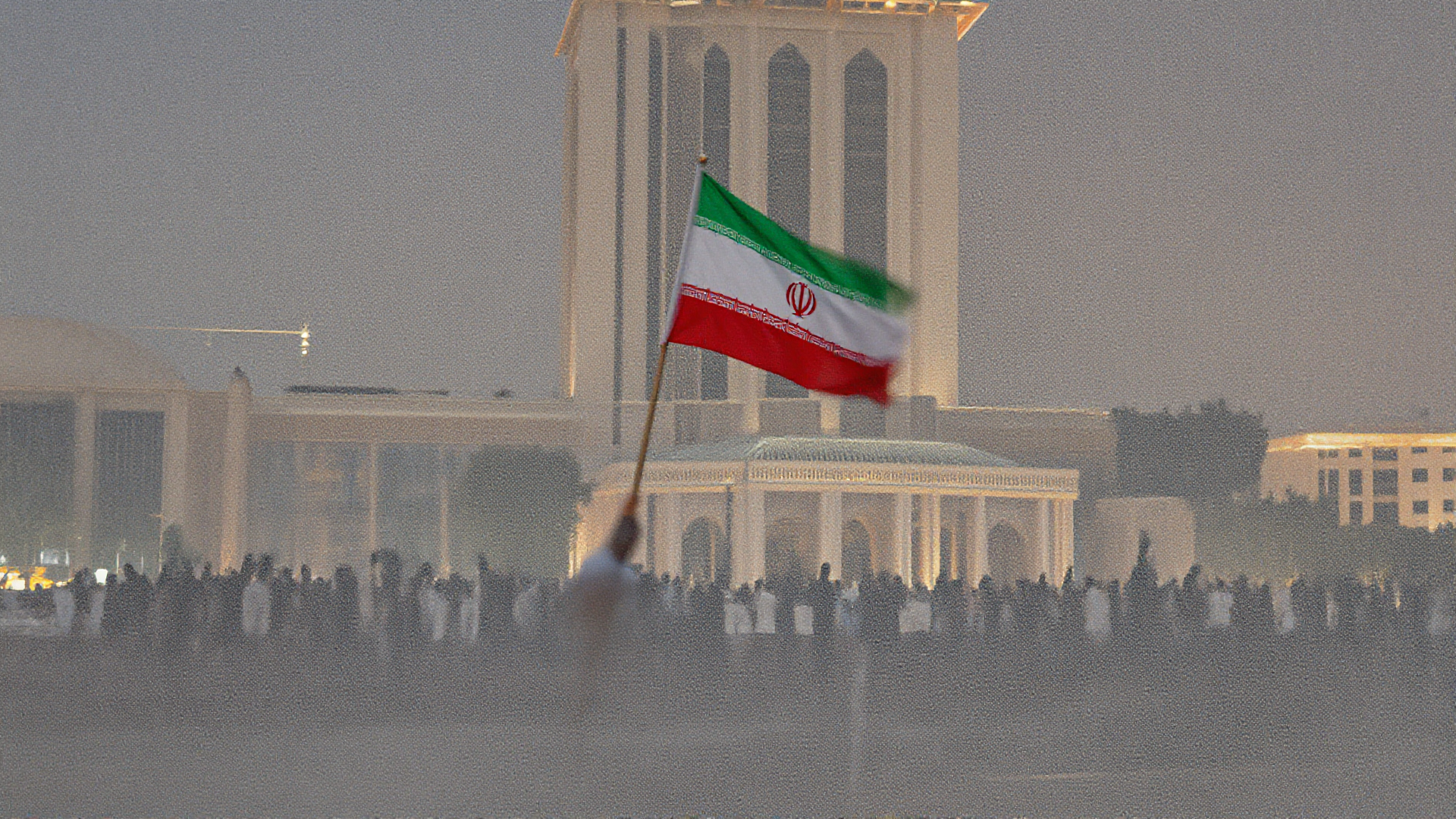
Iranian President Masoud Pezeshkian stated on Saturday that former US President Donald Trump, Israeli Prime Minister Benjamin Netanyahu, and European actors instigated tensions during recent nationwide protests, according to Iran’s official Student News Network. Pezeshkian claimed these external parties equipped and mobilized citizens to create internal conflict and national division.
During a televised address, the President argued that legitimate social protests do not involve the use of firearms or attacks on military personnel and infrastructure like ambulances and markets. He affirmed the government’s readiness to engage with protesters to address their concerns peacefully, implying that the scale of violence indicated foreign orchestration.
Iranian authorities acknowledge over three thousand fatalities stemming from the unrest, attributing most deaths to “rioters” attacking security forces and bystanders. However, human rights organizations estimate the actual death toll is significantly higher, potentially reaching the tens of thousands, according to reports cited by Al Jazeera.
This accusation follows weeks of escalating geopolitical tension, including threats of military action from the Trump administration over the crackdown on demonstrators. A US naval strike group has reportedly positioned itself in Middle Eastern waters, with Trump indicating readiness to engage Iran if deemed necessary.
Conversely, Iranian Foreign Minister Abbas Araghchi indicated on Friday that Tehran remains open to “fair and equitable” discussions with Washington, provided such talks occur without the threat of military force. Araghchi explicitly ruled out negotiations concerning Iran’s defensive missile capabilities.
Adding to diplomatic friction, the US Department of the Treasury imposed new sanctions Friday against Iran’s Interior Minister, Eskandar Momeni, citing his oversight of forces responsible for protester deaths. Sanctioned entities also included several high-ranking Islamic Revolutionary Guard Corps (IRGC) officers.
Furthermore, the Treasury Department targeted Iranian financier Babak Morteza Zanjani, accused of embezzling billions, and notably sanctioned digital currency exchanges linked to Zanjani and the IRGC. These financial measures underscore the ongoing economic pressure exerted by Western powers.