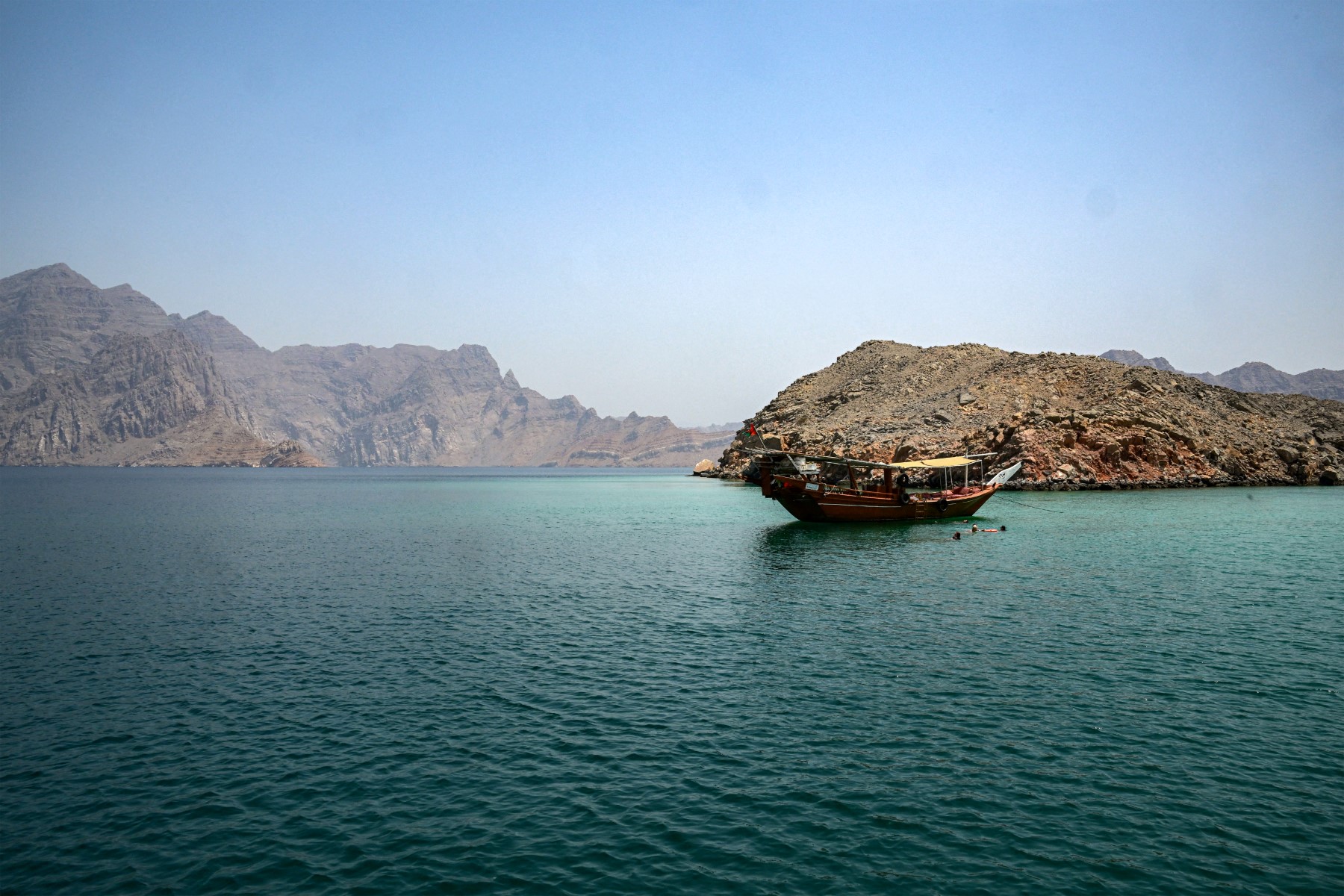
Tehran announced it will permit Japanese vessels to pass through the strategic Strait of Hormuz following recent diplomatic engagement. This decision marks a significant shift from the initial stance of closing the waterway to all non-allied nations. Foreign Minister Abbas Araghchi confirmed the arrangement during an interview with Kyodo News late on Friday. The statement signals a potential thaw in maritime tensions within the Persian Gulf region.
Iranian officials stated clearly that the strait remains open to countries not targeted as enemies by the Islamic Republic. Tokyo expressed deep concern over stranded vessels after direct talks with Tehran earlier in the week regarding their energy security. The Japanese government has since sought specific assurances for its oil tankers navigating the volatile Persian Gulf. Diplomatic channels remain active to finalize transit details safely for all parties.
Japan sources more than 90% of its crude oil imports from the Middle East region which creates high vulnerability. Consequently, the security of this maritime route is critical for maintaining the stability of the East Asian economy. Energy analysts warn that continued disruption could spike global fuel prices significantly affecting inflation rates. This dependency highlights the strategic importance of the Hormuz corridor for Tokyo.
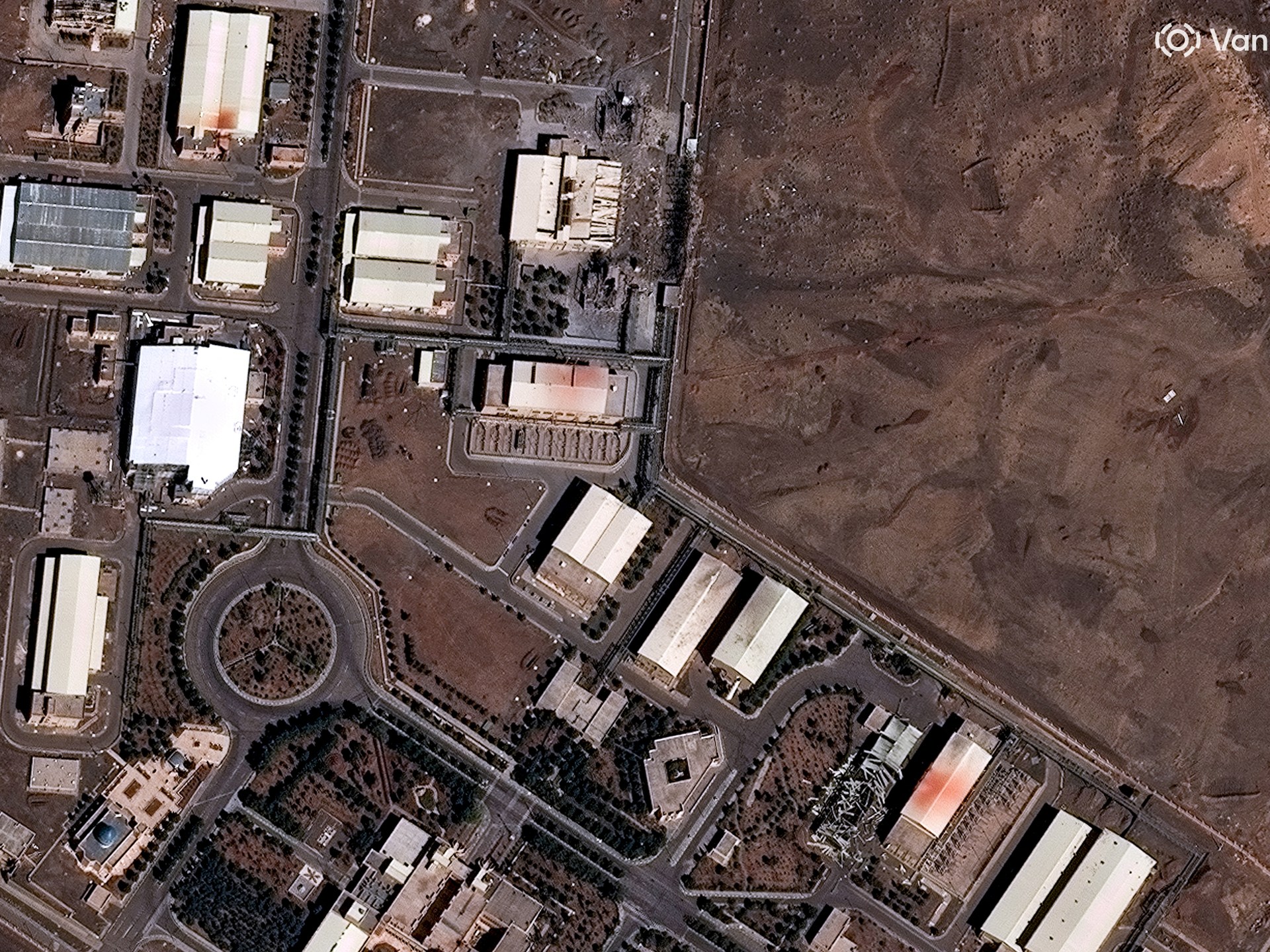
The waterway faced a de facto closure after United States and Israeli forces attacked Iranian targets on February 28. The Islamic Revolutionary Guard Corps initially threatened to set ablaze any transiting ships attempting to bypass the blockade. Marine traffic dropped to a near standstill as the conflict entered its three weeks without resolution. The threat level remains high for commercial operators in the area.
Recent reports indicate a selective blockade strategy rather than a total shutdown of navigation lanes for commercial vessels. Lloyd’s List reported that 10 ships have transited by sailing close to Iran’s coastline to avoid hostile fire. This route appears to function as an emerging safe corridor for commercial vessels under specific conditions. Local maritime authorities are monitoring these movements closely to ensure safety.
A Greek bulk carrier recently passed Larak island while broadcasting a message indicating food cargo for Iran. The IRGC is reportedly developing a coordinated vetting and registration system for future passages through the region. Approval for transit now relies on complex case-by-case negotiations with Tehran authorities. Safety protocols are being refined for each approved shipment to prevent incidents.
Several nations including Iraq, Malaysia, China, and India have held direct talks with Iranian authorities to discuss shipping rights. France, Germany, Italy, the Netherlands, and the United Kingdom issued a joint statement supporting safe passage efforts. These diplomatic moves suggest a broadening coalition seeking to reopen the chokepoint for economic stability. Regional partners are coordinating their positions carefully to avoid escalation.
Japanese Foreign Minister Toshimitsu Motegi discussed the situation during a call with his Iranian counterpart on Tuesday. Tokyo remains focused on ensuring the safety of its merchant fleet in the region amid ongoing military tensions. Further details regarding specific transit protocols are expected to emerge soon from official sources. Communications between ministries continue daily to manage risks.
The situation underscores the fragility of global energy supply chains amidst regional hostilities threatening trade flows. Markets will closely watch whether this selective opening applies to other Western allies dependent on the region. Sustained access remains a priority for major consuming nations reliant on Gulf exports for domestic needs. Future negotiations will determine long-term stability for international shipping.