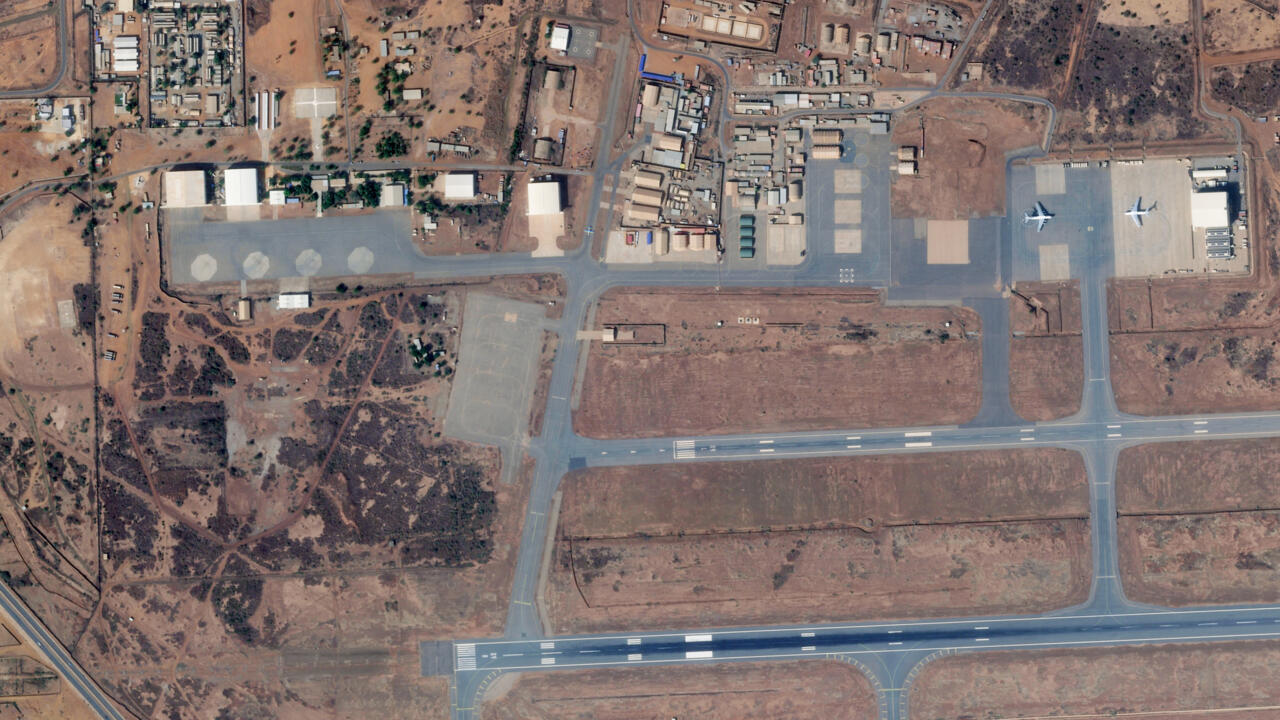
Loud detonations and sustained heavy gunfire were reported near Niamey International Airport in Niger’s capital in the early hours of Thursday. Residents near the Diori Hamani International Airport, which doubles as a key air force base, described scenes of intense activity, with videos circulating online showing aerial light streaks and visible flames.
The precise cause of the disruption and any resulting casualties remain unconfirmed, though local reports indicated that calm had largely returned two hours after the initial outbreak. The presence of fire trucks heading toward the airport area suggests an emergency response was mobilized following the cessation of hostilities.
This security flare-up occurs against a backdrop of escalating regional instability. Niger, like its neighbors Mali and Burkina Faso, faces a sustained threat from Islamist militant groups, a crisis that has been exacerbated since the 2023 military coup led by General Abdourahamane Tiani. The junta has since pivoted away from traditional Western security partners, expelling French and U.S. forces.
Geopolitically, the incident challenges the fledgling security architecture established by the ruling juntas. Niger, Mali, and Burkina Faso have formed the Alliance of Sahel States (AES) and are planning a joint 5,000-strong force to combat jihadists. Such localized instability near the capital casts doubt on the operational readiness and coherence of these nascent regional defense pacts.
Furthermore, the airport serves as a critical logistical hub, hosting the joint counter-jihadist force headquarters and handling sensitive commercial traffic. Reports noted that a significant, yet unspecified, uranium shipment destined for an unknown buyer, which left northern Niger in late November, remains stalled at the airport, adding an economic dimension to the security breach.
Data from NGOs like ACLED indicate the severity of the ongoing conflict, which resulted in nearly 2,000 fatalities due to jihadist violence in Niger during 2025 alone. The continued volatility near the capital threatens investor confidence and the operational capacity of the state apparatus.
One online activist supporting the military rule urged citizens to mobilize in the streets to 'defend the country,' reflecting the high-stakes narrative currently employed by the junta to garner domestic support amid international isolation. The sequence of events highlights the persistent fragility of governance in the Sahel region despite recent strategic realignments.
Source attribution: This report synthesizes information initially reported by AFP and other local accounts.