India's Republic Day Guest List: A Window Into Global Diplomatic Priorities
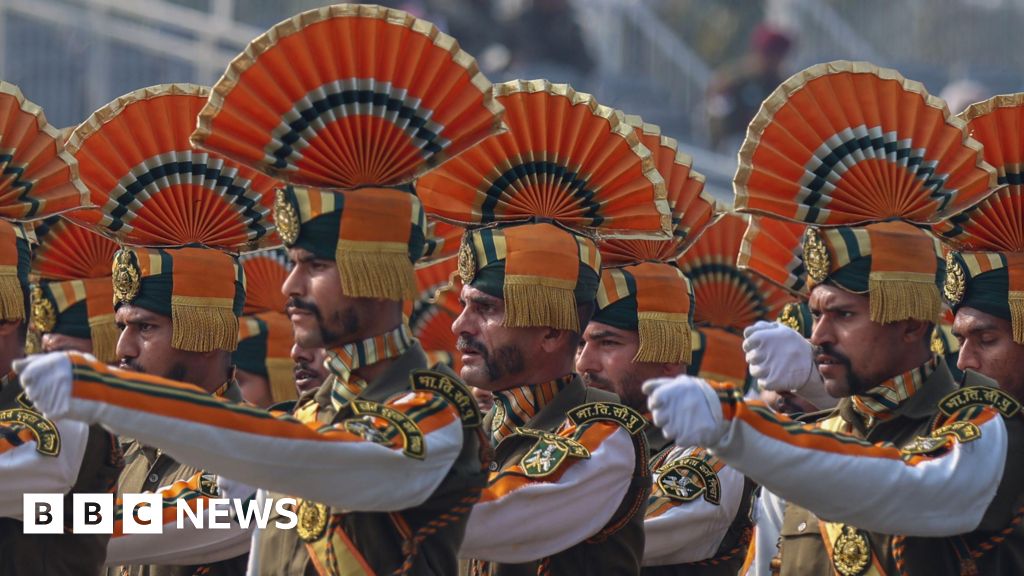
When European Commission President Ursula von der Leyen and European Council President António Costa take their seats at India's Republic Day parade on January 26, they will occupy positions that carry significance far beyond ceremonial protocol. Their presence at the 77th Republic Day celebrations represents India's latest diplomatic signal in an increasingly complex global landscape.The annual Republic Day parade, commemorating India's adoption of its constitution in 1950, has evolved into one of the world's most closely watched diplomatic barometers. Unlike military parades in other capitals that celebrate wartime victories, India's spectacle centers on constitutional democracy while simultaneously projecting military capability and cultural diversity along Delhi's Kartavya Path.The selection of chief guests follows a rigorous process that begins within India's foreign ministry, which prepares shortlists based on strategic objectives, regional balance, and historical precedent. The prime minister's office makes the final decision in a process that can span several months, according to former diplomatic officials."Strategic objectives, regional balance and whether a country has been invited before are all taken into account," explained a former foreign ministry official, speaking on condition of anonymity. The chief guest sits closer to India's president than even senior government officials, underscoring the position's symbolic weight.This year's EU invitation reflects India's calculated pivot toward European partnerships at a critical juncture. Foreign policy analyst Harsh V. Pant suggests the timing may herald significant trade announcements, positioning India and the EU as aligned on current geopolitical challenges. This comes as India navigates strained trade discussions with the United States, where talks have been complicated by 50% tariffs on Indian goods—the highest in Asia—partly linked to India's continued energy purchases from Russia.Historical patterns in guest selection reveal India's evolving global priorities. The tradition began in 1950 with Indonesian President Sukarno, reflecting newly independent India's focus on post-colonial solidarity. The UK has been invited five times, including Queen Elizabeth II, while France and Russia have featured nearly as frequently, highlighting India's long-standing strategic partnerships.Notable absences also speak volumes. Pakistan attended twice before the 1965 war but has not been invited since, reflecting enduring tensions. China's sole appearance was in 1958, four years before the Sino-Indian border conflict that continues to influence bilateral relations.The 2018 invitation to ASEAN leaders marked a diplomatic milestone, being the first time a regional bloc was honored as chief guest, coinciding with 25 years of India-ASEAN engagement. Such precedents suggest this year's EU focus may signal deeper institutional partnerships beyond bilateral relationships.Former Indian ambassador to the US Navtej Sarna emphasized the careful balance required: "It's a balance between important partners, neighbours and major powers," noting that leader availability during the specific timeframe also influences decisions.The Republic Day parade's unique character—blending military displays with cultural tableaux representing India's diverse states—creates lasting impressions on visiting dignitaries. Former officials recall how the Obama administration was particularly struck by the camel-mounted contingents, demonstrating how ceremonial elements can enhance diplomatic relationships.As India positions itself as a bridge between global powers while maintaining strategic autonomy, the choice of EU leaders as this year's chief guests signals a potential recalibration toward multilateral European engagement. This diplomatic chess move comes at a time when India seeks to diversify its partnerships while managing complex relationships with traditional allies and emerging powers alike.Source: BBC News