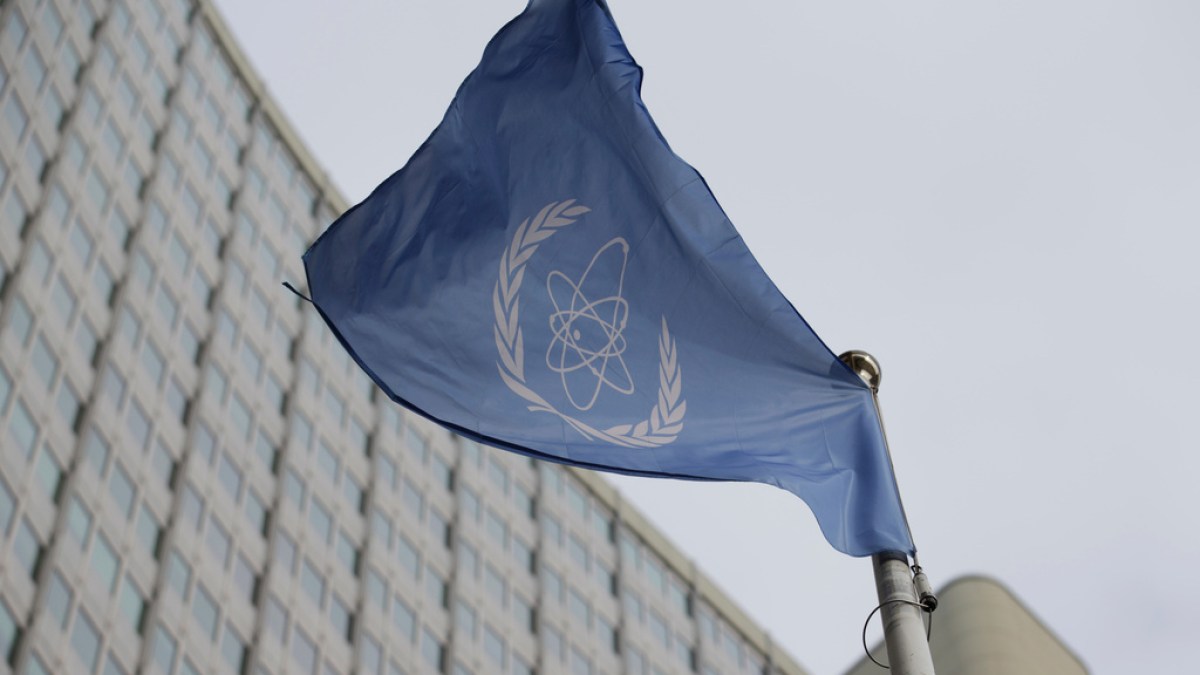
The United Nations nuclear watchdog, the International Atomic Energy Agency (IAEA), convened a special session in Vienna on Friday to discuss the escalating nuclear safety risks stemming from the conflict in Ukraine. IAEA Director-General Rafael Grossi stated at the opening of the extraordinary board meeting that the war currently represents “the world’s biggest threat to nuclear safety.”
This high-level discussion followed recent, significant damage to Ukraine’s energy grid, which is vital for maintaining the cooling systems at nuclear power facilities. Nuclear plants require an uninterrupted external power supply to prevent overheating, even when reactors are shut down, according to agency protocols.
The meeting was called at the request of the Netherlands, supported by at least eleven other nations, aiming to increase international pressure on Moscow regarding infrastructure strikes. The Netherlands’ Ambassador Peter Potman warned the board that recent attacks bring the prospect of a nuclear accident “to the very precipice of becoming a reality.”
Ukraine’s Ambassador, Yuriy Vitrenko, echoed these concerns, asserting it was time for the IAEA to place an “additional spotlight on the threat” posed by Russia’s “systematic and deliberate” targeting of energy infrastructure. This context includes the Zaporizhzhia plant, occupied by Russian forces since 2022, which relies on external power lines for safety functions.
Conversely, Russian Ambassador Mikhail Ulyanov dismissed the necessity of the gathering, characterizing the session as “absolutely politically motivated” with no genuine basis for concern. This diplomatic exchange highlights the deep geopolitical fissures surrounding the management of nuclear security during active hostilities.
Adding complexity, reports indicated a temporary, weeklong moratorium on strikes against energy targets, reportedly requested by US President Donald Trump, was in effect from Thursday night. However, Kremlin spokesman Dmitry Peskov suggested this pause in military action against the grid would conclude by Sunday, raising immediate operational uncertainty.
Simultaneously, an IAEA expert mission is conducting a multi-week inspection of ten electrical substations deemed crucial for securing the operational safety of the nation’s nuclear assets. This technical assessment runs parallel to the diplomatic efforts to de-escalate the immediate physical risks.
The broader implications involve not only the immediate threat to the Zaporizhzhia facility but also the security status of the Chornobyl site, where a drone strike allegedly damaged its protective shield last year. The focus remains on establishing robust, internationally monitored safety protocols amidst ongoing military operations.