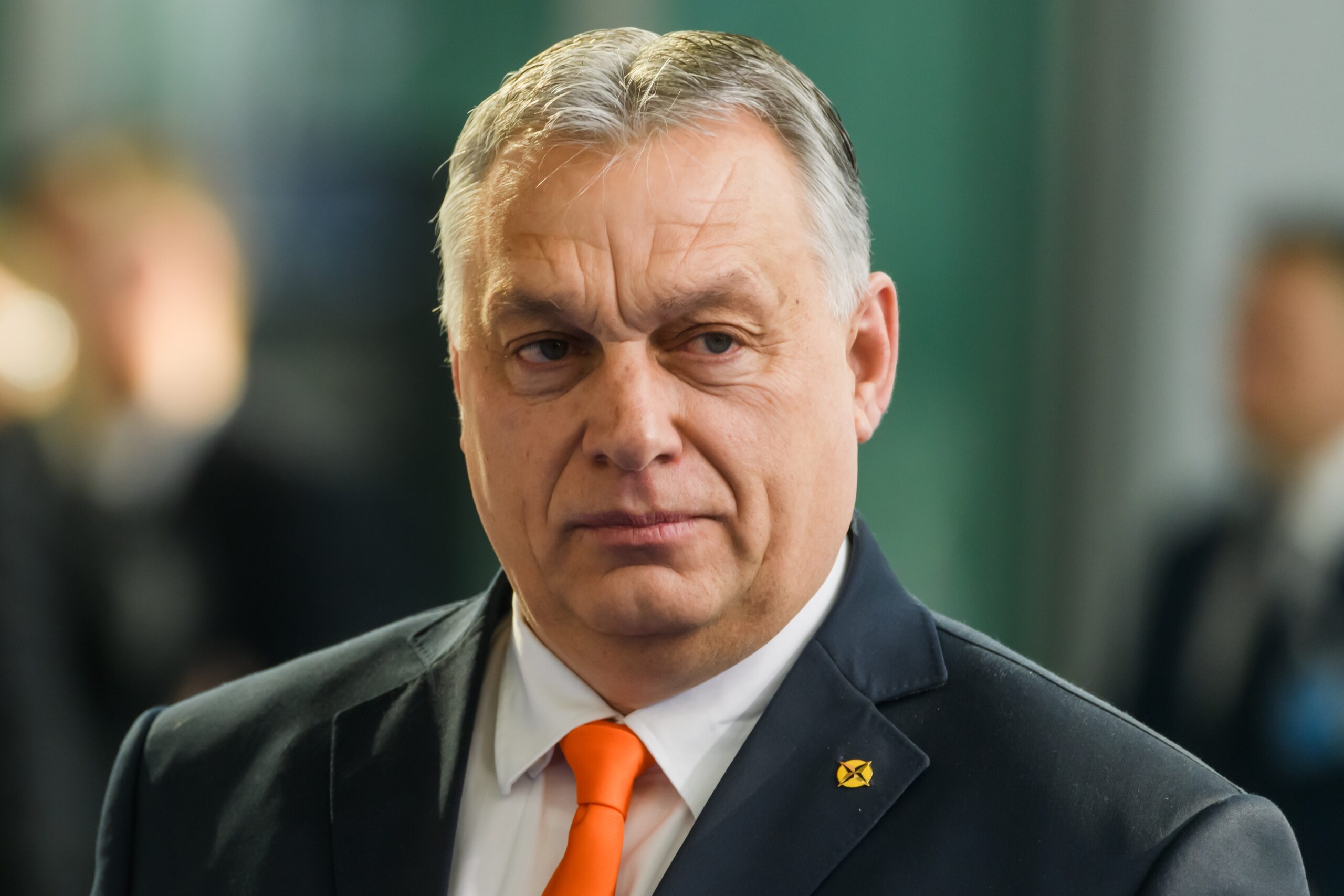
Hungarian Prime Minister Viktor Orban enters Sunday’s parliamentary election facing his most significant political threat in 16 years. Despite trailing in national polls behind Peter Magyar and his centre-right Tisza Party, Orban retains structural advantages built into the country’s electoral framework.
In 2011, Orban’s Fidesz party utilized its two-thirds parliamentary majority to overhaul Hungary’s electoral laws. The reforms reduced the total number of seats and redrew district boundaries, a process critics describe as systematic gerrymandering.
“The aim is to use the results of previous elections to take from Peter to give to Paul,” said Paul Gradvohl, a history professor at Paris 1 Panthéon-Sorbonne University. “In constituencies where Fidesz won by a large margin, less supportive districts have been added.”
The mechanics of the vote
The Hungarian parliament consists of 199 seats. Of these, 106 are decided in single-member districts through a first-past-the-post system, while the remaining 93 are allocated via proportional representation.
This structure heavily favors Fidesz’s entrenched rural support base. By concentrating opposition voters into specific, smaller urban areas, the current map allows the ruling party to secure a disproportionate number of seats even if the national popular vote shifts toward the opposition.
A "winner’s compensation" mechanism further bolsters this advantage. In 2022, this system allowed Fidesz to claim 135 seats—a two-thirds majority—with 54% of the popular vote.
Beyond the ballot design, the playing field remains tilted by state influence. Orban’s government maintains direct or indirect control over the vast majority of Hungary’s media outlets. While independent media outlets struggle to operate, taxpayer-funded campaigns and government-aligned billboards dominate the public discourse.
Fidesz also leverages extensive patronage networks to mobilize voters in the countryside. These networks, managed by party loyalists, provide the ruling party with a logistical advantage that continues to complicate Magyar’s bid to unseat the long-term prime minister.