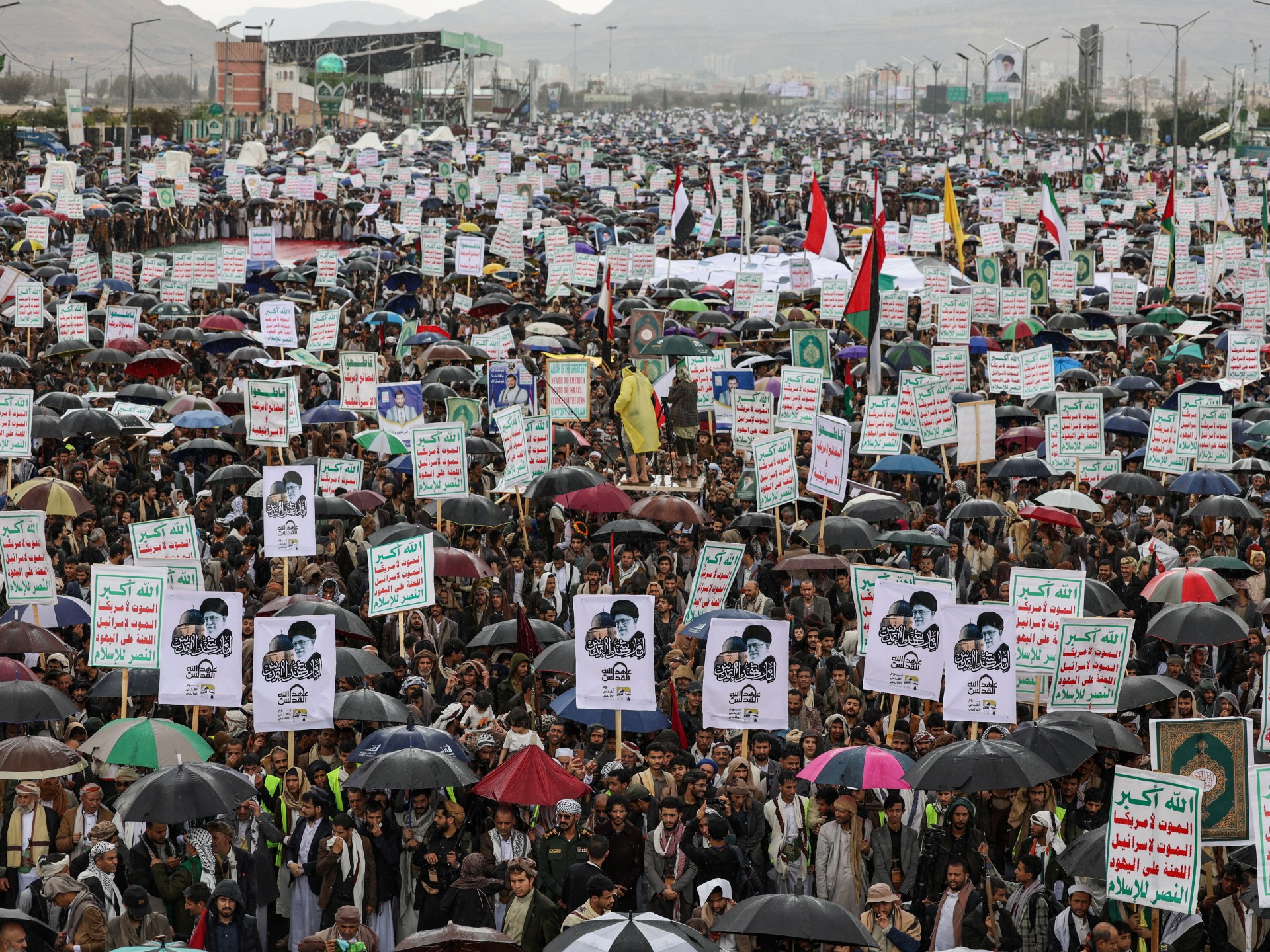
Yemen's Ansar Allah group signals readiness to join Iran in conflict against Israel and the United States. This development marks a potential escalation in the Red Sea region that could destabilize global maritime trade routes significantly. The armed faction stated that all diplomatic and military options remain under active consideration during recent public statements issued in Sanaa.
Analysts from Al Jazeera report that the group considers itself directly involved in the wider regional confrontation involving Tehran. Khaled Batarfi, a political analyst specializing in Saudi foreign policy, noted the shifting dynamics in the Arabian Peninsula recently. He suggested that the Houthis view the current Israeli and American operations as a direct threat to their strategic interests and security.
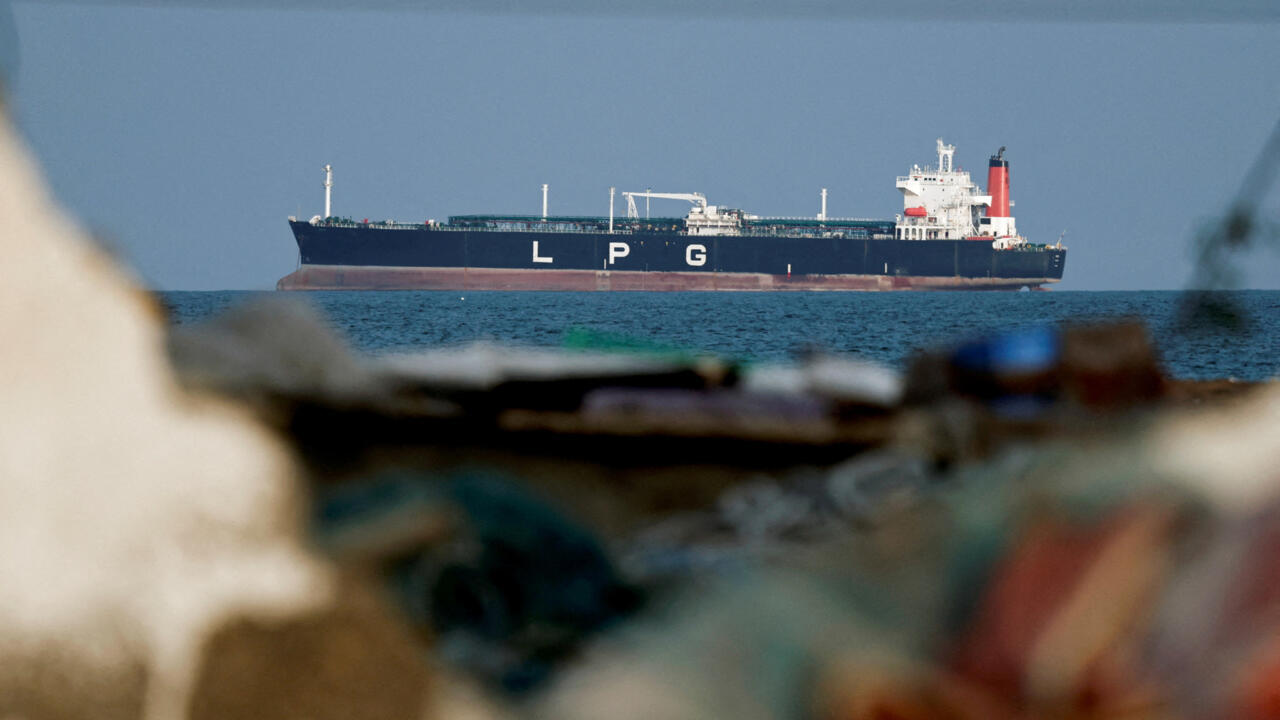
Recent months have seen increased Houthi attacks on commercial vessels navigating the Red Sea to move goods between continents. These actions already disrupted supply chains and raised shipping insurance costs for major logistics companies operating in the area. The group has threatened to target any ship entering the conflict zone or supporting Israeli operations without warning.
If the Strait of Hormuz sees further restrictions, global oil markets could face severe volatility and price spikes. Experts warn that a second front in the Red Sea would compound existing losses in the Persian Gulf significantly. Shipping volumes through the Bab el-Mandeb strait are already hovering at historic lows due to high security concerns.
Farea al-Muslimi, a research fellow at Chatham House, highlighted the strategic risks of a broader coalition forming against Yemen. He explained that integrating Houthi capabilities with Iranian missile systems could alter the balance of power in the area drastically. This alliance would extend the reach of anti-Israeli operations significantly across the Middle East and North Africa.
Rockford Weitz from Tufts University emphasized the economic consequences of such a military escalation on global commerce and trade. He stated that the maritime industry cannot absorb multiple simultaneous blockades without significant financial strain on the sector. Insurance premiums would likely spike beyond current levels, affecting cargo costs for importers and exporters worldwide.
This potential escalation mirrors the initial outbreak of attacks in late 2023 when the Houthis began targeting vessels in the region. Those earlier incidents forced dozens of ships to reroute around the Cape of Good Hope to avoid danger zones. A full-scale integration with Iran would make the situation more predictable than the current sporadic harassment tactics.
The next few weeks will determine whether rhetoric translates into coordinated military action between Tehran and Sanaa. Diplomatic channels remain open but face significant pressure to de-escalate the situation before further damage occurs. Failure to find a resolution could permanently alter the security architecture of the Middle East and global supply chains.