Hamas issued a formal public statement on Saturday urging Iran to cease all attacks on neighboring Gulf states immediately to prevent escalation. The Palestinian group affirmed Tehran’s right to defend itself against Israel and the United States while calling for immediate regional de-escalation to save lives. This diplomatic move aims to prevent the conflict from expanding further into the economically vital Persian Gulf region where oil exports are critical for the global economy following reports of recent strikes.
According to the text of the statement, the organization called upon its brothers in Iran to avoid targeting countries outside their direct conflict zone entirely. The group emphasized that all nations in the region should cooperate to halt ongoing aggression and preserve fraternal bonds between them without exception. Hamas made these remarks publicly even as missile and drone strikes continue to disrupt security across the entire Middle East daily and threaten stability as regional leaders have expressed concern.
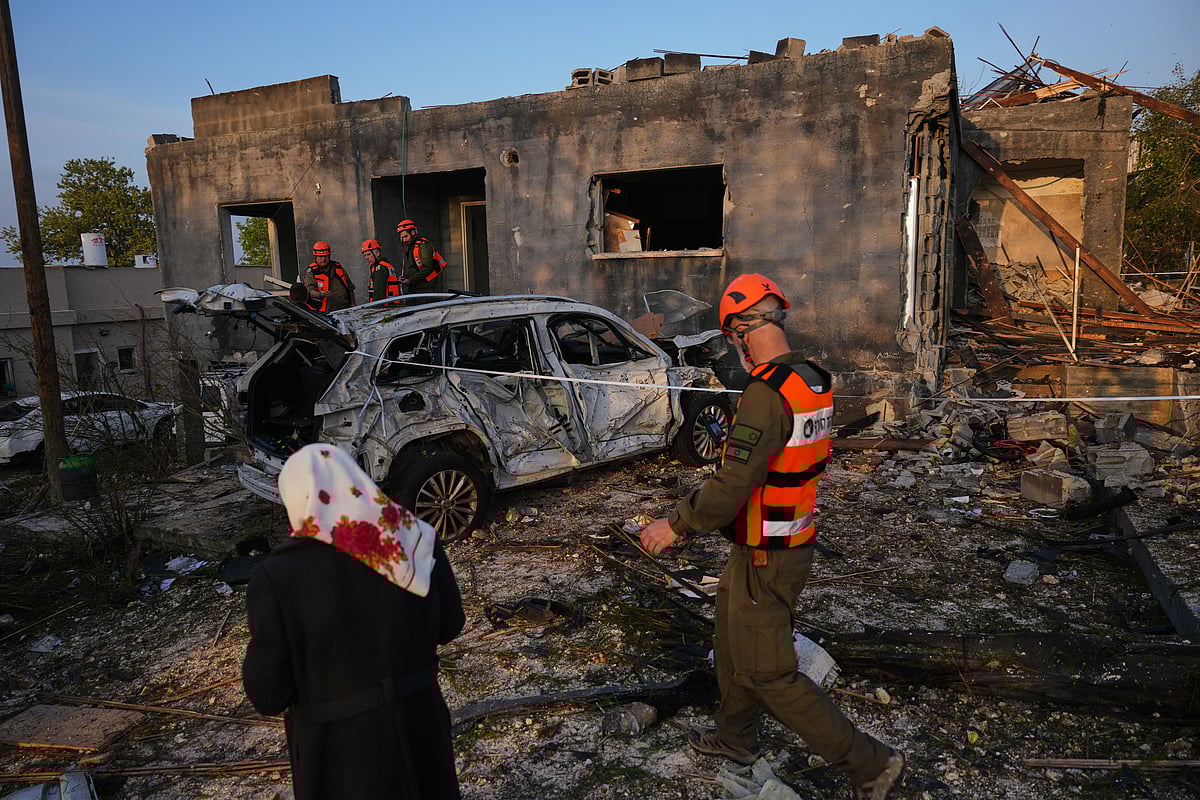
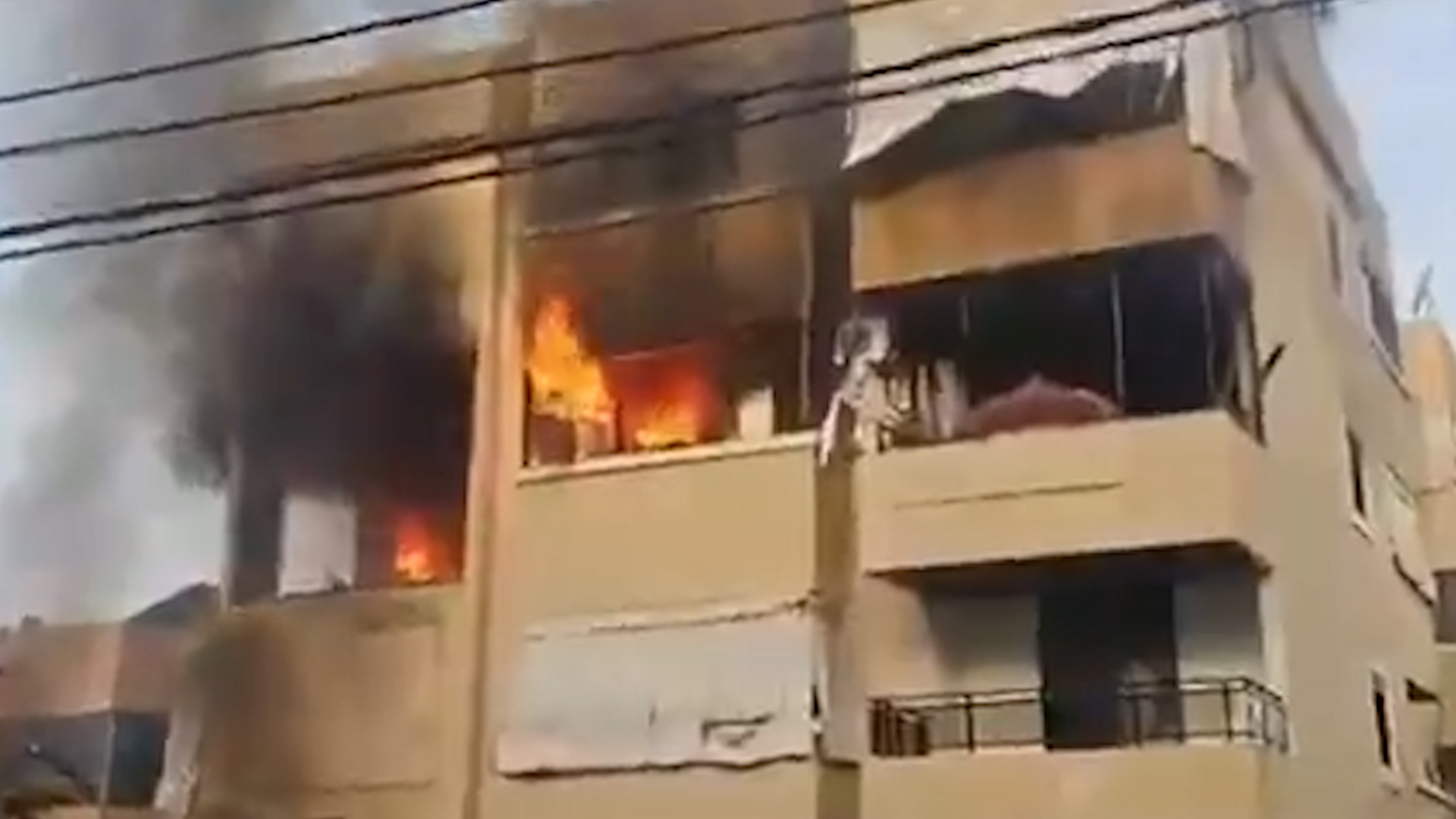
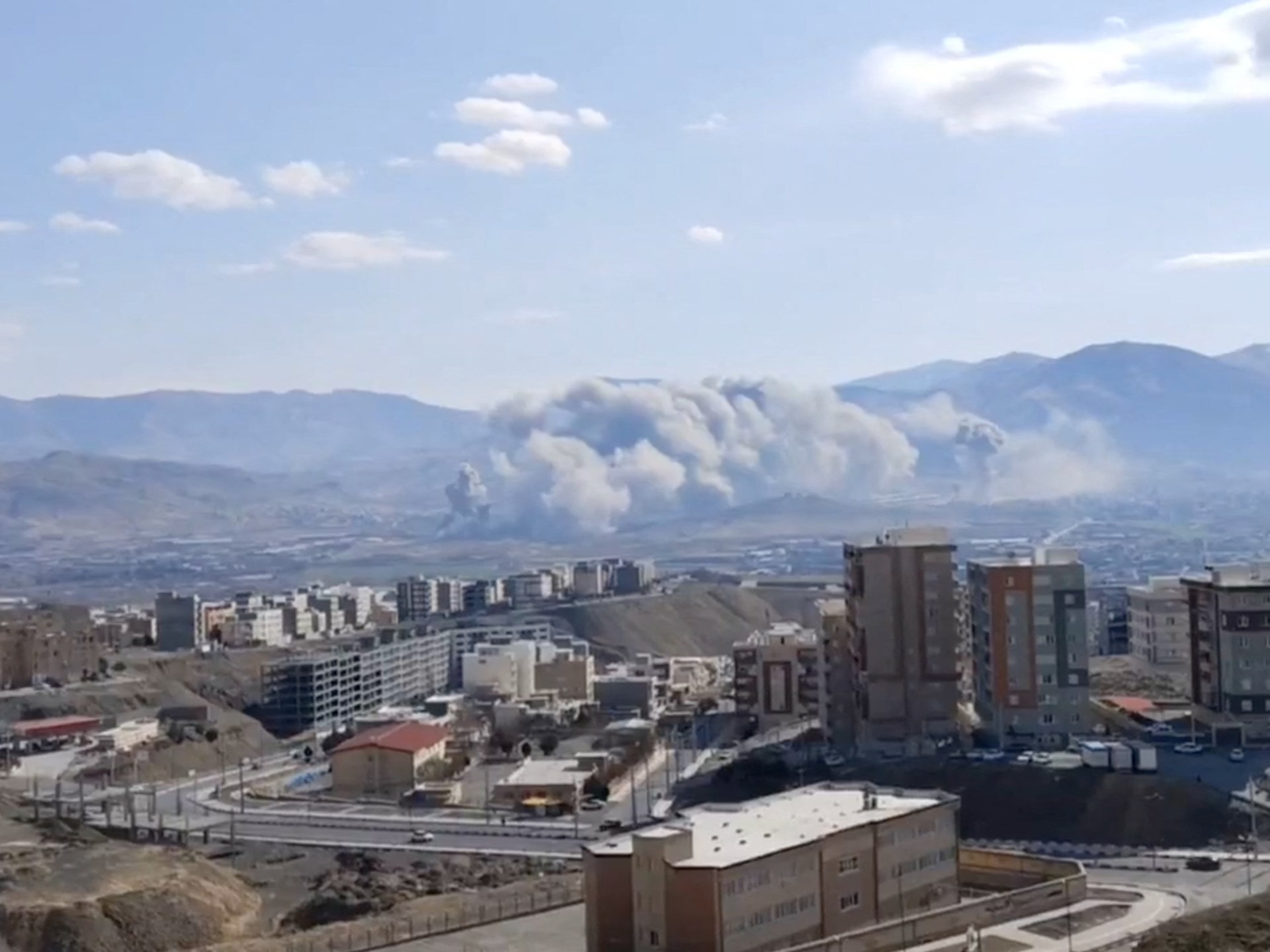
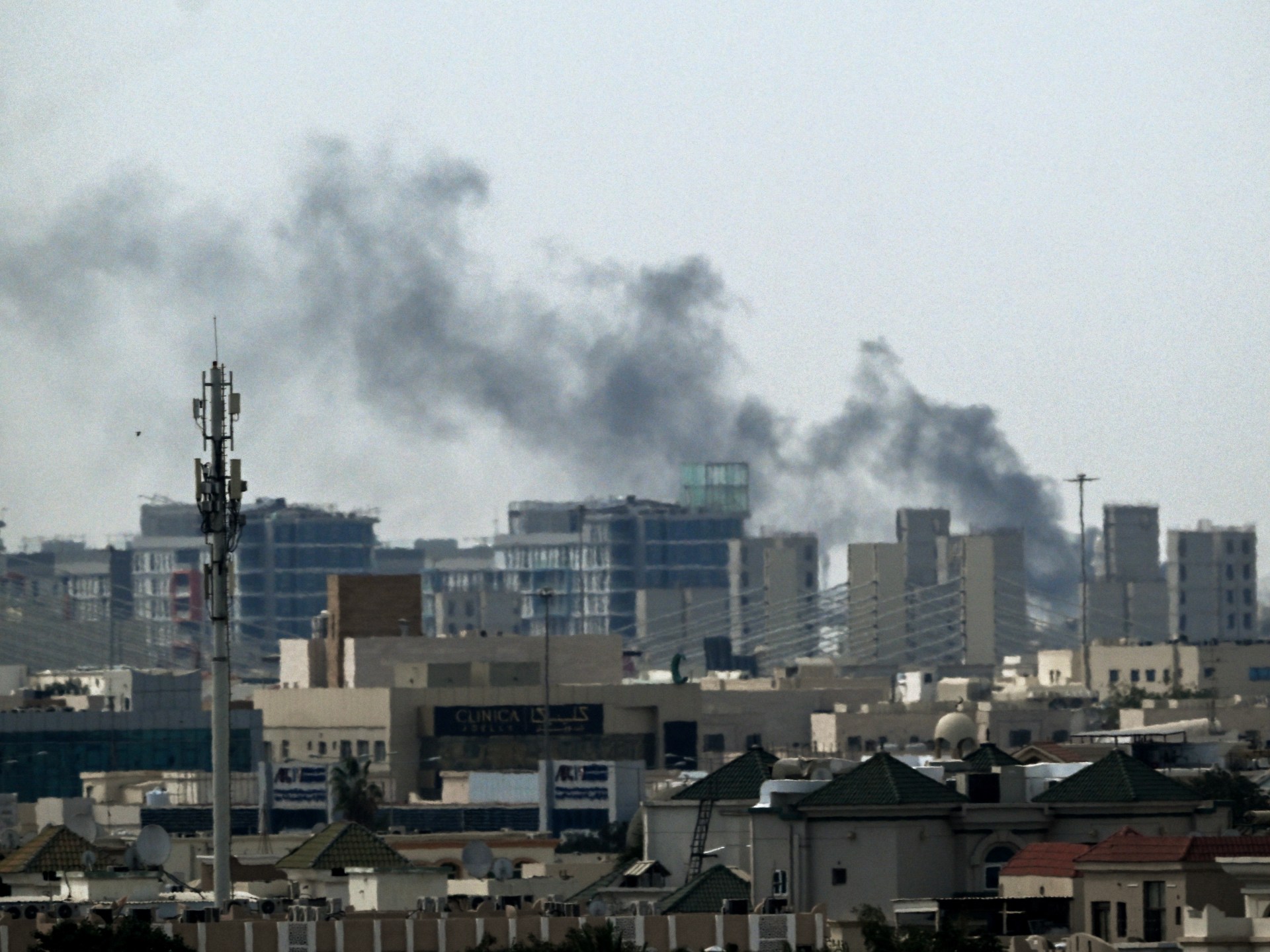
Violence escalated significantly following the official start of the Iran war by the US and Israel on February 28 of this year. Several Gulf states have reported receiving Iranian missile and drone attacks during this specific period of heightened tension and military posturing. The strikes represent a strategic shift in asymmetric warfare tactics used by Tehran against its regional rivals in the Gulf states and threaten trade routes causing damage to infrastructure and civilian areas.
The Palestinian group previously fought back against Israel’s genocidal war on Gaza following its October 7, 2023 attack on southern Israel. Israel razed the besieged and bombarded enclave to the ground, killing more than 72,000 people during the sustained military campaign against civilians. Gulf nations, particularly Qatar, stepped in through mediation, diplomacy, and humanitarian aid throughout the prolonged and devastating conflict to reduce suffering with international condemnation regarding humanitarian access.
Last month, Gulf countries pledged more than $4 billion in combined financial support to US President Donald Trump’s Board of Peace initiative. These pledges were announced during the first meeting of the Board of Peace in Washington, signaling renewed diplomatic engagement with the administration. Qatar and Saudi Arabia each committed $1 billion, while Kuwait pledged $1 billion over the coming years to aid reconstruction efforts in Gaza to support humanitarian recovery and reconstruction.
The United Arab Emirates announced an additional $1.2 billion in support for Gaza through the board on behalf of its citizens and economy. Qatar played a leading role as mediator alongside the US and Egypt throughout the crisis to facilitate negotiations and humanitarian access. A US-backed ceasefire agreement has been in place in Gaza since October 2025 to stop the fighting and allow aid delivery to the population ensuring safe passage for food and medicine.
Despite the ceasefire, Israeli forces have committed hundreds of violations through shelling and gunfire in the enclave frequently and with impunity. These actions killed hundreds of Palestinians while injuring more than 171,000 people since October 2023 according to local health officials and aid groups. The instability complicates the financial efforts made by the Gulf Cooperation Council members to stabilize the region and protect investments undermining trust in international peacekeeping efforts.
Iran has supported Hamas financially and militarily for decades as part of the Axis of Resistance alliance against Western influence. This alliance includes Lebanon’s Hezbollah and Yemen’s Houthis alongside the Palestinian group in a coordinated effort against common adversaries. The relationship is now much-weakened due to the intensified pressure from Western powers and regional isolation tactics employed by the US creating a fragile balance of power in the region.
The ongoing conflict threatens global energy markets and regional trade routes significantly for international investors and corporations operating in the area. Oil shipments through the Strait of Hormuz remain vulnerable to disruption from drone strikes originating from Iran or its proxies in the region. Investors are monitoring the situation closely for potential impacts on global supply chains and oil prices in the coming quarters for major markets potentially leading to inflation in energy sectors.
Future developments depend on whether diplomatic channels can override military objectives in the near future and restore stability to the region. The Board of Peace has gone quiet in the wake of the war, raising questions about its efficacy in the current climate of hostility. Observers will watch for further statements from Tehran and the Gulf Cooperation Council regarding security guarantees and funding commitments as regional powers seek a sustainable political solution.