Gulf states face increasing Iranian drone strikes as the United States and Israel continue their military campaign against Tehran. Riyadh and Doha rely on established military partnerships while publicly insisting their national defenses remain sufficient to repel external threats. Experts question whether international allies can provide meaningful assistance against the ongoing wave of aerial attacks.
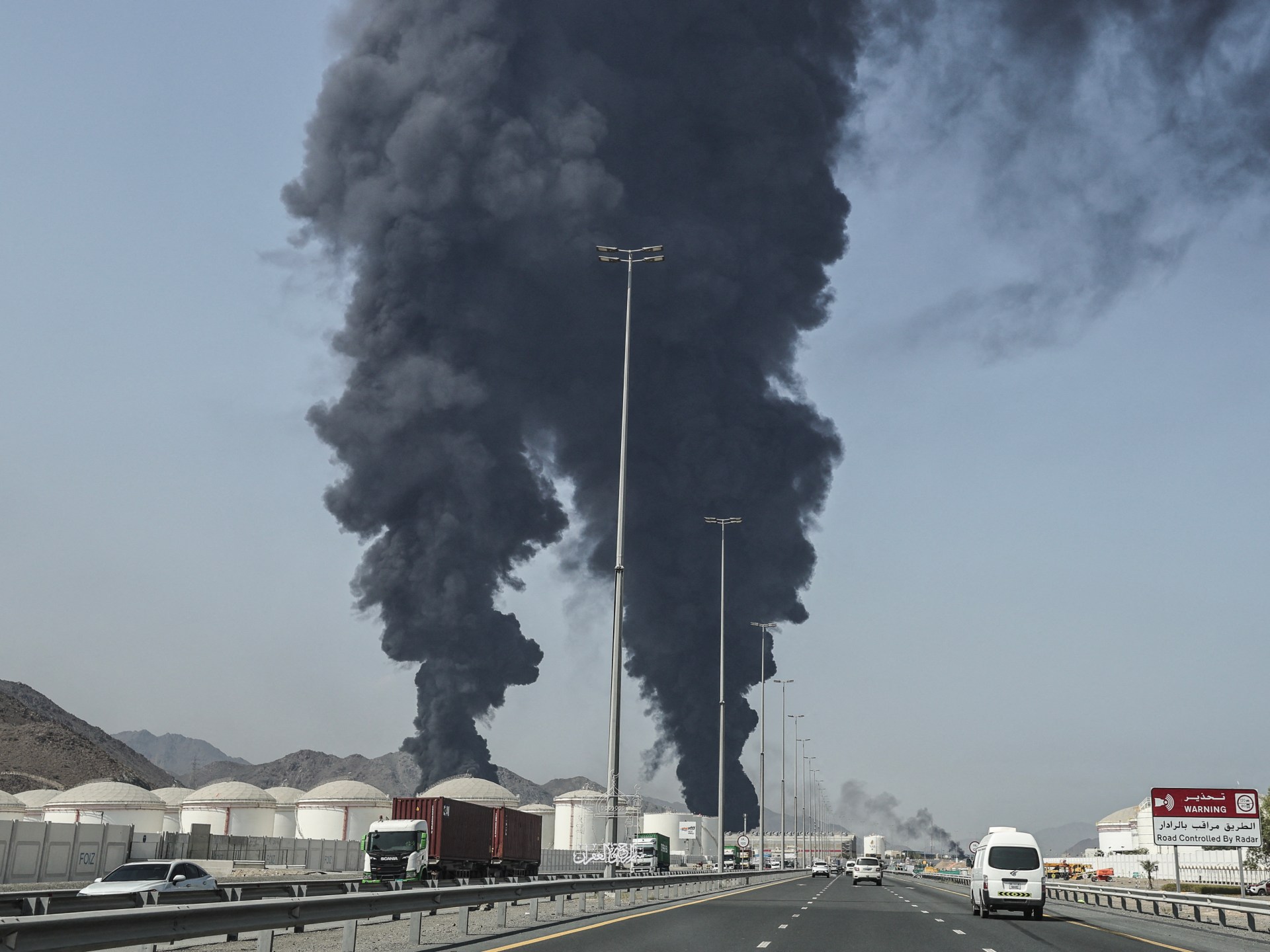
Saudi Arabia successfully intercepted multiple waves of Iranian drones launched from the north this week. Kuwait Petroleum Corporation reported early-morning attacks on the Mina al-Ahmadi refinery facility. Several critical units shut down following the strikes, causing immediate disruption to regional energy output.
Qatar hosts the largest United States military base in the entire region at Al Udeid. The facility serves as the forward headquarters for United States Central Command operations across a vast swath of territory. Washington reaffirmed support following Israeli strikes on the Doha residential area earlier this month.
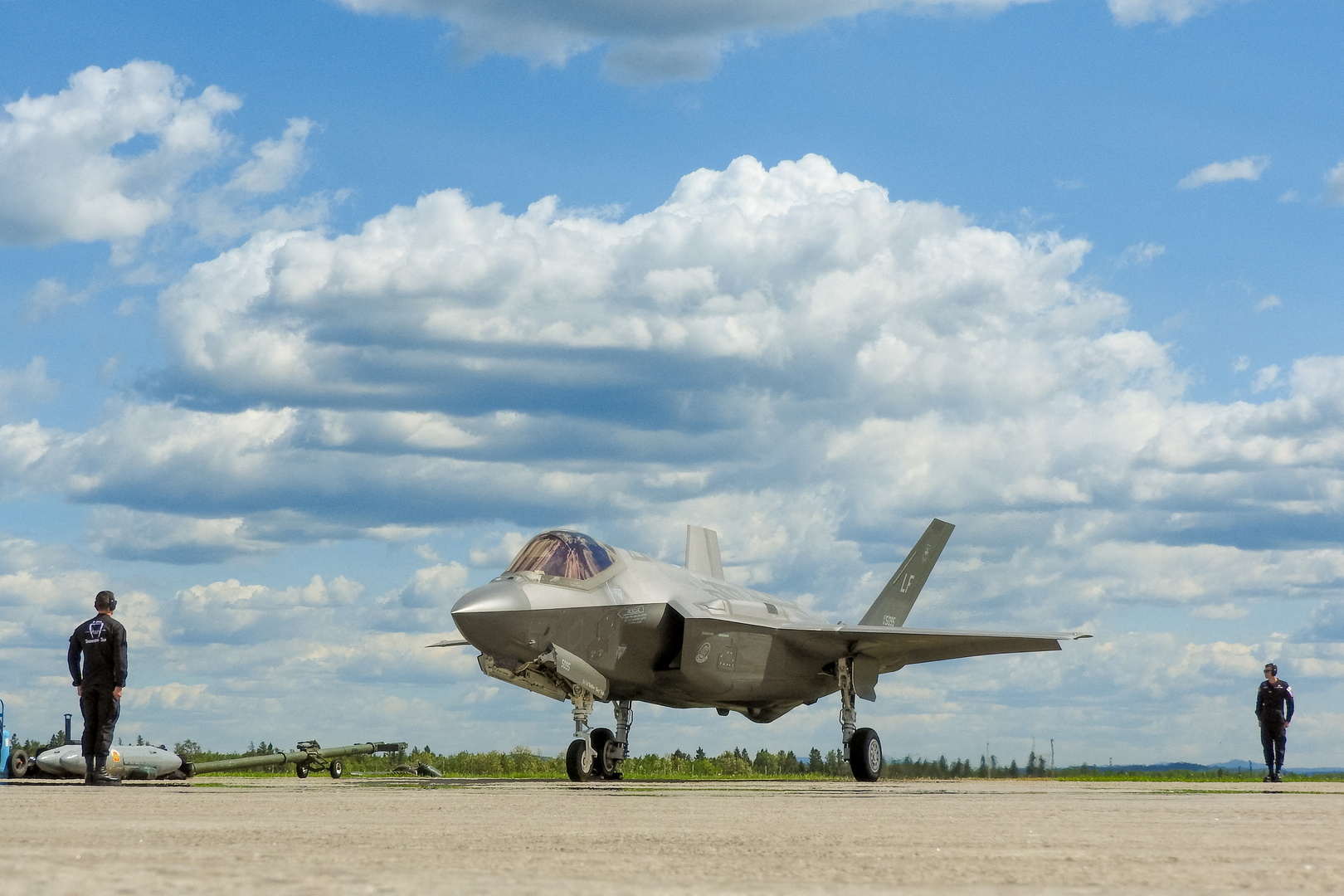
Prime Minister Keir Starmer pledged four additional Typhoon fighter jets to Qatar to bolster air defenses. The United Kingdom also granted United States requests to use British bases for defensive strikes on Iranian capabilities. London maintains it will not send troops or become directly involved in the ongoing war.
Saudi Arabia and Pakistan signed a formal mutual defense pact in September 2025 to secure regional stability. Islamabad sent an estimated 1,500 troops to the kingdom to bolster security against potential invasion. Foreign Minister Ishaq Dar warned Tehran to respect the agreement during his diplomatic talks.
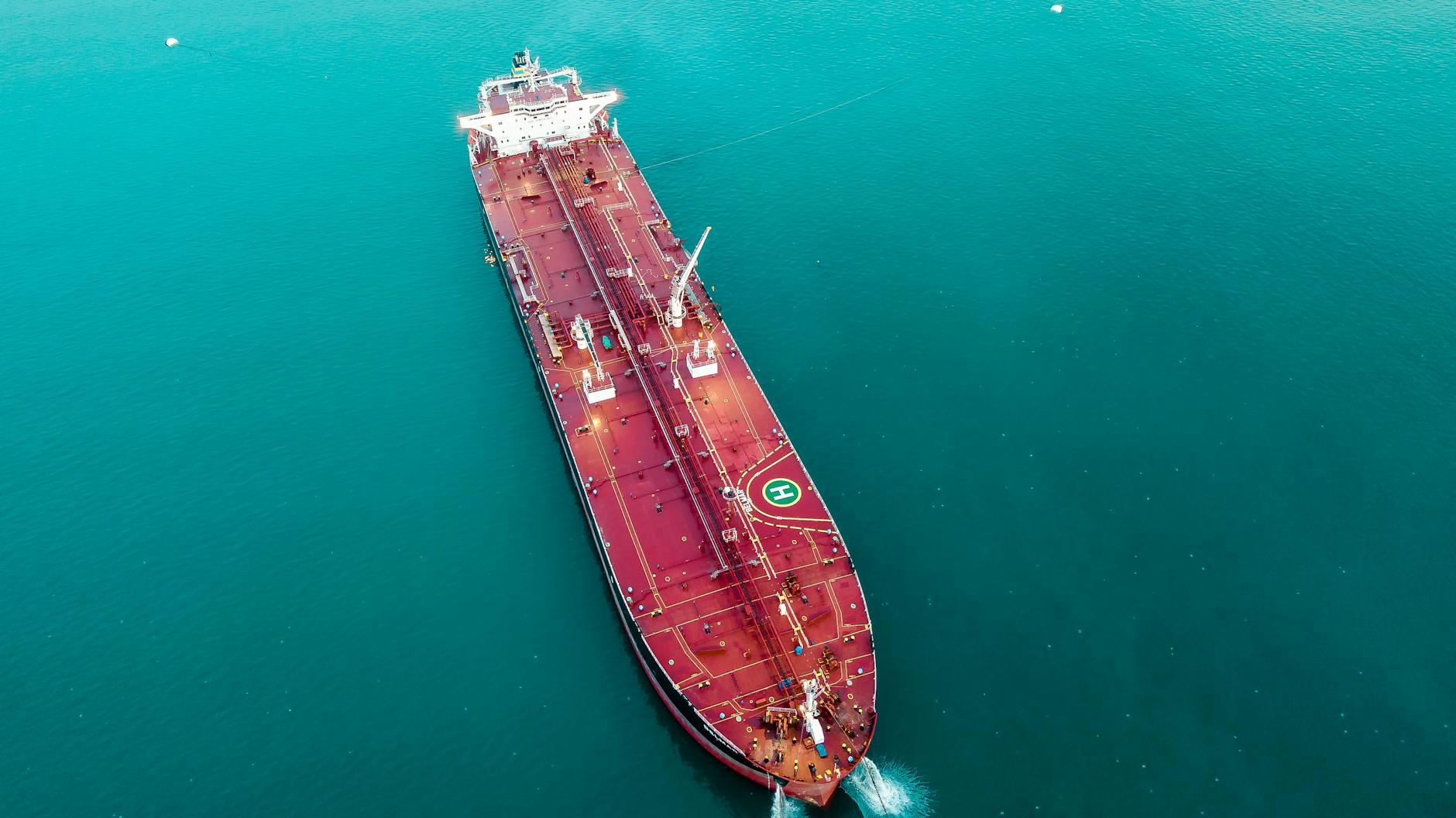
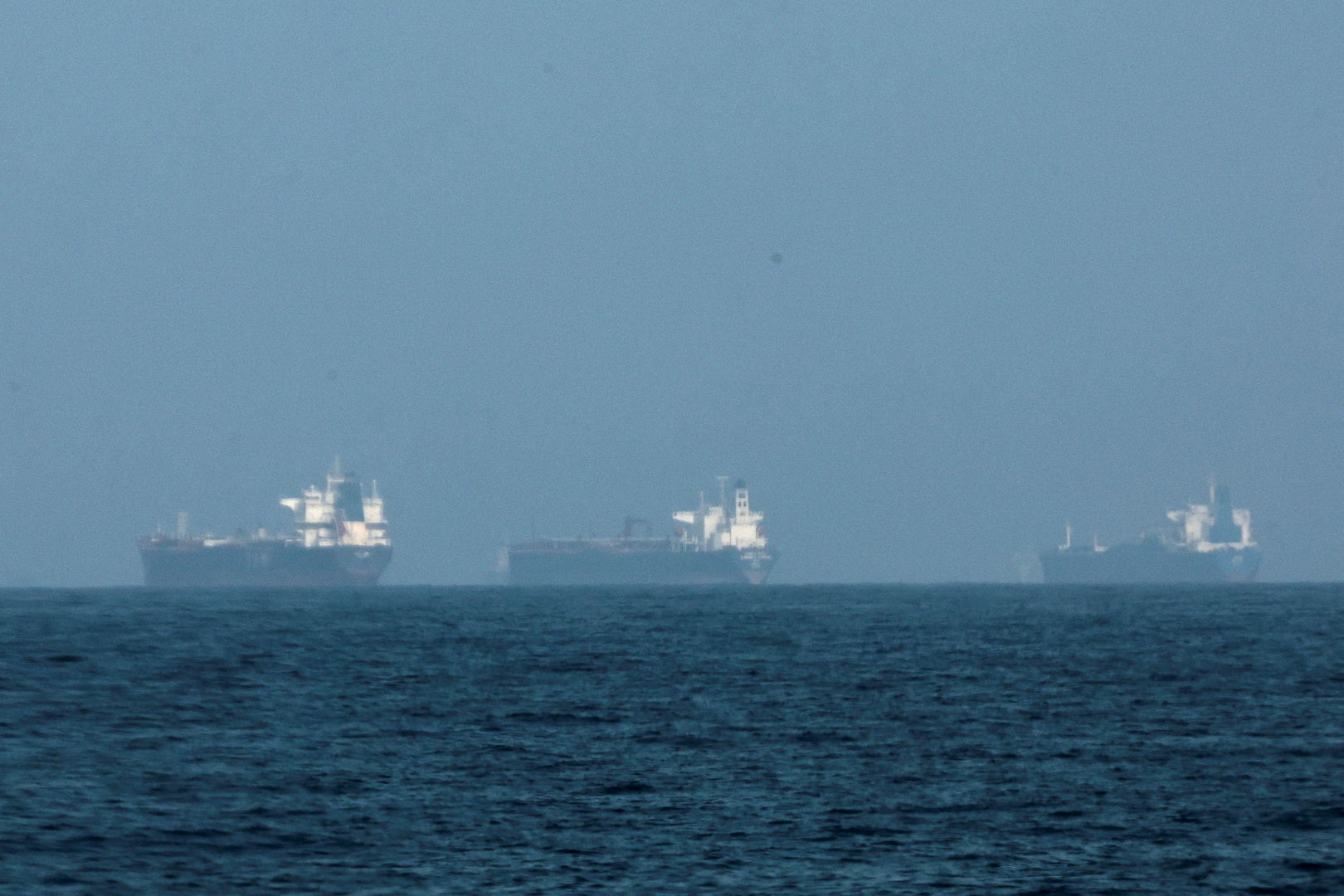
Oil prices surpassed $100 a barrel following threats to close the Strait of Hormuz to international shipping. 20% of global oil and gas supplies transit through this critical waterway during peacetime. European leaders call for an end to attacks on energy facilities to prevent further market volatility.
David Roberts from Kings College London suggests naval escorts could secure shipping lanes for neutral vessels. However, he noted that munitions stocks remain tight across all participating nations facing current threats. Iran remains reluctant to concede pressure points regarding maritime passage in the Gulf.
Gulf countries continue to scramble for safe passage negotiations with Tehran to protect their assets. Uncertainty remains regarding what specific support allies can actually deliver in the next phase. The situation could further disrupt global energy markets in the coming weeks.